Bodyweight Strength Exercises Guide for Beginners
Understanding Bodyweight Training
Bodyweight training uses your own weight as resistance to strengthen muscles. It focuses on natural movement patterns like pushing, pulling, squatting, and balancing. This makes it ideal for anyone looking to improve overall fitness at home.
Unlike heavy gym machines, body weight training for beginners emphasizes control and proper form. This reduces the risk of injury while helping you build a solid fitness foundation.
One of the biggest advantages is flexibility. You can perform a full body weight routine anywhere—your living room, a park, or even a small space at home. It’s convenient, adaptable, and beginner-friendly.
Benefits of Bodyweight Exercises
Here are a few reasons why many people prefer bodyweight workouts:
- No equipment required
- Improves strength and mobility
- Supports better balance and coordination
- Easy to modify for different fitness levels
- Suitable for full body weight training at home
Consistency matters more than intensity when you’re starting. Even short sessions can lead to noticeable improvements over time.
Types of Bodyweight Workouts
To build a balanced fitness routine, it’s important to include both upper and lower body movements. This ensures your entire body gets stronger together.
Lower Body Weight Workout
A lower body weight workout focuses on muscles like the thighs, glutes, and calves. These exercises help improve posture, stability, and everyday movement.
Common body weight leg workouts include:
- Squats
- Lunges
- Glute bridges
- Step-ups
- Wall sits
These movements are functional. That means they mimic daily actions like sitting, standing, and walking.
Simple Beginner Routine for Legs
You can try this basic structure:
| Exercise | Repetitions | Sets |
|---|---|---|
| Squats | 10–12 | 2–3 |
| Lunges | 8–10 each leg | 2–3 |
| Glute Bridges | 12–15 | 2–3 |
| Wall Sit | 20–30 seconds | 2–3 |
Start slow and focus on form. As your strength improves, you can increase repetitions or sets.
Upper Body Weight Training
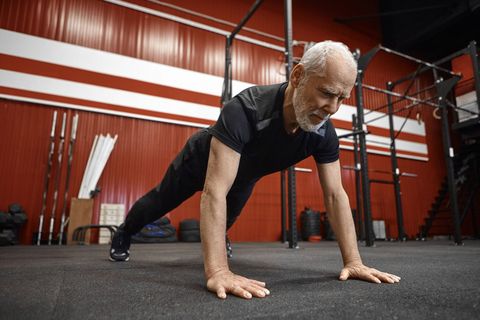
Upper body weight training targets your chest, shoulders, arms, and back. These exercises improve pushing and pulling strength.
Popular exercises include:
- Push-ups
- Incline push-ups
- Plank shoulder taps
- Triceps dips (using a chair)
- Superman holds
These movements help build stability in your upper body while also engaging your core.
Beginner Upper Body Flow
A simple routine could look like this:
- Push-ups: 8–10 reps
- Incline push-ups: 10–12 reps
- Plank shoulder taps: 10 each side
- Superman hold: 15–20 seconds
Repeat for 2–3 rounds depending on your comfort level.
Full Body Weight Training Routine
A full body weight training routine combines both upper and lower exercises in one session. This approach is efficient and ideal for busy schedules.
It also helps improve endurance, coordination, and overall strength.
Sample Full Body Routine
Here’s a balanced routine you can try:
| Exercise | Reps/Time | Focus Area |
|---|---|---|
| Squats | 12 reps | Lower body |
| Push-ups | 10 reps | Upper body |
| Plank | 20–30 seconds | Core |
| Lunges | 10 each leg | Lower body |
| Superman hold | 20 seconds | Back & core |
This type of full body weight training at home can be completed in 20–30 minutes.
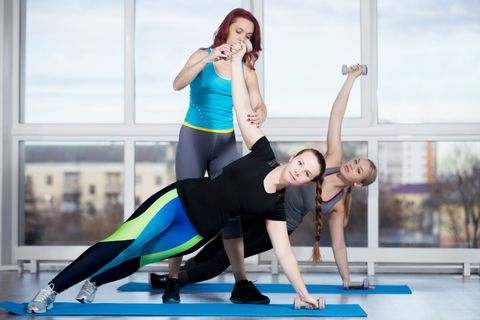
If you want to add variety, you can include light weights. A full body weight training with dumbbells approach can slightly increase resistance while maintaining the same structure.
How to Start as a Beginner
Starting a new workout routine doesn’t have to feel overwhelming. With the right approach, beginner body weight training becomes simple and enjoyable.
Focus on Proper Form
Good form is more important than doing many repetitions. It ensures you’re targeting the right muscles and avoiding unnecessary strain.
Move slowly and stay controlled. If something feels uncomfortable, pause and adjust your posture.
Build a Routine Gradually
You don’t need to train every day. Begin with 2–3 sessions per week. This gives your body time to recover and adapt.
A simple weekly plan could look like:
- Day 1: Full body weight routine
- Day 2: Rest or light stretching
- Day 3: Lower body weight workout
- Day 4: Rest
- Day 5: Upper body weight training
Consistency is key. Over time, your endurance and strength will naturally improve.
Listen to Your Body
It’s normal to feel mild soreness when starting. However, sharp pain or discomfort should not be ignored.
Take rest days seriously. Recovery is an essential part of any fitness journey.
Tips for Better Results
Improving your bodyweight training experience doesn’t require drastic changes. Small adjustments can make a big difference.
Stay Consistent
Regular workouts, even short ones, are more effective than occasional intense sessions. Try to stick to your schedule.
Add Variety
Repeating the same exercises can become boring. Mix different movements to keep things interesting and challenge your muscles in new ways.
Track Your Progress
Keep a simple record of your workouts. Note the number of repetitions, sets, or time spent. This helps you see improvement over time.
Combine with Healthy Habits
Exercise works best when paired with a balanced lifestyle. Stay hydrated, eat nourishing foods, and get enough rest.
Keep It Realistic
Avoid setting unrealistic expectations. Progress takes time. Focus on gradual improvement instead of quick results.
Common Mistakes to Avoid
Even simple workouts can become less effective if done incorrectly. Here are a few mistakes to watch out for:
- Skipping warm-ups
- Rushing through exercises
- Ignoring rest and recovery
- Doing too much too soon
- Neglecting proper posture
By avoiding these, your body weight training exercise routine will remain safe and effective.
Conclusion
Bodyweight strength training is a practical and effective way to improve fitness without needing complex equipment. It offers flexibility, convenience, and adaptability for all levels.
Whether you focus on body weight leg workouts, upper body weight training, or a full body weight routine, the key is consistency. Start small, stay patient, and build gradually.
Over time, your strength, balance, and confidence will grow. A well-structured full body weight training routine can easily fit into your daily life and support long-term health.