Bodyweight Strength Training Program: Complete Guide for Beginners and Beyond
In today’s fast-paced lifestyle, people are looking for simple and flexible fitness solutions. That’s where bodyweight training stands out. It’s beginner-friendly, adaptable to different fitness levels, and can deliver impressive results when done correctly. From improving muscle tone to boosting endurance, this method fits almost any goal.
What is Bodyweight Strength Training Program
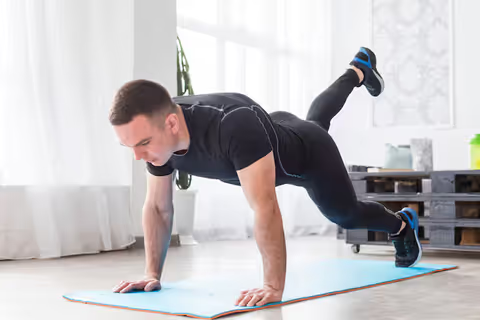
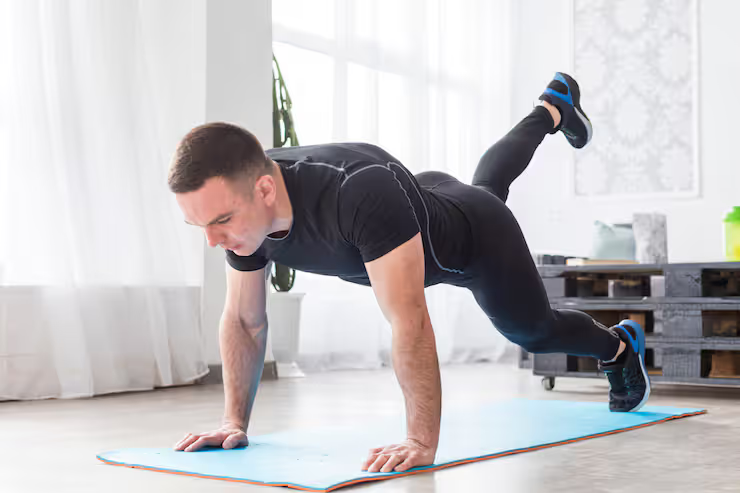
A bodyweight strength training program is a structured workout routine that uses your body as resistance instead of external weights like dumbbells or machines. Exercises such as push-ups, squats, lunges, and planks are the foundation of this training style. These movements target multiple muscle groups and help build functional strength.
Unlike traditional gym-based routines, this program focuses on natural movement patterns. It improves balance, flexibility, and coordination while strengthening muscles. Because of its simplicity, it’s widely used by beginners as well as advanced athletes who want to enhance their core strength and mobility.
How Bodyweight Strength Training Program Works
A bodyweight strength training program works by progressively challenging your muscles through controlled movements, repetitions, and variations of exercises, increasing intensity over time by adjusting angles, tempo, or volume to stimulate muscle growth, endurance, and overall strength without relying on external weights.
Key Benefits of Bodyweight Strength Training Program
A well-structured bodyweight strength training program offers a wide range of benefits for both beginners and experienced individuals. It’s not just about building strength—it’s about improving overall fitness and long-term health.
- Improves functional strength for daily activities
- Enhances flexibility and joint mobility
- Supports better balance and coordination
- Reduces risk of injuries by strengthening stabilizer muscles
- Suitable for all fitness levels with easy modifications
- Saves time with efficient full-body workouts
- Encourages consistency due to minimal setup
Practical Examples or Use Cases
Here are some real-world applications of a bodyweight strength training program:
| Category | Function | Example Use Case |
|---|---|---|
| Beginner Fitness | Build basic strength | Starting with squats, push-ups, and planks at home |
| Weight Management | Burn calories and maintain fitness | Daily 20-minute bodyweight circuits |
| Athletic Training | Improve performance | Athletes using plyometric push-ups and jump squats |
| Rehabilitation | Restore strength safely | Controlled bodyweight exercises for recovery |
| Busy Lifestyle | Quick workouts anywhere | Office or travel-friendly routines |
Tips or Best Practices
- Focus on proper form before increasing repetitions
- Start with basic exercises and gradually progress
- Maintain consistency rather than doing intense workouts occasionally
- Combine strength exercises with stretching for better results
Common Mistakes to Avoid
Many beginners make the mistake of rushing through exercises without paying attention to proper form, which can lead to ineffective workouts or even injuries. Another common issue is not progressing the difficulty level over time, causing a plateau in results. Some people also neglect rest and recovery, thinking more workouts always mean better results, while others skip warm-ups and cool-downs, increasing the risk of strain and fatigue.
Future Trends or Insights
As fitness continues to evolve, the popularity of bodyweight training is growing rapidly due to its accessibility and effectiveness. More people are shifting toward sustainable and flexible workout routines that fit into daily life.
- Rise of home-based fitness routines
- Increased use of digital workout platforms and apps
- Integration with mobility and flexibility training
- Focus on functional fitness over traditional gym workouts
- Personalized bodyweight programs based on individual goals
Frequently Asked Questions (FAQ)
1. Is a bodyweight strength training program effective for building muscle?
Yes, it can build muscle effectively, especially when exercises are progressed with variations and increased intensity.
2. How often should I follow a bodyweight strength training program?
Most people benefit from 3–5 sessions per week, depending on their fitness level and recovery time.
3. Can beginners start a bodyweight strength training program?
Absolutely. It is one of the safest and easiest ways for beginners to start building strength.
4. Do I need any equipment for bodyweight training?
No, but optional tools like resistance bands or pull-up bars can add variety.
5. How long does it take to see results?
With consistency, noticeable improvements can appear within a few weeks.
Conclusion
A bodyweight strength training program is a powerful and practical way to improve your fitness without relying on complex setups. It offers flexibility, efficiency, and long-term sustainability, making it ideal for people of all fitness levels. By focusing on proper form, consistency, and gradual progression, you can achieve meaningful results over time.
As fitness trends continue to move toward simplicity and accessibility, bodyweight training is becoming more relevant than ever. It empowers individuals to take control of their health in a convenient and effective way, making it a valuable approach for both present and future fitness goals.