Daily Stretching Routine: Simple Guide to Improve Flexibility and Wellness
Whether you are a beginner or someone already involved in fitness, a daily stretching routine can fit into any schedule. It doesn’t require special equipment or complicated techniques. With consistent practice, stretching helps improve flexibility, reduce muscle tension, and support overall physical and mental well-being.
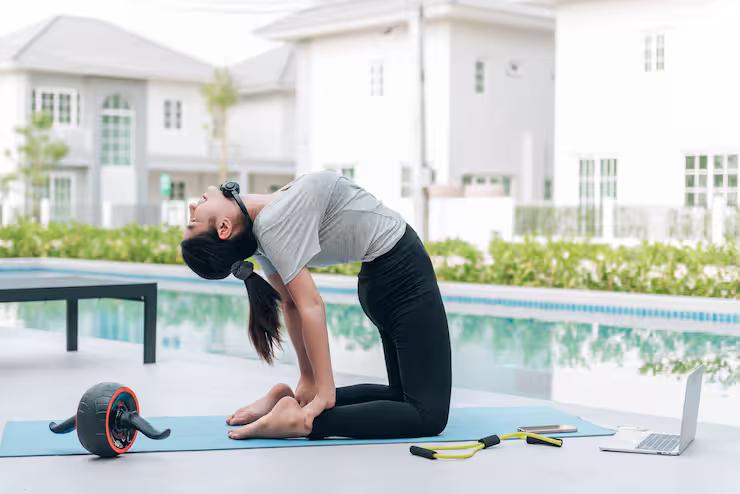
What is Daily Stretching Routine
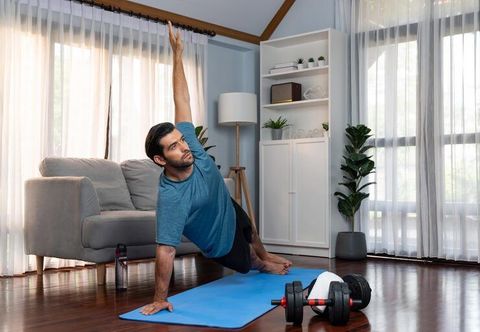
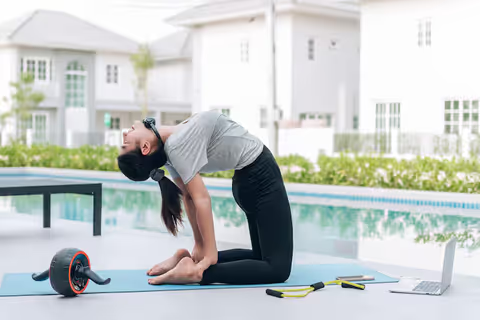
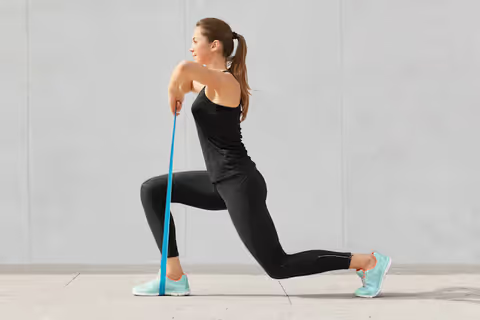
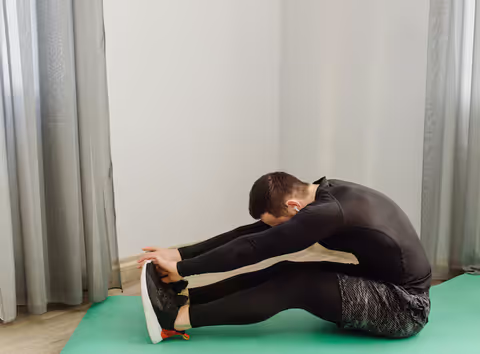
A daily stretching routine refers to a set of simple movements that gently lengthen your muscles and improve joint mobility. These stretches are performed regularly, usually once or twice a day, to maintain flexibility and reduce stiffness in the body. It can include a mix of static stretches, where you hold a position, and dynamic stretches, which involve controlled movements.
This routine is not limited to athletes or fitness enthusiasts. Anyone can benefit from it, regardless of age or fitness level. The goal is to keep your muscles flexible, improve posture, and support better body movement. Over time, a daily stretching routine becomes a healthy habit that contributes to long-term physical comfort and balance.
How Daily Stretching Routine Works
A daily stretching routine works by gently extending your muscles beyond their usual length, which improves elasticity and reduces tightness. When you stretch regularly, your muscles adapt and become more flexible, allowing better movement and reducing the risk of strain or injury. It also increases blood flow to the muscles, which supports recovery, reduces soreness, and promotes overall relaxation.
Key Benefits of Daily Stretching Routine
A consistent daily stretching routine offers several physical and mental benefits that improve your quality of life. Here are some key advantages:
- Improves flexibility and range of motion
- Reduces muscle stiffness and tension
- Enhances posture and body alignment
- Supports better blood circulation
- Helps prevent minor injuries and discomfort
- Promotes relaxation and reduces stress
- Boosts energy levels throughout the day
Practical Examples or Use Cases
Below is a table showing how a daily stretching routine can be applied in real-life situations:
| Category | Function | Example Use Case |
|---|---|---|
| Morning Routine | Wake up muscles | Light stretches after waking up |
| Office Lifestyle | Reduce stiffness | Stretching during work breaks |
| Fitness Warm-Up | Prepare the body | Dynamic stretches before workouts |
| Post-Workout | Aid recovery | Static stretches after exercise |
| Evening Relaxation | Release tension | Gentle stretches before bedtime |
Tips or Best Practices
- Start slowly and avoid forcing your body into difficult positions
- Maintain steady breathing while stretching
- Hold each stretch for at least 15–30 seconds
- Stay consistent by practicing your routine daily
Common Mistakes to Avoid
Many beginners make the mistake of rushing through stretches or pushing their body too hard, which can lead to discomfort or minor injuries. Another common issue is skipping consistency, as stretching occasionally does not deliver lasting results. Poor posture during stretching and holding your breath can also reduce effectiveness. To get the best results from a daily stretching routine, it is important to move gently, stay relaxed, and maintain proper form throughout each stretch.
Future Trends or Insights
As awareness around health and wellness continues to grow, daily stretching routines are becoming an essential part of modern lifestyles. People are increasingly recognizing the importance of flexibility and mobility alongside strength and endurance.
- Integration of stretching into digital fitness apps
- Increased focus on mobility training in fitness programs
- Workplace wellness initiatives promoting stretching breaks
- Personalized stretching routines based on body needs
- Combination of stretching with mindfulness and relaxation practices
Frequently Asked Questions (FAQ)
1. How long should a daily stretching routine take?
A daily stretching routine can take anywhere from 5 to 15 minutes, depending on your schedule and goals.
2. Is it better to stretch in the morning or evening?
Both times are beneficial. Morning stretches help wake up your body, while evening stretches help relax muscles.
3. Can beginners start a daily stretching routine easily?
Yes, beginners can start with simple stretches and gradually increase intensity as flexibility improves.
4. Does stretching help reduce body pain?
Regular stretching can reduce muscle tension and improve posture, which may help ease mild discomfort.
5. Should stretching be done before or after workouts?
Dynamic stretching is ideal before workouts, while static stretching works best after exercise.
Conclusion
A daily stretching routine is a simple yet powerful habit that supports overall health and well-being. It helps your body stay flexible, reduces stiffness, and improves movement in everyday activities. With just a few minutes each day, you can experience noticeable improvements in how your body feels and performs.
As more people adopt healthier lifestyles, stretching is becoming an essential part of daily routines. It not only supports physical fitness but also contributes to mental relaxation and stress relief. By making stretching a regular practice, you invest in long-term comfort, mobility, and a better quality of life.
Disclaimer: The information provided in this article is for informational purposes only. We do not make any claims or guarantees regarding the accuracy, reliability, or completeness of the information presented. The content is not intended as professional advice and should not be relied upon as such. Readers are encouraged to conduct their own research and consult with appropriate professionals before making any decisions based on the information provided in this article.