Easy Exercises for Beginners: A Complete Guide to Start Your Fitness Journey
In this guide, you will learn how beginner-friendly exercises work, why they are effective, and how you can include them in your daily routine. Whether your goal is to stay active, boost energy levels, or improve overall well-being, these easy exercises can help you take the first step toward a healthier lifestyle.
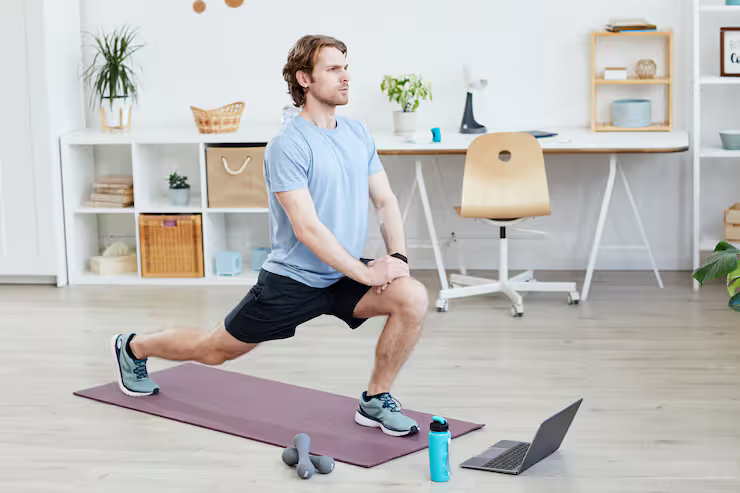
What is Easy Exercises for Beginners
Easy exercises for beginners are simple physical activities designed for people who are new to fitness or returning after a long break. These exercises focus on basic movements that are safe, low-impact, and easy to perform without requiring advanced skills or equipment. The goal is to help individuals gradually build strength, flexibility, and endurance without putting too much stress on the body.
Unlike intense workout programs, beginner exercises prioritize comfort and consistency over complexity. They include activities such as walking, stretching, bodyweight exercises, and light cardio movements. By starting with these simple routines, beginners can develop proper form, reduce the risk of injury, and create a habit of regular physical activity.
How Easy Exercises for Beginners Works
Easy exercises for beginners work by gradually activating different muscle groups and improving overall body function through consistent, low-intensity movement, allowing the body to adapt over time without strain or fatigue.
Key Benefits of Easy Exercises for Beginners
Starting with easy exercises offers multiple advantages, especially for those who are just beginning their fitness journey.
- Improves overall physical health and stamina
- Helps build strength and muscle tone gradually
- Enhances flexibility and mobility
- Supports better posture and balance
- Boosts mental well-being and reduces stress
- Encourages consistency and long-term habits
- Reduces the risk of injury compared to intense workouts
- Increases energy levels throughout the day
Practical Examples or Use Cases
Here are some common beginner-friendly exercises and how they can be used in daily life:
| Category | Function | Example Use Case |
|---|---|---|
| Cardio | Improves heart health | Brisk walking in the morning |
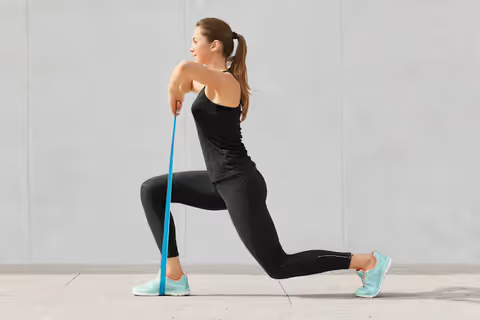
| Strength Training | Builds muscle strength | Bodyweight squats at home |
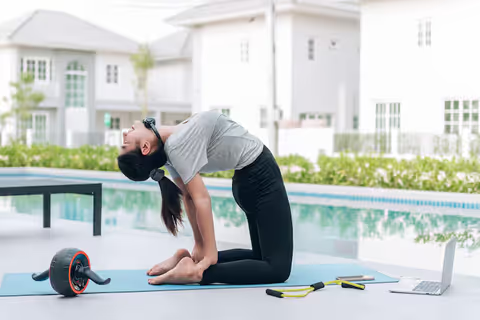
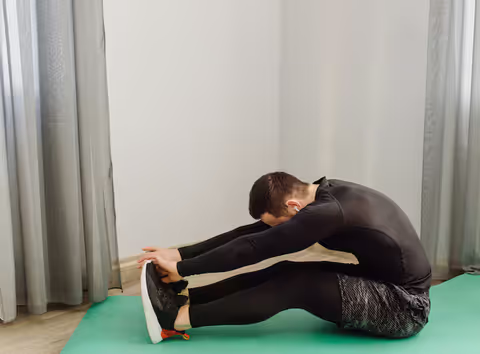
| Flexibility | Enhances range of motion | Stretching after waking up |
| Balance Training | Improves stability | Standing on one leg |
| Core Exercises | Strengthens abdominal muscles | Basic plank holds |
| Low-Impact Workout | Reduces joint stress | Slow cycling or light yoga |
Tips or Best Practices
- Start with short sessions and gradually increase duration
- Focus on proper form rather than speed or intensity
- Stay consistent with a simple routine
- Listen to your body and rest when needed
Common Mistakes to Avoid
Many beginners make the mistake of doing too much too soon, which can lead to fatigue or injury. Skipping warm-ups, ignoring proper form, and expecting quick results are also common issues. Some people compare themselves to others or follow advanced routines that are not suitable for their level. To avoid these problems, it is important to start slow, stay patient, and focus on gradual progress rather than perfection.
Future Trends or Insights
As fitness awareness continues to grow, beginner-friendly exercise routines are becoming more accessible and personalized.
- Increased use of digital fitness apps for guided workouts
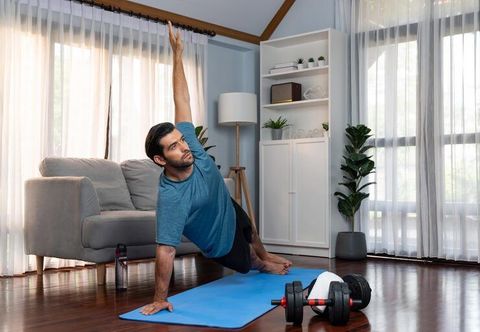
- Growing popularity of home-based exercise routines
- Focus on mental health alongside physical fitness
- Rise of low-impact and sustainable workout methods
- Integration of wearable technology for tracking progress
Frequently Asked Questions (FAQ)
1. How often should beginners exercise?
Beginners can start with 3–4 days per week and gradually increase frequency as their stamina improves.
2. Do I need equipment for beginner exercises?
No, many easy exercises for beginners use bodyweight and can be done at home without equipment.
3. How long should a beginner workout last?
A session of 15–30 minutes is enough to start and can be increased over time.
4. Can beginners do exercise every day?
Yes, but it’s important to include rest days or light activity days to allow the body to recover.
5. How long does it take to see results?
Most beginners start noticing improvements in energy and strength within a few weeks of consistent effort.
Conclusion
Easy exercises for beginners provide a simple and effective way to start a fitness journey without feeling overwhelmed. By focusing on basic movements and maintaining consistency, anyone can build strength, improve health, and develop a sustainable routine. The key is to start small, stay patient, and gradually progress over time.
As more people become aware of the importance of staying active, beginner-friendly workouts will continue to play a vital role in promoting healthier lifestyles. By making exercise a regular part of your day, you can improve both your physical and mental well-being for the long term.