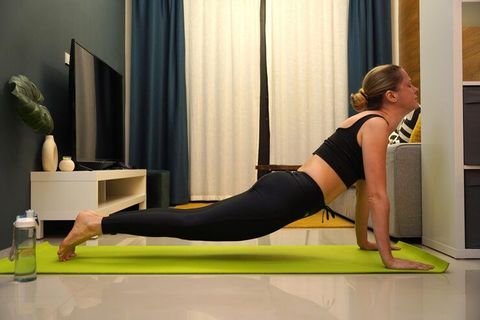
Fat Loss Plateau Breaker Workouts Guide
This guide breaks down practical, effective workout strategies to help you restart fat loss without extreme measures.
Understanding Fat Loss Plateaus
A fat loss plateau happens when your body adapts to your routine. Over time, your metabolism becomes more efficient, meaning you burn fewer calories doing the same activities. What worked before may no longer be enough to create a calorie deficit.
This doesn’t mean your efforts are wasted. It simply means your body needs a new challenge.
Why Plateaus Happen
Several factors contribute to a plateau:
- Metabolic adaptation: Your body adjusts to lower calorie intake
- Reduced activity intensity: Workouts become easier over time
- Muscle gain masking fat loss: Body composition changes but weight stays stable
- Routine repetition: Doing the same exercises limits progress
Recognizing these reasons helps you make smarter changes instead of guessing.
Workout Strategies to Break a Plateau
To restart fat loss, you need to introduce variety and intensity into your workouts. The goal is to challenge your body in new ways while maintaining consistency.
High-Intensity Interval Training (HIIT)
HIIT is one of the most effective plateau breakers. It involves short bursts of intense exercise followed by brief recovery periods.
Why it works:
- Boosts calorie burn in less time
- Increases post-workout energy expenditure
- Keeps workouts engaging and dynamic
Example HIIT session:
- 30 seconds sprint
- 30 seconds walk
- Repeat for 15–20 minutes
This approach pushes your limits and prevents your body from adapting too quickly.
Strength Training with Progressive Overload
If you’ve been focusing mostly on cardio, adding strength training can make a big difference. Building muscle increases your resting metabolic rate, meaning you burn more calories even at rest.
Key principles:
- Gradually increase weights
- Add more repetitions over time
- Focus on compound movements like squats and deadlifts
Strength training doesn’t just help with fat loss—it also improves overall body composition.
Change Your Workout Structure
Doing the same routine repeatedly leads to stagnation. Switching your workout style can reignite progress.
Try these variations:
- Circuit training instead of straight sets
- Supersets to increase intensity
- Shorter rest periods between exercises
Even small changes can create a noticeable impact.
Smart Adjustments That Support Workouts
Workouts alone aren’t the full picture. Supporting habits play a major role in overcoming plateaus.
Increase Daily Movement
Structured workouts are important, but daily movement matters too. Activities like walking, stretching, or light cycling add up.
Simple ways to stay active:
- Take short walks during breaks
- Use stairs instead of elevators
- Stand more during the day
This type of activity is often overlooked but highly effective.
Focus on Recovery
Overtraining can stall progress just as much as undertraining. Your body needs time to recover and rebuild.
Make sure you:
- Get enough sleep
- Include rest days
- Practice stretching or mobility work
Recovery supports muscle growth and keeps your metabolism functioning properly.
Adjust Workout Frequency
If you’ve been training at the same frequency for weeks, it might be time to change it.
Options include:
- Adding an extra workout day
- Reducing frequency to allow better recovery
- Splitting workouts by muscle groups
Listen to your body and adjust accordingly.
Sample Plateau Breaker Workout Plan
Here’s a simple weekly structure to help you reset your routine:
| Day | Workout Type | Focus Area |
|---|---|---|
| Monday | Strength Training | Upper Body |
| Tuesday | HIIT | Full Body |
| Wednesday | Active Recovery | Light Movement |
| Thursday | Strength Training | Lower Body |
| Friday | Circuit Training | Full Body |
| Saturday | Low-Intensity Cardio | Endurance |
| Sunday | Rest | Recovery |
This balanced approach keeps your body guessing while allowing enough recovery time.
Common Mistakes to Avoid
When trying to break a plateau, it’s easy to overcorrect. Avoid these common pitfalls:
- Doing too much too soon: Sudden extreme changes can lead to burnout
- Ignoring nutrition: Workouts need proper fuel to be effective
- Skipping rest days: Recovery is essential for progress
- Tracking only weight: Focus on overall fitness and body composition
A balanced approach always works better than drastic changes.
Practical Tips to Stay Consistent
Consistency is the foundation of any successful fitness plan. Staying motivated during a plateau can be challenging, but a few strategies can help.
Set Short-Term Goals
Instead of focusing only on long-term results, create smaller milestones. These keep you motivated and provide a sense of achievement.
Examples:
- Completing a certain number of workouts per week
- Increasing weights gradually
- Improving endurance levels
Track Your Progress
Tracking helps you see improvements beyond the scale.
You can monitor:
- Strength gains
- Workout performance
- Energy levels
This gives you a clearer picture of your progress.
Keep Workouts Enjoyable
If you don’t enjoy your routine, sticking to it becomes harder. Try new exercises, switch environments, or train with a partner to keep things interesting.
When to Make Changes
Not every stall is a true plateau. Sometimes your body just needs time to adjust.
Consider changing your routine if:
- Progress has stopped for several weeks
- Workouts feel too easy
- Motivation is dropping
Otherwise, staying consistent might be enough to see results.
Conclusion
Fat loss plateaus are a normal part of any fitness journey. They don’t mean failure—they signal that your body has adapted and needs a new challenge.
By adjusting your workouts, increasing intensity, and supporting your efforts with proper recovery and daily movement, you can move past the plateau. Focus on consistency, stay patient, and keep making small improvements.
Progress doesn’t always happen in a straight line, but with the right approach, it continues.