Fitness After 30: A Complete Guide to Staying Strong, Active, and Healthy
The good news is that staying fit after 30 is absolutely achievable with the right approach. It’s not about extreme workouts or strict routines, but about consistency, balance, and understanding your body’s needs. With proper planning, anyone can build strength, improve endurance, and maintain overall wellness well beyond their 30s.
What is Fitness After 30
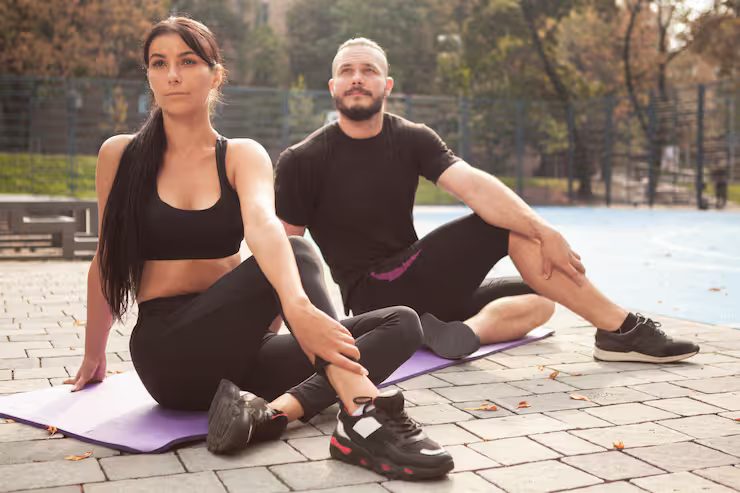
Fitness after 30 refers to a balanced approach to physical health that adapts to the body’s changing needs as it ages. Unlike in your 20s, when recovery is quick and metabolism is high, your 30s require more mindful training, proper nutrition, and recovery strategies. It focuses on maintaining muscle, supporting joint health, and improving overall well-being.
This phase is less about intense performance and more about sustainability. Fitness after 30 emphasizes consistency over intensity, ensuring that workouts are effective yet safe. It includes a mix of strength training, cardio, flexibility exercises, and lifestyle habits that support long-term health.
How Fitness After 30 Works
Fitness after 30 works by combining structured exercise routines with proper recovery, nutrition, and lifestyle habits to maintain strength, mobility, and energy levels while adapting to slower metabolism and increased recovery needs.
Key Benefits of Fitness After 30
Adopting a fitness routine after 30 brings both immediate and long-term advantages. It not only improves physical health but also enhances mental well-being and daily productivity.
- Improves muscle strength and helps prevent age-related muscle loss
- Boosts metabolism and supports healthy weight management
- Enhances heart health and stamina
- Reduces stress and improves mental clarity
- Supports joint flexibility and mobility
- Promotes better sleep and energy levels
- Helps prevent lifestyle-related health issues
Practical Examples or Use Cases
| Category | Function | Example Use Case |
|---|---|---|
| Strength Training | Builds muscle and bone strength | Weightlifting 3 times per week |
| Cardio Exercise | Improves heart health | Brisk walking or cycling |
| Flexibility Training | Enhances mobility | Yoga or stretching sessions |
| Lifestyle Fitness | Encourages daily activity | Taking stairs instead of lifts |
| Recovery Practices | Prevents injuries | Rest days and proper sleep |
Tips or Best Practices
- Focus on consistency rather than intensity in workouts
- Include strength training at least 2–3 times per week
- Prioritize proper warm-up and cool-down routines
- Maintain a balanced diet with adequate protein and hydration
Common Mistakes to Avoid
Many beginners make the mistake of following the same intense routines they used in their 20s without considering their body’s changing needs. Overtraining, skipping warm-ups, neglecting recovery, and focusing only on cardio while ignoring strength training can lead to fatigue or injury. Another common issue is inconsistency, where people start strong but fail to maintain a routine, which limits long-term results.
Future Trends or Insights
Fitness after 30 is evolving with a stronger focus on personalized health and sustainable routines. People are now more aware of the importance of holistic wellness rather than just physical appearance.
- Personalized workout plans based on body type and goals
- Increased focus on functional fitness and mobility
- Integration of mental wellness with physical fitness
- Use of wearable technology to track health metrics
- Growth of home-based and flexible workout routines
Frequently Asked Questions (FAQ)
1. Is it harder to stay fit after 30?
It can feel different due to slower metabolism, but with the right routine, staying fit is very achievable.
2. How often should I exercise after 30?
A balanced routine of 4–5 days per week including strength and cardio is effective.
3. Is strength training important after 30?
Yes, it helps maintain muscle mass and supports bone health.
4. Can I still build muscle after 30?
Absolutely, with proper training, nutrition, and consistency, muscle growth is possible.
5. What is the best type of exercise after 30?
A mix of strength training, cardio, and flexibility exercises works best.
Conclusion
Fitness after 30 is not about pushing limits but about building a sustainable and balanced lifestyle. By focusing on consistency, proper nutrition, and mindful workouts, you can maintain strength, energy, and overall health for years to come.
As life becomes busier, prioritizing fitness becomes even more important. A well-structured routine not only improves physical health but also enhances mental clarity and daily performance. Investing in your fitness after 30 is one of the most valuable decisions for long-term well-being.