Flexibility Exercises for Beginners: Simple Guide to Improve Mobility and Stay Active
Starting a flexibility routine does not require advanced skills or complicated techniques. With simple stretches and consistent practice, anyone can gradually improve their mobility. Whether you want to feel less tight, enhance posture, or support your overall fitness journey, flexibility training is a great place to begin.
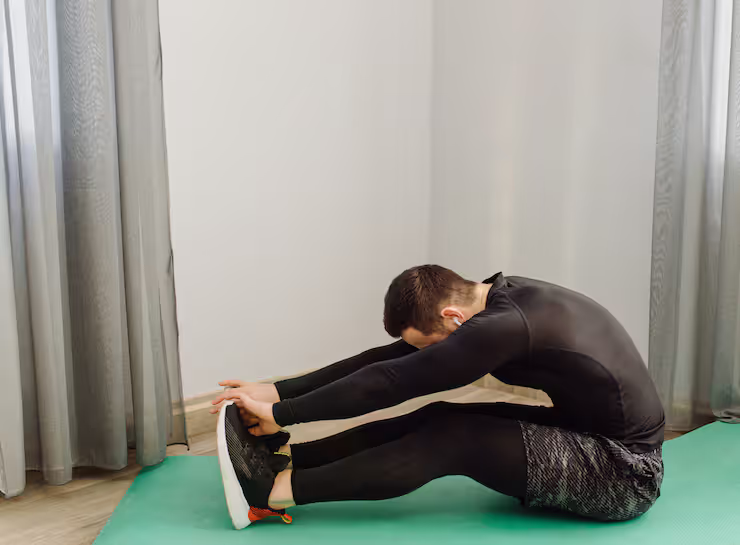
What is Flexibility Exercises for Beginners
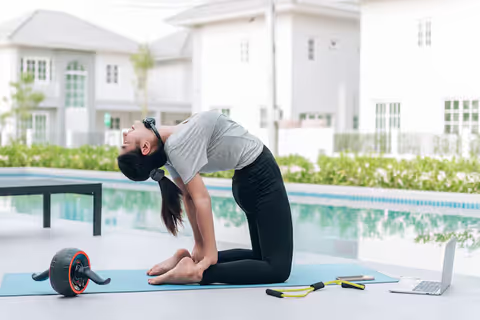
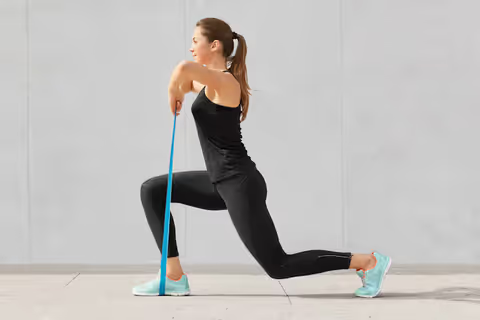
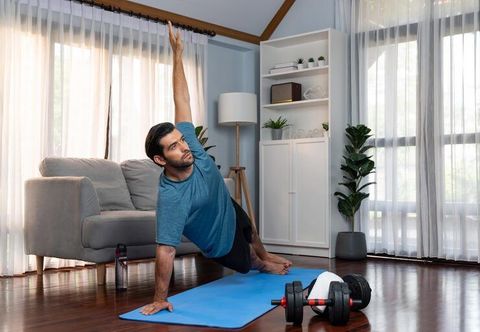
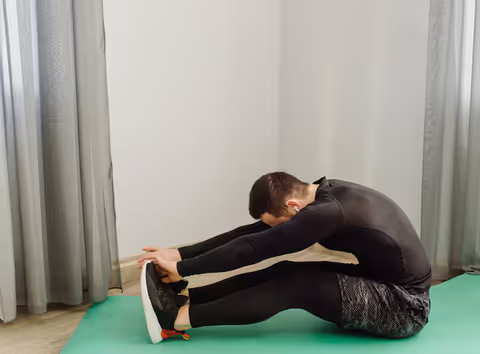
Flexibility exercises for beginners are simple stretching movements designed to improve the range of motion in your muscles and joints. These exercises focus on gently lengthening muscles and reducing stiffness, making it easier for the body to move freely. Unlike intense workouts, flexibility training is calm, controlled, and suitable for all fitness levels.
For beginners, these exercises usually include basic stretches such as hamstring stretches, shoulder rolls, and gentle yoga poses. The goal is not to push your body to the limit but to gradually increase comfort and movement over time. With regular practice, flexibility improves, helping the body feel more relaxed and balanced.
How Flexibility Exercises for Beginners Works
Flexibility exercises for beginners work by slowly stretching muscles and connective tissues, allowing them to become more elastic over time; this process improves joint mobility, reduces muscle tension, and helps the body adapt to a wider range of movements without discomfort or strain.
Key Benefits of Flexibility Exercises for Beginners
Flexibility training offers several important advantages for both physical health and daily comfort. When practiced consistently, these exercises can make a noticeable difference in how your body feels and performs.
- Improves range of motion in joints
- Reduces muscle stiffness and tension
- Enhances posture and body alignment
- Helps prevent injuries during physical activity
- Supports better blood circulation
- Promotes relaxation and stress relief
- Improves overall movement efficiency
Practical Examples or Use Cases
Flexibility exercises are useful in many real-life situations, not just during workouts. Here are some practical applications:
| Category | Function | Example Use Case |
|---|---|---|
| Daily Routine | Improves movement ease | Bending to pick up objects without discomfort |
| Fitness Training | Prepares muscles for activity | Stretching before jogging or home workouts |
| Office Lifestyle | Reduces stiffness from sitting | Neck and shoulder stretches during work breaks |
| Recovery | Helps muscles relax after activity | Stretching after a long walk or exercise session |
| Aging Support | Maintains mobility over time | Gentle stretches for maintaining flexibility |
Tips or Best Practices
- Start slowly and avoid forcing your body into deep stretches
- Hold each stretch for 15–30 seconds with steady breathing
- Practice regularly, even if only for a few minutes daily
- Focus on proper posture while performing each movement
Common Mistakes to Avoid
Many beginners make the mistake of pushing too hard too quickly, which can lead to discomfort or minor injuries. Skipping warm-ups, bouncing during stretches, or holding breath instead of breathing naturally are also common issues. Some people expect instant results and give up too soon, but flexibility improves gradually with consistency. Listening to your body and practicing patience is key to safe and effective progress.
Future Trends or Insights
Flexibility training is gaining more attention as people recognize its importance in overall health and wellness. It is no longer limited to athletes or yoga enthusiasts but is becoming a regular part of modern fitness routines.
- Integration of flexibility training in daily fitness apps
- Increased popularity of home-based stretching routines
- Combination of flexibility with mindfulness practices
- Use of guided digital programs for beginners
- Growing awareness of mobility-focused workouts
Frequently Asked Questions (FAQ)
1. How often should beginners do flexibility exercises?
Beginners should aim to practice flexibility exercises at least 3–5 times per week for best results.
2. Can flexibility exercises help reduce pain?
Yes, regular stretching can help reduce muscle tension and improve comfort, especially for people with stiffness.
3. Do I need any equipment for flexibility exercises?
No, most beginner flexibility exercises can be done using just your body weight.
4. How long does it take to see improvement?
With consistent practice, noticeable improvements can be seen within a few weeks.
5. Is it okay to feel slight discomfort while stretching?
Mild tension is normal, but sharp pain should be avoided as it may indicate overstretching.
Conclusion
Flexibility exercises for beginners are a simple yet powerful way to improve overall health and movement. They help the body become more adaptable, reduce stiffness, and support better posture in everyday life. Even a short daily routine can lead to long-term benefits.
As more people focus on balanced fitness, flexibility training continues to grow in importance. By starting early and staying consistent, beginners can build a strong foundation for a healthier and more active lifestyle.