Functional Strength Exercises: A Practical Guide to Building Real-World Strength
In today’s fast-paced lifestyle, people are looking for workouts that not only improve appearance but also enhance overall performance and reduce injury risk. Functional strength exercises fit perfectly into this need. They are simple, adaptable, and effective for beginners as well as advanced fitness enthusiasts.
What is Functional Strength Exercises
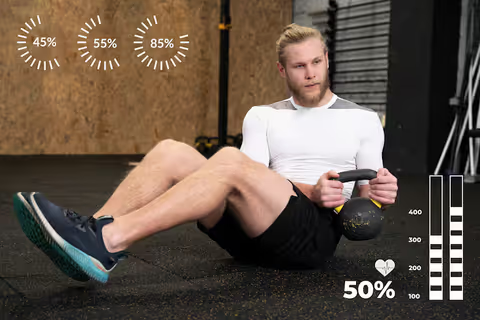
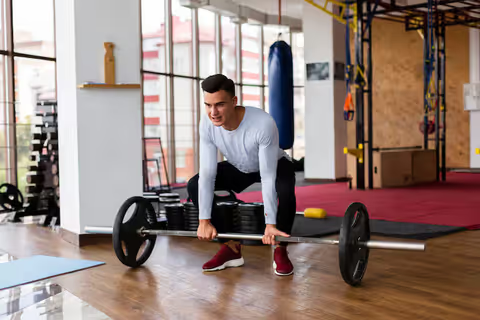
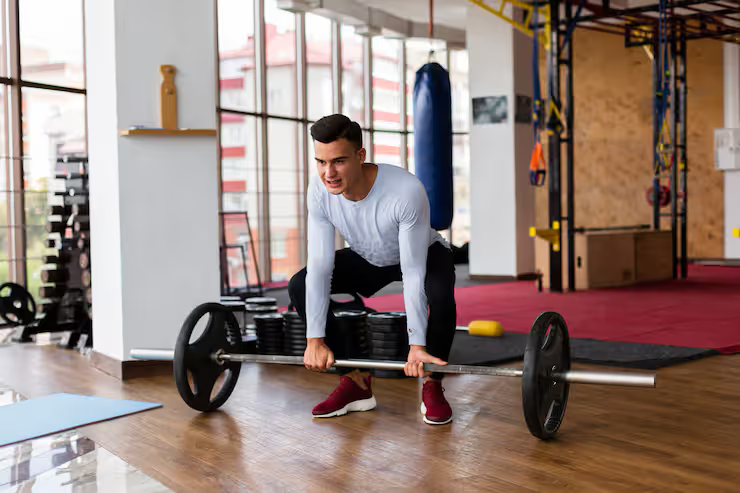
Functional strength exercises are movements that train multiple muscle groups at the same time. Instead of focusing on one muscle, they mimic real-life activities such as bending, lifting, pushing, pulling, and rotating. These exercises help improve coordination, balance, and strength together.
The main idea behind functional strength exercises is to make your body stronger in a practical way. For example, a squat helps you sit and stand more easily, while a lunge improves your walking and climbing ability. This approach focuses on movement patterns rather than just muscles, making your training more useful in daily life.
How Functional Strength Exercises Works
Functional strength exercises work by engaging multiple muscles and joints in a coordinated way, improving how your body moves as a whole rather than in isolated parts; this enhances stability, balance, flexibility, and strength simultaneously, allowing your body to perform everyday tasks more efficiently and safely while reducing the risk of injury.
Key Benefits of Functional Strength Exercises
Functional strength exercises provide a wide range of physical and practical benefits that go beyond basic fitness. They help improve how your body performs in daily activities while supporting long-term health.
- Improves balance and coordination
- Enhances overall body strength
- Supports better posture and alignment
- Reduces risk of injuries
- Increases flexibility and mobility
- Boosts core stability
- Helps in daily physical activities
- Saves time by training multiple muscles at once
Practical Examples or Use Cases
Below is a table showing how functional strength exercises apply to real-life situations:
| Category | Function | Example Use Case |
|---|---|---|
| Lower Body Strength | Builds leg power and stability | Squats for sitting and standing easily |
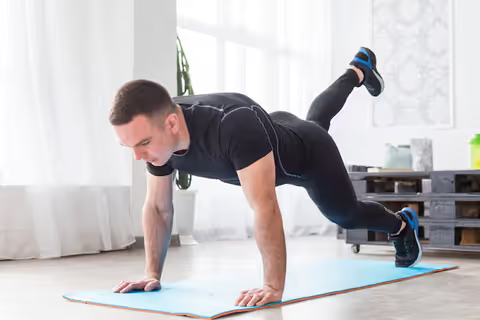
| Core Stability | Strengthens abdominal muscles | Planks for maintaining posture |
| Upper Body Strength | Improves pushing and pulling | Push-ups for lifting and carrying items |
| Balance Training | Enhances body control | Lunges for walking on uneven surfaces |
| Mobility Training | Increases joint flexibility | Dynamic stretches for daily movements |
Tips or Best Practices
- Focus on proper form instead of speed
- Start with bodyweight exercises before adding resistance
- Keep movements controlled and steady
- Stay consistent with your routine
Common Mistakes to Avoid
One common mistake beginners make with functional strength exercises is focusing too much on intensity rather than technique. Poor form can lead to injuries and reduce effectiveness. Another mistake is skipping warm-ups, which can limit flexibility and increase strain on muscles. Many people also tend to rush through exercises instead of performing controlled movements, which reduces the overall benefit. Lastly, ignoring rest and recovery can slow down progress and lead to fatigue.
Future Trends or Insights
As fitness continues to evolve, functional strength exercises are gaining more attention due to their practical benefits and adaptability. People are shifting towards workouts that improve both health and daily performance.
- Increased use of bodyweight training programs
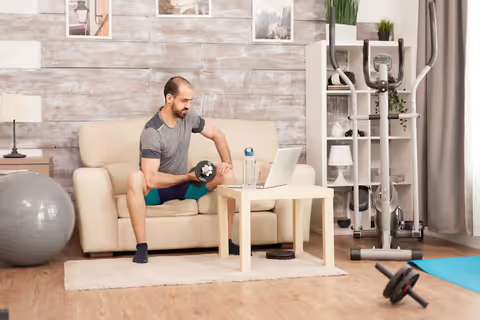
- Growth of home-based functional workouts
- Integration with wearable fitness technology
- Personalized training plans using data tracking
- Focus on injury prevention and mobility training
Frequently Asked Questions (FAQ)
1. Are functional strength exercises suitable for beginners?
Yes, they are beginner-friendly and can be easily modified based on fitness levels.
2. How often should I do functional strength exercises?
You can start with 3–4 times per week, depending on your fitness goals and recovery.
3. Do I need equipment for functional strength exercises?
No, many exercises use body weight, but equipment can be added for variety.
4. Can functional training help with weight management?
Yes, it improves overall fitness and burns calories effectively.
5. What is the difference between functional and traditional training?
Functional training focuses on real-life movements, while traditional training often targets specific muscles.
Conclusion
Functional strength exercises are more than just a fitness trend—they are a practical way to build a stronger, more capable body. By focusing on movements that reflect daily activities, these exercises help improve balance, flexibility, and overall strength in a meaningful way.
As more people prioritize long-term health and mobility, functional strength exercises will continue to grow in importance. Whether you're just starting your fitness journey or looking to improve your routine, this approach offers a simple and effective way to stay active and strong
Disclaimer: The information provided in this article is for informational purposes only. We do not make any claims or guarantees regarding the accuracy, reliability, or completeness of the information presented. The content is not intended as professional advice and should not be relied upon as such. Readers are encouraged to conduct their own research and consult with appropriate professionals before making any decisions based on the information provided in this article.