Low Impact Exercise for Seniors: A Complete Guide to Safe and Effective Fitness
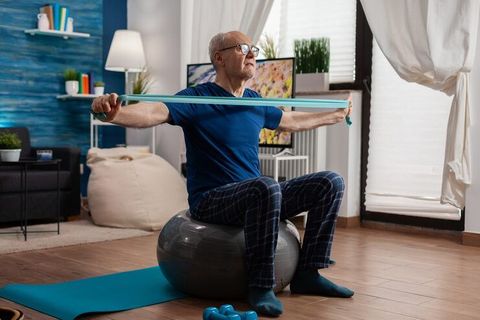
Low impact exercises are designed to be gentle yet effective. They help improve strength, flexibility, balance, and overall well-being without putting excessive strain on the body. Whether someone is just starting a fitness routine or looking to maintain mobility, these exercises provide a safe and practical approach to staying active.
What is Low Impact Exercise for Seniors
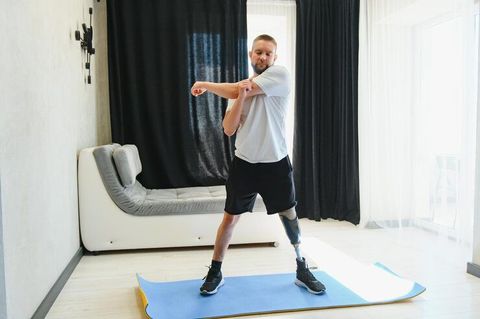
Low impact exercise for seniors refers to physical activities that keep at least one foot on the ground at all times, reducing stress on joints such as knees, hips, and ankles. These exercises are designed to be gentle, controlled, and accessible, making them ideal for older adults or individuals with limited mobility.
Unlike high-impact workouts like running or jumping, low impact exercises focus on smooth and steady movements. They help build strength, improve cardiovascular health, and enhance flexibility without causing unnecessary strain. Activities such as walking, swimming, chair exercises, and light yoga are common examples that fit well into this category.
How Low Impact Exercise for Seniors Works
Low impact exercise for seniors works by engaging muscles and improving circulation through controlled, low-stress movements that protect joints while still providing enough resistance to build strength, enhance balance, and support heart health over time.
Key Benefits of Low Impact Exercise for Seniors
Low impact exercise offers a wide range of physical and mental health benefits, making it an essential part of a healthy lifestyle for older adults.
- Improves joint flexibility and reduces stiffness
- Enhances balance and coordination, lowering fall risk
- Supports heart health and blood circulation
- Builds muscle strength without strain
- Helps manage weight and metabolism
- Boosts mood and reduces stress or anxiety
- Increases energy levels for daily activities
- Promotes better sleep quality
Practical Examples or Use Cases
Here are some real-world examples of how low impact exercise can be included in daily life:
| Category | Function | Example Use Case |
|---|---|---|
| Walking | Improves cardiovascular health | Morning or evening park walks |
| Chair Exercises | Strengthens muscles safely | Seated leg lifts during TV time |
| Swimming | Full-body workout with minimal strain | Light pool sessions 2–3 times a week |
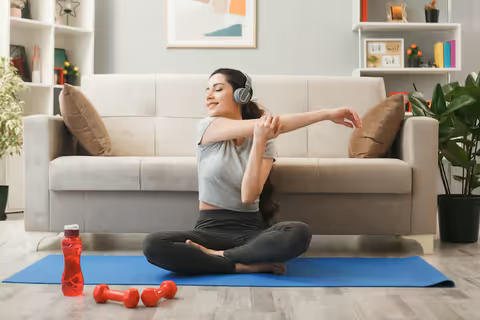
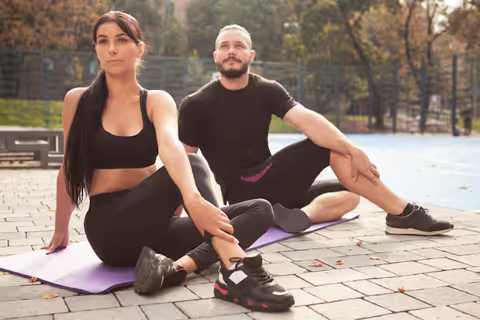
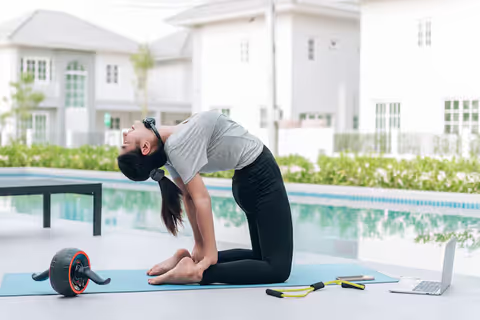
| Yoga | Enhances flexibility and balance | Gentle stretching routines at home |
| Tai Chi | Improves coordination and stability | Slow movement practice in groups |
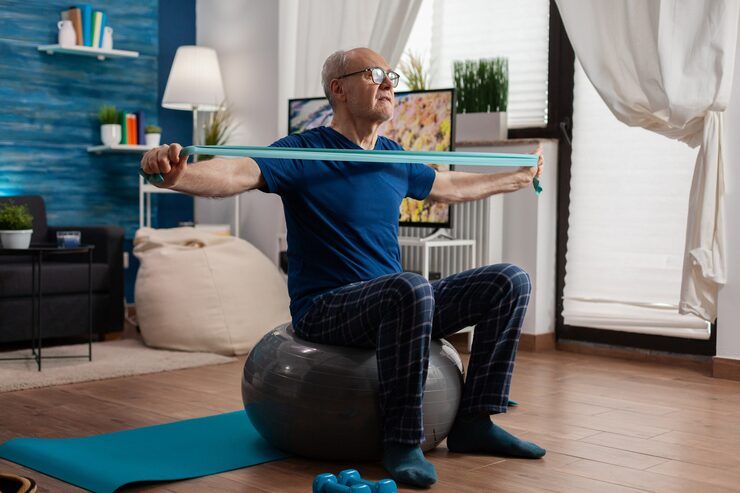
| Resistance Bands | Builds strength gradually | Light resistance training indoors |
Tips or Best Practices
- Start slow and gradually increase activity levels
- Wear comfortable clothing and supportive footwear
- Stay hydrated and listen to your body
- Maintain a consistent routine for better results
Common Mistakes to Avoid
Many beginners make the mistake of doing too much too quickly, which can lead to discomfort or injury. Ignoring proper posture or skipping warm-up routines can also reduce the effectiveness of exercises. Some seniors may feel discouraged if results are not immediate, but consistency is key. It is important to focus on steady progress rather than intensity and to avoid comparing oneself to others.
Future Trends or Insights
As awareness of healthy aging grows, low impact exercise for seniors is becoming more popular and accessible through modern tools and community programs.
- Increasing use of virtual fitness classes for seniors
- Growth in wearable devices to track activity levels
- Personalized fitness plans based on health conditions
- More community-based wellness programs
- Integration of technology with guided exercise routines
Frequently Asked Questions (FAQ)
1. What is the best low impact exercise for seniors?
Walking is often considered one of the best options because it is simple, safe, and effective for overall health.
2. How often should seniors do low impact exercise?
Most seniors can aim for at least 20–30 minutes of activity, 4–5 days a week, depending on their fitness level.
3. Can low impact exercise help with joint pain?
Yes, gentle movements can improve flexibility and reduce stiffness, which may help ease joint discomfort.
4. Is low impact exercise suitable for beginners?
Absolutely. These exercises are designed to be safe and easy, making them ideal for beginners.
5. Do seniors need equipment for low impact workouts?
Not always. Many exercises like walking or chair routines require little to no equipment.
Conclusion
Low impact exercise for seniors is a practical and effective way to maintain health, mobility, and independence. It provides a balanced approach to fitness that protects the body while still delivering meaningful benefits. By incorporating simple activities into daily routines, seniors can improve their quality of life and stay active for years to come.
As lifestyles continue to evolve, the importance of safe and sustainable fitness will only grow. Low impact exercise stands out as a reliable method for supporting healthy aging, making it an essential part of long-term wellness.