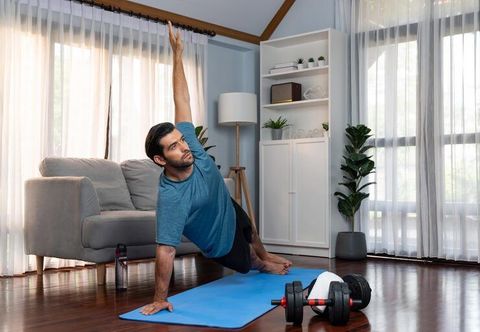
Mobility Exercises Guide: Complete Beginner-Friendly Plan for Better Movement
In today’s lifestyle, long hours of sitting, limited physical activity, and poor posture can lead to stiffness and restricted movement. This is where a Mobility Exercises Guide becomes essential. It helps you understand how to restore natural movement patterns, prevent injuries, and build a strong foundation for any physical activity. With the right approach, mobility training can fit easily into your daily routine.
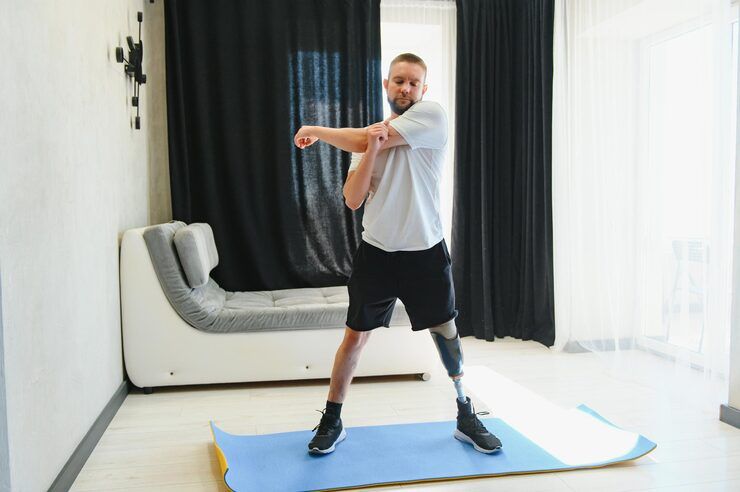
What is Mobility Exercises Guide
A Mobility Exercises Guide is a structured approach that focuses on improving the way your joints and muscles move together. It combines elements of flexibility, strength, and coordination to help your body perform movements smoothly and efficiently. Unlike simple stretching, mobility exercises actively engage muscles while moving joints through their full range of motion.
This guide is designed to help beginners and experienced individuals understand how to move better in everyday life. It includes exercises that target key areas such as hips, shoulders, spine, and ankles. By following a Mobility Exercises Guide, you can gradually improve your body control, posture, and overall movement quality without needing complex equipment or advanced techniques.
How Mobility Exercises Guide Works
A Mobility Exercises Guide works by training your joints and muscles to move together in a controlled and efficient way, using slow, intentional movements that improve flexibility, strength, and coordination at the same time, allowing your body to gradually increase its range of motion while also building stability and reducing stiffness.
Key Benefits of Mobility Exercises Guide
Mobility training offers a wide range of physical and functional benefits that support both daily activities and fitness performance.
- Improves joint flexibility and range of motion
- Reduces stiffness caused by prolonged sitting
- Enhances posture and body alignment
- Helps prevent injuries during workouts
- Increases overall body coordination
- Supports faster recovery after physical activity
- Improves performance in sports and exercise routines
Practical Examples or Use Cases
Below is a simple table showing how mobility exercises apply to real-life situations:
| Category | Function | Example Use Case |
|---|---|---|
| Daily Routine | Improves movement ease | Bending to pick objects without strain |
| Office Lifestyle | Reduces stiffness | Shoulder rolls after long desk work |
| Fitness Training | Enhances performance | Better squat depth in workouts |
| Sports Activity | Prevents injuries | Improved hip mobility for running |
| Rehabilitation | Supports recovery | Gentle joint movements after inactivity |
Tips or Best Practices
- Start with slow and controlled movements rather than rushing
- Focus on breathing to support better movement control
- Practice consistently, even for short daily sessions
- Target tight areas like hips, shoulders, and lower back
Common Mistakes to Avoid
Many beginners make the mistake of treating mobility exercises like regular stretching, focusing only on flexibility without engaging muscles properly. Another common issue is rushing through movements instead of maintaining control, which reduces effectiveness. Skipping consistency is also a major problem, as mobility improvements require regular practice. Additionally, ignoring pain signals or pushing too hard can lead to discomfort rather than progress.
Future Trends or Insights
As awareness around functional fitness continues to grow, mobility training is becoming a key part of modern health routines. People are now focusing more on movement quality rather than just strength or endurance.
- Increased use of mobility-focused workout programs
- Integration with digital fitness and guided routines
- Growing importance in injury prevention strategies
- Inclusion in workplace wellness practices
- Personalized mobility plans based on individual needs
Frequently Asked Questions (FAQ)
1. How often should I follow a Mobility Exercises Guide?
You can practice mobility exercises daily or at least 4–5 times a week for the best results.
2. Are mobility exercises suitable for beginners?
Yes, they are simple and can be adjusted based on your comfort level and flexibility.
3. Do I need equipment for mobility exercises?
Most mobility exercises can be done using just your body weight, making them easy to start anywhere.
4. How long does it take to see results?
With consistent practice, you may start noticing improvements in flexibility and movement within a few weeks.
5. Can mobility exercises replace workouts?
Mobility exercises support workouts but do not fully replace strength or cardio training.
Conclusion
A Mobility Exercises Guide is an essential tool for improving how your body moves and feels every day. It goes beyond simple stretching by combining flexibility, strength, and control into one effective practice. Whether you want to reduce stiffness, improve posture, or enhance your fitness performance, mobility exercises provide a strong foundation.
By incorporating mobility training into your routine, you can build a healthier and more resilient body over time. As modern lifestyles continue to limit natural movement, focusing on mobility is becoming more important than ever. Small, consistent efforts can lead to significant improvements in how you move and live.