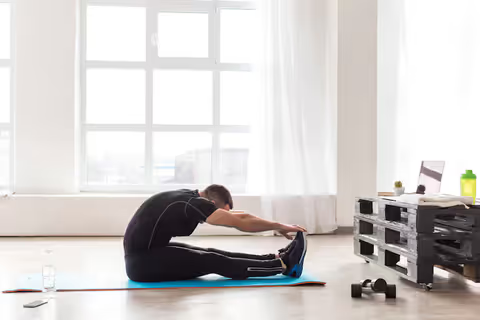
Small Space Home Workout: Complete Guide, Tips & Practical Insights
With the rise of at-home fitness routines, people are realizing that you don’t need fancy equipment or a big room to stay in shape. A few feet of space, your body weight, and consistency are more than enough to build strength, improve flexibility, and boost overall health.
This guide will walk you through everything you need to know about small space workouts—from benefits and exercises to practical tips and sample routines you can follow easily.
Why Small Space Home Workouts Matter
1. Saves Time and Effort
You don’t need to travel anywhere. Just start your workout whenever you have time.
2. Encourages Consistency
When your workout area is right in front of you, it becomes easier to stay consistent.
3. Flexible for Any Lifestyle
Whether you're a student, working professional, or homemaker, you can fit workouts into your schedule.
4. Budget-Friendly Fitness Option
You don’t need expensive machines. Bodyweight training is enough for most fitness goals.
Best Types of Small Space Exercises
You can perform a wide range of exercises without needing much room. Here are the most effective ones:
Bodyweight Exercises
These are the foundation of any home workout.
- Push-ups
- Squats
- Lunges
- Planks
- Glute bridges
These exercises help build strength, endurance, and balance.
Cardio in Limited Space
Cardio doesn’t require running outdoors.
- Jumping jacks
- High knees
- Mountain climbers
- Burpees
These improve heart health and burn calories effectively.
Core Strength Workouts
Core exercises are perfect for small areas.
- Crunches
- Leg raises
- Bicycle kicks
- Russian twists
A strong core supports posture and reduces injury risk.
Flexibility and Mobility
Stretching is often ignored but very important.
- Yoga poses
- Dynamic stretching
- Mobility drills
These improve flexibility and prevent stiffness.
How to Set Up Your Small Workout Space
You don’t need a dedicated room. Just a small, clear area works fine.
Clear the Area
Move furniture slightly if needed. Even a 6x6 feet space is enough.
Use Basic Equipment (Optional)
While not necessary, these can help:
- Yoga mat
- Resistance bands
- Light dumbbells
Ensure Safety
Make sure the floor is not slippery and there are no obstacles nearby.
Sample Small Space Workout Routine
Here’s a simple routine you can follow at home:
Beginner Routine (20 Minutes)
Warm-up (5 minutes)
- Arm circles
- Light jogging in place
- Bodyweight squats
Workout (12 minutes)
- 10 push-ups
- 15 squats
- 20 jumping jacks
- 15 crunches
Repeat this circuit 2–3 times.
Cool-down (3 minutes)
- Stretch your legs, arms, and back
Intermediate Routine (30 Minutes)
Warm-up (5 minutes)
- High knees
- Jumping jacks
- Dynamic stretches
Workout (20 minutes)
- 15 push-ups
- 20 squats
- 15 lunges (each leg)
- 30-second plank
- 20 mountain climbers
Repeat 3–4 rounds.
Cool-down (5 minutes)
- Deep stretching
Tips to Make Your Small Space Workout Effective
1. Focus on Form
Proper technique matters more than speed. Poor form can lead to injury.
2. Use Progressive Overload
Increase reps, sets, or intensity over time to keep improving.
3. Stay Consistent
Even 15–20 minutes daily can give great results if done regularly.
4. Combine Strength and Cardio
A mix of both helps in overall fitness and fat management.
5. Track Your Progress
Keep a simple record of your workouts to stay motivated.
Common Mistakes to Avoid
Skipping Warm-Up
Jumping directly into exercise can strain muscles.
Ignoring Recovery
Rest is important for muscle growth and performance.
Overcomplicating the Routine
Simple workouts done consistently are more effective than complex plans.
Not Using Space Smartly
You don’t need large movements—controlled, compact exercises work just as well.
Real-Life Example
Imagine someone living in a small apartment with limited room. They start doing 20-minute workouts daily using just bodyweight exercises. Over a few weeks, they notice:
- Increased energy levels
- Better posture
- Improved strength
- Reduced stress
This shows that even a small space can lead to big fitness improvements.
Advanced Ideas for Small Space Training
Once you get comfortable, you can make your workouts more challenging.
High-Intensity Interval Training (HIIT)
Short bursts of intense exercise followed by rest.
Example:
- 30 seconds burpees
- 30 seconds rest
- Repeat for 10–15 minutes
Time-Based Circuits
Set a timer and perform exercises continuously.
Resistance Training at Home
Use bands or weights to increase difficulty.
Benefits Beyond Physical Fitness
A small space home workout doesn’t just improve your body—it also benefits your mind.
Reduces Stress
Exercise releases endorphins, improving mood.
Boosts Productivity
You feel more active and focused throughout the day.
Builds Discipline
Regular workouts create a healthy routine.
How to Stay Motivated
Staying motivated can be challenging, especially at home.
Set Realistic Goals
Start small and gradually increase intensity.
Create a Routine
Fix a specific time for your workout.
Use Music or Timers
These can make workouts more enjoyable.
Celebrate Small Wins
Every improvement counts.
Conclusion
A small space home workout proves that you don’t need a large area or expensive equipment to stay fit. With the right approach, consistency, and simple exercises, you can achieve impressive results right from your home.
Start small, stay consistent, and focus on progress rather than perfection. Over time, even the smallest workout space can become your personal fitness zone.