Strength Training at Home: A Simple Guide to Build Strength Anytime
More people are choosing strength training at home because it fits easily into daily life. It saves time, offers flexibility, and allows you to exercise at your own pace. Whether you're a beginner or someone returning to fitness, this approach makes it easier to stay consistent and build long-term habits.
What is Strength Training at Home
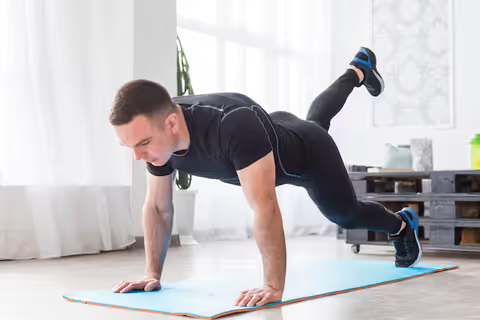
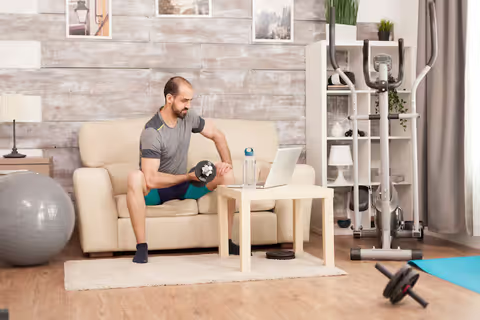
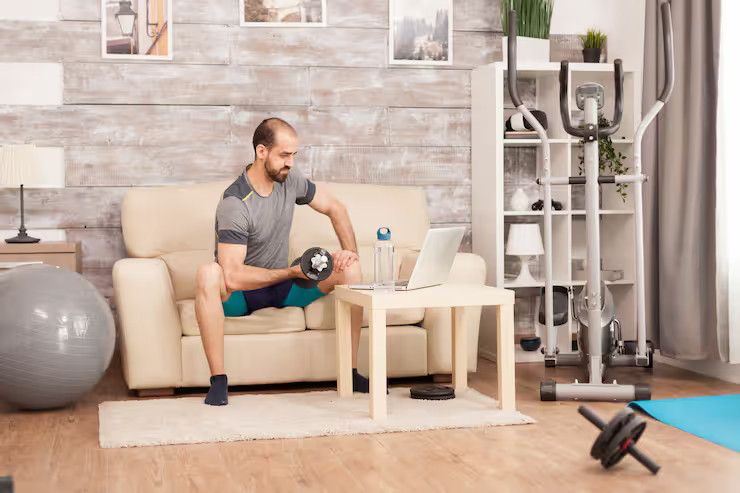
Strength training at home refers to performing exercises that improve muscle strength and endurance without going to a gym. It typically includes bodyweight exercises like push-ups, squats, and planks, as well as resistance-based movements using simple equipment such as dumbbells, resistance bands, or even water bottles.
The main goal of strength training at home is to challenge your muscles so they grow stronger over time. When you regularly perform these exercises, your body adapts by building muscle, improving balance, and increasing overall physical performance. It’s a simple yet powerful way to maintain fitness using minimal space and resources.
How Strength Training at Home Works
Strength training at home works by applying resistance to your muscles through controlled movements, which creates small muscle stress; your body then repairs and strengthens those muscles over time, making them stronger and more efficient with consistent practice.
Key Benefits of Strength Training at Home
Strength training at home offers a wide range of physical and mental benefits that go beyond just building muscle. It supports overall health, improves daily functionality, and helps create a sustainable fitness routine.
- Improves muscle strength and endurance
- Enhances metabolism and supports fat loss
- Saves time by removing the need to travel
- Increases flexibility and mobility
- Boosts mental health and reduces stress
- Helps build a consistent workout habit
- Suitable for all fitness levels
- Allows full control over workout pace and intensity
Practical Examples or Use Cases
Here are some real-world ways strength training at home can be applied in daily life:
| Category | Function | Example Use Case |
|---|---|---|
| Beginner Fitness | Build basic strength | Doing squats and push-ups to start a routine |
| Weight Management | Improve metabolism | Combining bodyweight exercises with a healthy diet |
| Busy Lifestyle | Save time | 20-minute home workouts between work tasks |
| Rehabilitation | Improve mobility | Light resistance exercises after minor injuries |
| General Health | Maintain fitness | Daily short workouts to stay active |
Tips or Best Practices
- Start with simple exercises and focus on proper form
- Keep your routine consistent, even if sessions are short
- Gradually increase intensity as your strength improves
- Allow rest days for muscle recovery
Common Mistakes to Avoid
Many beginners make the mistake of doing too much too quickly when starting strength training at home. This often leads to fatigue or even injury. Another common issue is ignoring proper form, which reduces effectiveness and increases risk. Some people also skip warm-ups or cool-downs, which are important for preventing stiffness. Inconsistency is another challenge, as results depend heavily on regular practice rather than occasional intense sessions.
Future Trends or Insights
Strength training at home continues to evolve with changing lifestyles and technology. As more people prioritize convenience and health, home workouts are becoming smarter and more personalized.
- Increased use of fitness apps for guided workouts
- Growth of virtual coaching and online training programs
- Integration of wearable devices to track performance
- Rise of compact and multifunctional home equipment
- Greater focus on personalized fitness routines
Frequently Asked Questions (FAQ)
1. Is strength training at home effective for beginners?
Yes, it is highly effective. Beginners can start with simple exercises and gradually build strength over time.
2. How often should I do strength training at home?
You can start with 3–4 sessions per week, allowing rest days in between for recovery.
3. Do I need equipment for strength training at home?
No, many exercises use body weight. Equipment can be added later for more variety.
4. How long should a home workout session be?
A session can be as short as 20–30 minutes and still be effective if done consistently.
5. Can strength training at home help with weight loss?
Yes, it supports fat loss by increasing muscle mass and boosting metabolism.
Conclusion
Strength training at home is a simple, flexible, and effective way to improve your fitness without needing a gym. It allows you to work at your own pace, adapt workouts to your lifestyle, and stay consistent over time. With the right approach, even small daily efforts can lead to noticeable improvements in strength and overall health.
As more people focus on convenient and sustainable fitness methods, strength training at home will continue to grow in popularity. It’s not just a temporary trend—it’s a long-term solution for building a healthier and stronger body.