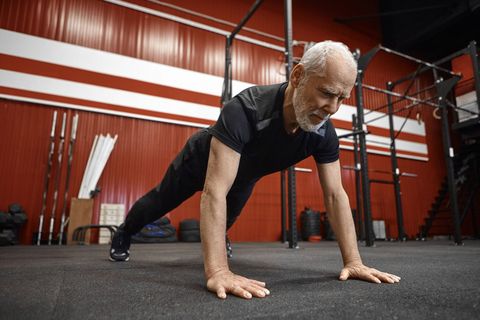
Strength Training for Older Adults: Helpful Guide
Whether you are just starting or returning after a break, this guide will walk you through the basics, benefits, and practical ways to include strength exercises in your routine.
Why Strength Training Matters for Seniors
As we age, muscle mass naturally declines. This process can make everyday activities—like climbing stairs or carrying groceries—more difficult. Strength training for seniors helps slow down this decline and supports better physical function.
Regular resistance training for older adults can:
- Improve muscle strength and endurance
- Support joint health and flexibility
- Enhance balance and reduce fall risk
- Boost confidence in daily movements
- Promote better posture and stability
The goal is not perfection but consistency. Even light weight training for seniors can make a noticeable difference over time.
Understanding the Basics of Strength Exercises
Strength exercises for seniors involve using resistance to build muscle. This resistance can come from body weight, resistance bands, or light dumbbells.
Common types of resistance exercises for seniors include:
- Bodyweight movements (like squats or wall push-ups)
- Resistance band workouts
- Light weight lifting for seniors
- Functional exercises (like standing from a chair)
These exercises target major muscle groups and can be adjusted based on ability. Starting slow and focusing on proper form is essential.
How Often Should Seniors Train?
A balanced routine is key. Most older adults can benefit from strength training two to three times per week. This allows enough time for muscles to recover while still building strength.
Here’s a simple guideline:
| Activity Type | Frequency per Week | Duration |
|---|---|---|
| Strength Training | 2–3 times | 20–30 minutes |
| Light Cardio (walking, etc.) | 3–5 times | 20–40 minutes |
| Flexibility/Stretching | Daily or alternate | 10–15 minutes |
Consistency matters more than intensity. Short, regular sessions are more effective than occasional long workouts.
Getting Started with Weight Training Routines
Starting a new routine can feel overwhelming, but it doesn’t have to be complicated. Weight training routines for seniors should be simple, safe, and easy to follow.
Beginner-Friendly Exercises
Here are some practical exercises to include:
- Chair Squats: Strengthen legs and improve mobility
- Wall Push-Ups: Build upper body strength
- Seated Leg Raises: Support knee and thigh muscles
- Bicep Curls with Light Weights: Improve arm strength
- Resistance Band Rows: Strengthen the back
Perform each exercise slowly, focusing on controlled movements. Start with one set of 8–10 repetitions and gradually increase as you feel comfortable.
Safety Tips to Keep in Mind
Safety is essential when doing resistance training for seniors. A few simple precautions can help prevent injury:
- Warm up before starting any workout
- Use proper posture and technique
- Avoid holding your breath during exercises
- Stop if you feel pain or discomfort
- Stay hydrated throughout your session
Listening to your body is one of the most important habits to develop.
Choosing the Right Equipment
You don’t need a gym full of equipment to get started. Many strength exercises for older adults can be done at home with minimal tools.
Some useful options include:
- Light dumbbells
- Resistance bands
- Sturdy chairs
- Soft exercise mats
Start with lighter resistance and gradually increase as your strength improves. The focus should always be on control, not heavy lifting.
Building a Sustainable Routine
Creating a routine that fits your lifestyle makes it easier to stay consistent. Strength training for older adults should feel manageable, not overwhelming.
Simple Weekly Plan Example
Here’s a sample weekly plan to help you get started:
- Day 1: Full-body strength exercises
- Day 2: Light walking or stretching
- Day 3: Strength training (upper body focus)
- Day 4: Rest or gentle activity
- Day 5: Strength training (lower body focus)
- Day 6: Light cardio or flexibility work
- Day 7: Rest
This balanced approach helps build strength while allowing time for recovery.
Staying Motivated
Staying consistent can be challenging, but small strategies can help:
- Set realistic goals
- Track your progress
- Exercise with a friend or family member
- Celebrate small improvements
Motivation often grows as you start to notice the benefits in daily life.
Common Challenges and How to Handle Them
Many seniors face similar challenges when starting weight training:
- Lack of confidence: Begin with simple exercises and build gradually
- Fear of injury: Focus on proper technique and low resistance
- Limited mobility: Choose seated or supported exercises
- Inconsistency: Create a fixed schedule and stick to it
Every step forward counts, no matter how small.
Conclusion
Strength training for seniors is a powerful way to support healthy aging. It helps maintain independence, improves physical strength, and enhances overall well-being. With simple exercises, a consistent routine, and a focus on safety, older adults can enjoy long-term benefits.
Start slow, stay consistent, and make adjustments as needed. Over time, even small efforts can lead to meaningful improvements in strength and confidence.