Stretching for Office Workers: A Complete Guide to Staying Active at Your Desk
This is where stretching for office workers becomes essential. Incorporating simple stretching movements into your daily routine can help reduce muscle tension, improve circulation, and support better posture. Even a few minutes of stretching during work hours can make a noticeable difference in how your body feels and functions.
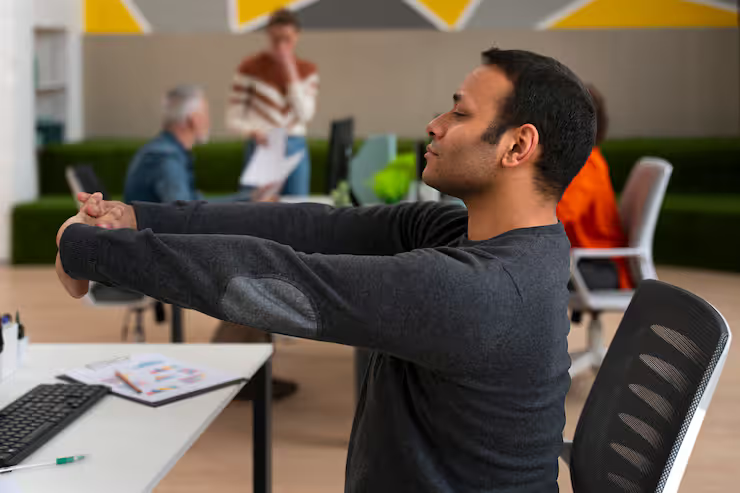
What is Stretching for Office Workers
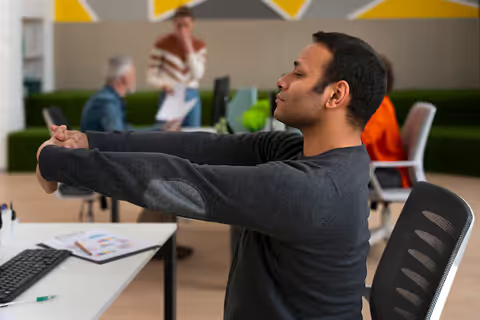
Stretching for office workers refers to a set of simple physical movements designed to relieve tension caused by prolonged sitting and repetitive desk activities. These stretches focus on key areas such as the neck, shoulders, back, hips, and wrists—parts of the body most affected by office work.
Unlike intense workouts, stretching in an office setting is gentle and accessible. It does not require special equipment or large spaces. Instead, it involves controlled movements that help lengthen muscles, improve flexibility, and reduce stiffness accumulated throughout the workday.
How Stretching for Office Workers Works
Stretching for office workers works by gently elongating tight muscles and increasing blood flow to areas that remain inactive for long periods; this helps reduce stiffness, improves joint mobility, and signals the body to relax, ultimately making movement easier and more comfortable during and after work hours.
Key Benefits of Stretching for Office Workers
Stretching regularly during work hours provides both immediate and long-term benefits for physical and mental well-being.
- Reduces muscle stiffness and tension caused by prolonged sitting
- Improves posture by aligning the spine and supporting muscles
- Enhances blood circulation and energy levels
- Decreases risk of discomfort in the neck, shoulders, and lower back
- Supports better focus and productivity throughout the day
- Helps prevent long-term mobility issues
Practical Examples or Use Cases
Here are some real-world ways stretching for office workers can be applied in daily routines:
| Category | Function | Example Use Case |
|---|---|---|
| Morning Routine | Activate muscles | Gentle neck and shoulder stretches before starting work |
| Midday Break | Reduce stiffness | Standing stretch after 2–3 hours of sitting |
| Desk Work | Improve posture | Seated spine stretch during computer work |
| After Work | Relax body | Full-body stretching to release tension |
| Virtual Meetings | Stay active | Light wrist and neck movements during calls |
Tips or Best Practices
- Take short stretch breaks every 60–90 minutes to avoid stiffness
- Focus on slow, controlled movements rather than quick motions
- Maintain proper breathing while stretching to relax muscles
- Adjust your chair and desk setup to support better posture
Common Mistakes to Avoid
Many beginners either skip stretching entirely or perform it incorrectly. A common mistake is rushing through stretches without proper form, which reduces effectiveness and may cause discomfort. Another issue is ignoring certain body areas like wrists and hips, even though they are heavily affected by desk work. Overstretching or forcing movements beyond comfort can also lead to strain. Consistency is key, and gentle, regular stretching is more beneficial than occasional intense sessions.
Future Trends or Insights
As workplace wellness continues to evolve, stretching for office workers is becoming an important part of daily routines and organizational culture.
- Integration of guided stretch reminders in productivity apps
- Use of wearable devices to monitor posture and movement
- Growth of hybrid work wellness routines at home and office
- Increased awareness of ergonomics and movement breaks
- Development of AI-based personalized stretching plans
Frequently Asked Questions (FAQ)
1. How often should office workers stretch during the day?
It is recommended to stretch every 60 to 90 minutes to reduce stiffness and improve circulation.
2. Can stretching replace exercise?
Stretching supports flexibility and relaxation but should be combined with regular physical activity for overall fitness.
3. Do I need special equipment for stretching at work?
No, most office stretches can be done using just your body and a chair.
4. Is stretching safe for everyone?
Yes, gentle stretching is generally safe, but individuals with existing conditions should be cautious and move within comfort limits.
5. How long should each stretch be held?
Each stretch should typically be held for 10 to 20 seconds while maintaining steady breathing.
Conclusion
Stretching for office workers is a simple yet powerful habit that can significantly improve daily comfort and long-term well-being. By incorporating short stretching sessions into your work routine, you can reduce muscle tension, enhance flexibility, and maintain better posture.
As more people adapt to desk-based work environments, prioritizing movement becomes increasingly important. Regular stretching not only supports physical health but also contributes to improved focus and productivity. Making it a consistent part of your day can lead to lasting benefits for both body and mind.