Beginner Strength Training Guide: Learn the Basics
Whether you're exploring kettlebells, weight lifting weights, or resistance training machines, this beginner-friendly article will help you understand the essentials and take your first steps safely.
What Is Strength Training and Why It Matters
Strength training, also known as resistance training, involves exercises that improve muscle strength and endurance. You work against resistance—such as dumbbells, body weight, or machines—to challenge your muscles.
It’s not just about building muscle. A well-rounded strength training program supports overall fitness and long-term health.
Key benefits include:
- Improved muscle tone and strength
- Better posture and balance
- Increased metabolism
- Support for bone health
- Enhanced daily movement efficiency
Unlike common myths, weight training for women does not automatically lead to bulky muscles. Instead, it helps create a lean, toned appearance and improves overall strength.
Types of Strength Training You Can Try
There are several approaches you can explore, depending on your comfort level and goals.
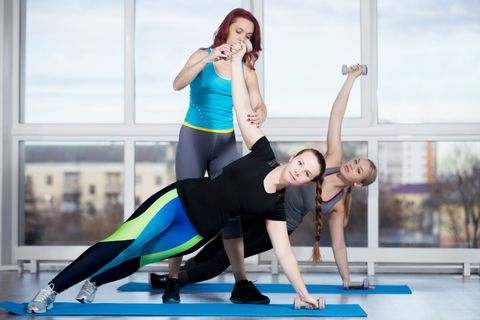
- Bodyweight training: Push-ups, squats, and planks
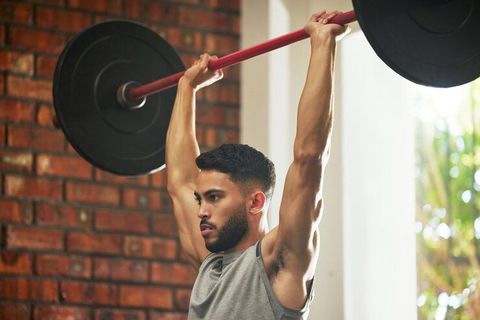
- Free weights: Dumbbells, barbells, and kettlebells
- Machines: Functional trainer systems and resistance machines
- Resistance bands: Portable and beginner-friendly
Each type offers unique advantages, so mixing them can keep workouts interesting and balanced.
Building a Beginner-Friendly Strength Training Program
A structured strength training program helps you stay consistent and avoid confusion. As a beginner, your focus should be on learning proper form and gradually increasing intensity.
Start with 2–3 sessions per week. Allow at least one rest day between workouts to help your muscles recover.
Sample Weekly Plan
| Day | Focus Area | Example Exercises |
|---|---|---|
| Monday | Upper body workout | Push-ups, dumbbell rows, shoulder press |
| Wednesday | Lower body | Squats, lunges, glute bridges |
| Friday | Full body | Deadlifts, kettlebell swings, planks |
This simple plan helps you target all major muscle groups without overtraining.
Understanding Reps, Sets, and Rest
If you're new to strength training, these terms are important:
- Reps (repetitions): Number of times you perform an exercise
- Sets: Groups of repetitions
- Rest: Break between sets
A good starting point:
- 8–12 reps per exercise
- 2–3 sets
- 30–90 seconds rest
Focus on controlled movement rather than speed.
Choosing the Right Equipment for Beginners
Walking into a gym can feel intimidating, especially when you see unfamiliar equipment. The key is to start simple.
Free Weights vs Machines
Free weights like dumbbells and kettlebells allow natural movement patterns. They also engage stabilizing muscles, making them effective for overall strength.
Machines, such as a functional trainer, guide your movements and are helpful when learning proper form. They can reduce the risk of injury for beginners.
When to Use Kettlebells
Kettlebells are versatile and great for dynamic movements. They combine strength and cardio in a single workout.
Popular beginner exercises include:
- Kettlebell swings
- Goblet squats
- Single-arm presses
These movements improve coordination and functional strength, which helps in everyday activities.
Upper Body Workout Basics
An upper body workout targets muscles in your chest, back, shoulders, and arms. For beginners, it's important to focus on balanced development.
Key Upper Body Exercises
- Push-ups (chest and triceps)
- Dumbbell rows (back)
- Shoulder press (shoulders)
- Bicep curls (arms)
- Tricep dips (arms)
Performing these exercises with proper form is more important than lifting heavy weights. Start light and gradually increase resistance as you improve.
Common Mistakes to Avoid
- Lifting too heavy too soon
- Using poor posture
- Skipping warm-ups
- Ignoring rest days
Taking time to learn correct technique reduces the risk of injury and improves results over time.
Strength Training for Women: What to Know
There are still many misconceptions around weight training for women. In reality, it offers the same benefits for everyone.
Women often focus on:
- Building lean muscle
- Improving strength
- Enhancing overall fitness
Hormonal differences mean women typically do not gain muscle mass as quickly as men. Instead, strength training helps create a toned and defined look.
Consistency is more important than intensity at the beginning. Start with manageable weights and increase gradually.
Tips for Safe and Effective Resistance Training
Starting slow and staying consistent is the best approach. Here are practical tips to help you stay on track:
Focus on Form First
Always prioritize correct posture and controlled movement. This builds a strong foundation for future progress.
Warm Up Before Every Session
Spend 5–10 minutes preparing your body with light cardio and mobility exercises.
Progress Gradually
Increase weights or repetitions slowly. Sudden jumps can lead to strain or injury.
Listen to Your Body
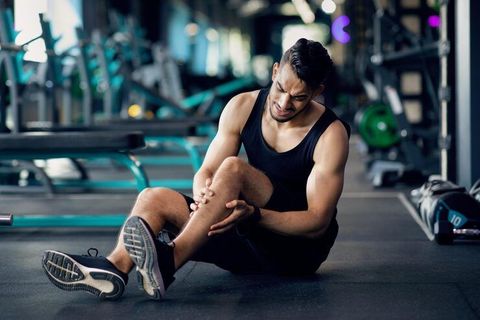
Muscle soreness is normal, but sharp pain is not. Rest when needed and avoid pushing through discomfort.
Stay Consistent
Results take time. A regular schedule matters more than occasional intense workouts.
How to Stay Motivated as a Beginner
Staying motivated can be one of the biggest challenges when starting a new routine. Keep things simple and realistic.
Set small, achievable goals such as:
- Completing three workouts per week
- Learning one new exercise each week
- Improving form and control
Tracking your progress—whether through notes or photos—can also help you stay committed.
Trying different workouts, including kettlebells or machine-based exercises, can keep your routine fresh and enjoyable.
Conclusion
Strength training is one of the most effective ways to improve your overall health and fitness. It doesn’t require complicated routines or heavy equipment to get started.
By focusing on simple exercises, proper form, and consistency, you can build a sustainable routine that fits your lifestyle. Whether you prefer resistance training at home or using a functional trainer at the gym, the key is to start small and stay committed.
Over time, you’ll notice improvements not just in strength, but also in confidence, energy, and everyday movement.