Cool-Down Routines Guide: Recover Better After Exercise
Cool-down routines help your body transition smoothly from intense activity to a resting state. They support muscle recovery, improve flexibility, and reduce discomfort. This guide walks you through why cool-downs matter and how to build one that works for you.
What Are Cool-Down Routines and Why They Matter
A cool-down routine is a short period of low-intensity activity and stretching done after exercise. It helps your heart rate gradually return to normal and prevents sudden drops in blood circulation.
When you exercise, your muscles work hard and build up tension. Stopping abruptly can cause stiffness and dizziness. A proper cool-down keeps blood flowing, helps clear waste products, and supports overall recovery.
Some key benefits include:
- Reduced muscle soreness after workouts
- Improved flexibility and range of motion
- Better circulation and oxygen flow
- Lower risk of post-exercise discomfort
- A calmer transition for your mind and body
Cool-downs are not just for athletes. Whether you walk, run, lift weights, or practice yoga, a simple routine can improve how you feel afterward.
How to Structure an Effective Cool-Down Routine
A good cool-down doesn’t have to be long or complicated. Even 5–10 minutes can be enough if done correctly. The key is to gradually reduce intensity and focus on gentle movements.
Step-by-Step Cool-Down Flow
| Phase | Duration | Purpose | Example Activities |
|---|---|---|---|
| Light Movement | 2–3 minutes | Lower heart rate gradually | Slow walking, easy cycling |
| Dynamic Stretch | 2–3 minutes | Release muscle tension | Arm swings, leg swings |
| Static Stretch | 3–5 minutes | Improve flexibility and relaxation | Hamstring stretch, quad hold |
This simple structure ensures your body shifts smoothly from activity to rest.
1: Light Movement to Ease the Transition
Start your cool-down with gentle movement. If you’ve been running, switch to walking. If you’ve been lifting weights, move around slowly instead of sitting immediately.
This step allows your heart rate and breathing to stabilize naturally. It also prevents blood from pooling in your lower body, which can cause lightheadedness.
Keep it simple:
- Walk at a relaxed pace
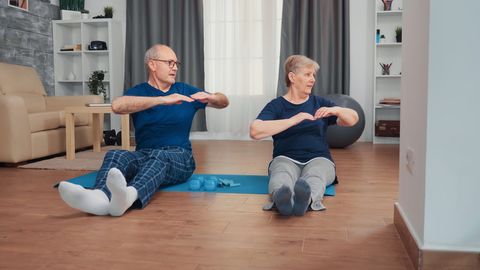
- Roll your shoulders and loosen your arms
- Take slow, deep breaths
Think of this phase as a bridge between exercise and rest.
2: Stretching for Recovery and Flexibility
Stretching is the core of most cool-down routines. It helps relax muscles that were active during your workout and improves flexibility over time.
Focus on the major muscle groups you used. For example:
- After running: calves, hamstrings, quads
- After upper body workouts: shoulders, chest, arms
- After full-body sessions: include hips and lower back
Hold each stretch for about 15–30 seconds without bouncing. The goal is gentle tension, not pain.
Examples of Simple Stretches
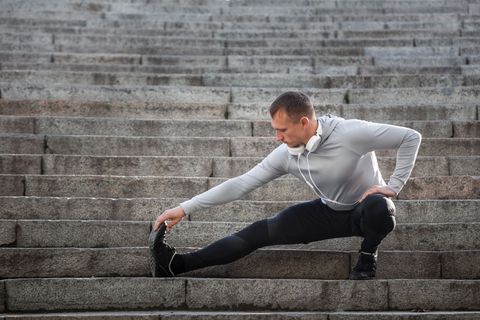
- Hamstring stretch: reach toward your toes while keeping your back straight
- Quadriceps stretch: hold your ankle behind you and balance
- Shoulder stretch: pull one arm across your chest
- Calf stretch: press your heel into the ground against a wall
Stretching regularly after workouts can make movements feel easier over time and reduce tightness.
3: Breathing and Relaxation Techniques
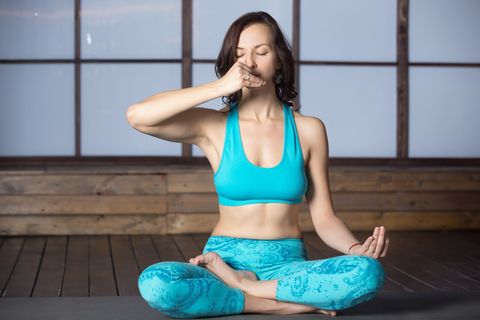
Many people overlook breathing, but it plays a powerful role in recovery. After exercise, your breathing is often fast and shallow. A cool-down is the perfect time to slow it down.
Try this simple breathing pattern:
- Inhale deeply through your nose for 4 seconds
- Hold for 2 seconds
- Exhale slowly through your mouth for 6 seconds
Repeat this for a few minutes while standing or sitting comfortably.
This helps:
- Relax your nervous system
- Reduce stress levels
- Improve mental clarity after workouts
You can also add gentle movements like neck rolls or light yoga poses to enhance relaxation.
Common Mistakes to Avoid During Cool-Downs
Even though cool-down routines are simple, there are a few common mistakes that can reduce their effectiveness.
Skipping the Cool-Down Entirely
The biggest mistake is not doing it at all. Even a short routine is better than none. Consistency matters more than duration.
Rushing Through Stretches
Stretching too quickly doesn’t allow muscles to relax. Take your time and focus on controlled breathing.
Overstretching
Pushing too hard can cause strain. Stretching should feel comfortable, not painful.
Sitting Immediately After Exercise
Stopping suddenly can lead to stiffness and dizziness. Always include at least a minute or two of light movement before resting.
Tailoring Your Cool-Down to Your Workout
Not all workouts are the same, so your cool-down should match what you did.
After Cardio Workouts
If you’ve done running, cycling, or fast walking:
- Walk slowly for a few minutes
- Stretch your legs, especially calves and thighs
- Focus on deep breathing
After Strength Training
If you’ve lifted weights:
- Move your body lightly between sets or after finishing
- Stretch the muscle groups you worked
- Include upper and lower body stretches
After Yoga or Low-Impact Exercise
Even gentle workouts benefit from a cool-down:
- Stay in relaxed poses
- Focus on breathing and stillness
- Let your body fully unwind
Adjusting your routine ensures better recovery and comfort.
Tips to Make Cool-Down Routines a Habit
Building a consistent cool-down habit can take time, especially if you’re used to skipping it. These tips can help:
- Set a reminder at the end of your workout
- Keep your routine short and simple
- Pair it with something enjoyable like calming music
- Treat it as part of your workout, not an extra step
The easier it feels, the more likely you are to stick with it.
When to Modify or Skip Certain Movements
While cool-downs are generally safe, it’s important to listen to your body.
Avoid or adjust stretches if:
- You feel sharp pain
- You have an existing injury
- You experience dizziness or discomfort
In such cases, keep movements gentle and focus more on breathing and relaxation.
Remember, cool-down routines are about recovery, not pushing limits.
The Long-Term Benefits of Consistent Cool-Downs
Over time, consistent cool-down routines can improve your overall fitness experience. You may notice:
- Less stiffness the next day
- Better flexibility and posture
- Improved performance in workouts
- A more relaxed state after exercise
It also helps create a balanced approach to fitness, where recovery is just as important as effort.
Conclusion
Cool-down routines are a simple yet powerful way to support your body after exercise. They help ease the transition from activity to rest, reduce muscle tension, and promote better recovery.
You don’t need a long or complex routine. Just a few minutes of light movement, stretching, and controlled breathing can make a noticeable difference.
Make it a regular part of your workouts, and your body will thank you over time.