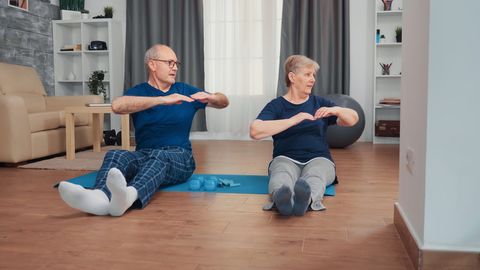
Warm-Up Techniques Guide for Better Performance
This guide explores practical and easy-to-follow warm-up techniques that anyone can include in their routine. By understanding how warm-ups work and applying them consistently, you can move more efficiently and feel more confident in your physical activities.
Understanding Warm-Up Techniques
Warm-up techniques are simple movements or exercises performed before engaging in more intense activity. Their main purpose is to gradually increase your heart rate, improve blood circulation, and prepare your muscles for movement.
A proper warm-up also enhances flexibility and coordination. It signals your body to transition from a resting state to an active one. This preparation can make a noticeable difference in how your body responds during exercise or physical tasks.
Warm-ups are not just for athletes. Anyone who plans to move actively can benefit from them. Even daily tasks like walking, lifting objects, or climbing stairs become easier when your body is properly prepared.
Types of Warm-Up Techniques
There are several types of warm-up techniques, and each serves a specific purpose. Understanding these types helps you choose the right approach for your activity.
1. General Warm-Up
This includes light activities that increase your heart rate. Examples include:
- Walking
- Light jogging
- Gentle cycling
These movements help raise your body temperature and get your blood flowing.
2. Dynamic Warm-Up
Dynamic warm-ups involve controlled movements that mimic the activity you are about to perform. Examples include:
- Arm circles
- Leg swings
- Hip rotations
These movements improve mobility and activate key muscle groups.
3. Activity-Specific Warm-Up
This type focuses on movements directly related to your main activity. For example:
- Light practice drills before sports
- Slow repetitions before strength exercises
It helps your body adapt to the exact motions you will perform.
Warm-Up Duration and Intensity
A warm-up does not need to be long to be effective. In most cases, 10 to 15 minutes is enough. The key is to start slowly and gradually increase intensity.
Your warm-up should never feel exhausting. Instead, it should leave you feeling energized and ready to begin your main activity. If you feel tired before you even start, your warm-up may be too intense.
Benefits of Proper Warm-Up Techniques
Improved Physical Performance
A good warm-up prepares your muscles for action. When your muscles are ready, they respond more efficiently. This can lead to better strength, speed, and coordination.
You may also notice smoother movements and better control during activity.
Reduced Risk of Injury
Warm-up techniques help loosen stiff muscles and joints. This reduces the chances of strains or discomfort during activity.
When your body is prepared, sudden movements are less likely to cause harm.
Better Flexibility and Mobility
Dynamic movements in a warm-up improve your range of motion. This makes it easier to perform exercises or tasks that require flexibility.
Over time, consistent warm-ups can contribute to improved mobility.
Mental Preparation
Warm-ups are not just physical. They also help you focus.
Taking a few minutes to prepare allows your mind to shift toward the task ahead. This can improve concentration and confidence.
Key Warm-Up Techniques to Try
Full-Body Warm-Up Routine
A balanced warm-up should target all major muscle groups. Here is a simple routine:
- Start with 3–5 minutes of light cardio
- Perform arm circles and shoulder rolls
- Add leg swings and gentle lunges
- Finish with torso twists and light stretches
This routine prepares your entire body for activity.
Dynamic Stretching Examples
Dynamic stretching is an effective way to warm up without holding static positions.
Some examples include:
- Walking lunges
- High knees
- Butt kicks
- Arm swings
These movements keep your body active while improving flexibility.
Joint Mobility Exercises
Joint mobility is essential for smooth movement. Simple exercises include:
- Neck rotations
- Wrist circles
- Ankle rolls
- Hip circles
These exercises help reduce stiffness and improve coordination.
Sample Warm-Up Plan
Below is a simple table to guide your warm-up routine:
| Step | Activity Example | Duration | Purpose |
|---|---|---|---|
| Light Cardio | Brisk walking | 3–5 minutes | Increase heart rate |
| Dynamic Movements | Arm circles, leg swings | 4–5 minutes | Improve flexibility |
| Mobility Exercises | Joint rotations | 2–3 minutes | Enhance joint movement |
| Activity Practice | Light drills | 3–5 minutes | Prepare for main activity |
This structure keeps your warm-up organized and effective.
Common Mistakes to Avoid
Skipping Warm-Ups
One of the most common mistakes is skipping warm-ups entirely. This can lead to stiffness and reduced performance.
Even a short warm-up is better than none.
Doing Static Stretching First
Holding stretches for long periods before activity may not be ideal. Static stretching is better suited for cool-down sessions.
Instead, focus on dynamic movements during your warm-up.
Starting Too Fast
Jumping into intense activity without gradual preparation can strain your muscles.
Always begin with light movements and increase intensity slowly.
Ignoring Specific Muscle Groups
Some people focus only on certain areas, like legs or arms. A balanced warm-up should involve the whole body.
Neglecting certain muscles can lead to uneven performance.
Tips for Effective Warm-Up Techniques
Keep It Consistent
Make warm-ups a regular part of your routine. Consistency helps your body adapt and respond better over time.
Match Your Activity
Choose warm-up techniques that align with your main activity. For example, if you plan to run, include leg-focused movements.
Listen to Your Body
Pay attention to how your body feels. Adjust your warm-up intensity based on your comfort level.
Stay Hydrated
Hydration supports muscle function. Drinking enough water before activity can improve your overall experience.
Make It Enjoyable
Warm-ups do not have to feel like a chore. Adding variety or music can make the process more engaging.
Warm-Up Techniques for Different Activities
For Cardio Activities
Focus on gradually increasing your heart rate. Start with walking, then move to light jogging.
For Strength Training
Use light weights or bodyweight exercises to prepare your muscles. This helps improve control and form.
For Sports
Include drills that mimic game movements. This prepares your body for quick actions and coordination.
For Daily Movement
Even simple activities like stretching and walking can serve as a warm-up for daily tasks.
Conclusion
Warm-up techniques are a simple yet powerful way to prepare your body for activity. They improve performance, reduce the risk of discomfort, and help you move with confidence.
By incorporating a short and structured warm-up into your routine, you can enhance both physical and mental readiness. The key is to stay consistent and choose movements that match your activity.
Start small, keep it simple, and make warm-ups a natural part of your day. Over time, you will notice smoother movements and a more comfortable experience during physical activity.