Breathing Techniques Guide for Calm and Focus
In this guide, you’ll explore practical and easy-to-follow breathing methods that fit into everyday life. No complicated steps—just simple habits that can make a noticeable difference.
Understanding Breathing Techniques
Breathing techniques are intentional ways of controlling your breath. Instead of shallow or rushed breathing, these methods encourage slow, steady, and mindful patterns.
When you breathe deeply and calmly, your body receives signals to relax. This can help reduce feelings of tension and improve mental clarity.
Many people naturally shift to shallow breathing during stress. Learning to control your breath helps bring your body back to a more balanced state.
Why Breathing Matters in Daily Life
Your breath is closely connected to your body’s response system. When you're anxious or overwhelmed, your breathing often becomes fast and shallow.
Practicing mindful breathing can help:
- Promote relaxation and calmness
- Improve focus and concentration
- Support emotional balance
- Encourage better sleep patterns
- Increase awareness of your body
These effects don’t happen instantly, but with consistent practice, you may notice steady improvements.
Common Types of Breathing Techniques
There are many breathing styles, but some are easier to learn and practice daily. Below are a few popular techniques you can start with.
Diaphragmatic Breathing (Belly Breathing)
This technique focuses on breathing deeply into your abdomen rather than your chest.
How to practice:
- Sit or lie down comfortably
- Place one hand on your chest and one on your belly
- Inhale slowly through your nose
- Let your belly rise as you breathe in
- Exhale slowly through your mouth
This method encourages deeper breathing and can help you feel more relaxed.
Box Breathing
Box breathing follows a simple rhythm and is easy to remember.
Steps:
- Inhale for 4 seconds
- Hold for 4 seconds
- Exhale for 4 seconds
- Hold again for 4 seconds
Repeat this cycle for a few minutes. It’s often used to improve focus and maintain calmness during busy moments.
4-7-8 Breathing
This technique focuses on a longer exhale, which can feel soothing.
Steps:
- Inhale for 4 seconds
- Hold for 7 seconds
- Exhale slowly for 8 seconds
Practice this gently without forcing your breath. It can be helpful before bedtime or when you want to relax.
Comparing Popular Breathing Techniques
Below is a simple comparison to help you choose what suits you best:
| Technique | Best For | Difficulty Level | Time Needed |
|---|---|---|---|
| Diaphragmatic | Relaxation, awareness | Easy | 5–10 minutes |
| Box Breathing | Focus, calm thinking | Easy | 2–5 minutes |
| 4-7-8 Breathing | Wind-down, sleep prep | Moderate | 3–5 minutes |
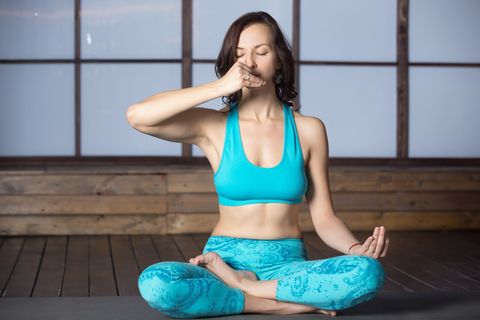
| Alternate Nostril | Balance, mindfulness | Moderate | 5–10 minutes |
Each method has its own rhythm and purpose. You can try different ones and see what feels natural.
When and How to Practice Breathing Techniques
You don’t need a special setting to practice breathing techniques. They can fit easily into your daily routine.
Best Times to Practice
- Morning: Start your day with calm focus
- During breaks: Reset your mind during busy hours
- Before sleep: Ease into a restful state
- After stressful moments: Regain balance
Even a few minutes can make a difference when done regularly.
Creating a Comfortable Practice Routine
Consistency matters more than duration. Start small and build gradually.
Tips for building a habit:
- Choose a quiet, comfortable place
- Keep your posture relaxed
- Avoid forcing your breath
- Practice at the same time daily
- Be patient with yourself
It’s normal to feel distracted at first. With time, your focus will improve.
Tips for Effective Breathing Practice
To get the most out of breathing techniques, it helps to follow a few simple guidelines.
Stay Gentle and Natural
Your breath should feel smooth, not forced. If a technique feels uncomfortable, slow down or try a simpler one.
Focus on Awareness
Pay attention to how your body feels as you breathe. Notice the movement of your chest and belly.
This awareness helps you stay present and connected.
Start Small
You don’t need long sessions. Even 2–3 minutes of mindful breathing can be helpful.
As you become more comfortable, you can gradually increase your practice time.
Combine with Daily Activities
You can practice breathing techniques while:
- Sitting at your desk
- Walking slowly
- Waiting in line
- Taking a break
This makes it easier to stay consistent without setting aside extra time.
Common Mistakes to Avoid
While breathing techniques are simple, a few common mistakes can reduce their effectiveness.
- Breathing too fast
- Holding breath for too long
- Forcing deep breaths
- Practicing inconsistently
- Expecting immediate results
The key is to stay relaxed and patient. Progress happens gradually.
Conclusion
Breathing techniques are simple yet powerful tools for improving your daily well-being. They don’t require special equipment or long hours—just a few mindful moments each day.
By practicing regularly, you can build a habit that supports calmness, focus, and balance. Start with a technique that feels comfortable and slowly explore others over time.
Small, consistent steps can lead to meaningful changes in how you feel and respond to everyday life.