Core Strength Workouts Guide for Better Stability
In this guide, you’ll learn practical ways to build a stronger core using effective exercises, including weighted routines like kettlebell and dumbbell workouts.
What Is Core Strength and Why It Matters
Core strength refers to the power and stability of the muscles around your abdomen, lower back, hips, and pelvis. These muscles work together to support your spine and help you move efficiently.
A well-developed core can help with:
- Better posture during sitting and standing
- Improved balance and coordination
- Reduced risk of minor injuries during exercise
- Enhanced performance in sports and daily tasks
Many people think core strength exercises are only about abs, but they actually involve multiple muscle groups working together.
Core Muscle Exercises for a Strong Foundation
To build a solid base, you need a mix of movements that target different parts of your core. These include your upper abs, lower abs, obliques, and deep stabilizing muscles.
Here are some effective core muscle exercises to include:
- Plank: A classic move that builds endurance and stability
- Dead Bug: Great for coordination and control
- Bird Dog: Helps improve balance and spinal alignment
- Leg Raises: Targets lower abdominal muscles
- Russian Twists: Engages obliques and rotational strength
These exercises to strengthen core muscles can be done without equipment, making them accessible for beginners.
Adding Weights: Kettlebell and Dumbbell Workouts
Once you’re comfortable with basic movements, adding resistance can increase intensity and results. Weighted routines challenge your muscles in new ways and help build strength faster.
Kettlebell Core Workout Basics
A kettlebell core workout combines strength and stability in dynamic movements. The uneven weight distribution forces your core to work harder.
Popular kettlebell exercises include:
- Kettlebell Swings: Engages the entire core while improving power
- Turkish Get-Up: A full-body movement requiring strong core control
- Kettlebell Windmill: Targets obliques and improves flexibility
- Plank Drag: Enhances core stability under load
An ab kettlebell workout is especially effective for combining cardio and strength in one routine.
Core Dumbbell Workout Ideas
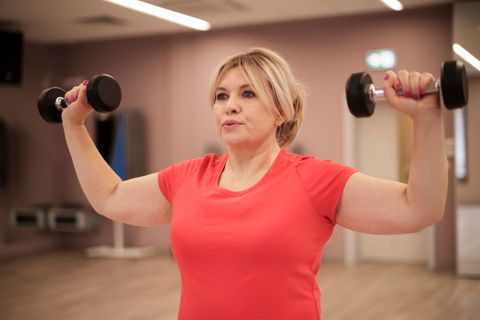
Dumbbells are versatile and easy to use for building core strength. They allow controlled movements and progressive resistance.
Try these core dumbbell workout options:
- Dumbbell Side Bend: Strengthens obliques
- Weighted Sit-Up: Adds resistance to traditional ab work
- Dumbbell Russian Twist: Improves rotational strength
- Renegade Rows: Combines upper body and core stability
An abdominal workout with weights like this helps engage deeper muscles that bodyweight exercises might miss.
Core Stabilization Exercises for Balance and Control
Core stabilization exercises focus on maintaining control rather than movement. These are essential for injury prevention and improving posture.
Key core stabilization exercises include:
- Plank Variations (side plank, forearm plank)
- Stability Ball Rollouts
- Pallof Press
- Single-Leg Balance Holds
A core stability workout helps your body resist unwanted movement, which is just as important as creating movement.
Sample Core Workout Plan
Here’s a simple weekly structure combining different types of exercises:
| Day | Focus Area | Example Exercises |
|---|---|---|
| Monday | Bodyweight Core Strength | Plank, Dead Bug, Leg Raises |
| Wednesday | Weighted Core Training | Dumbbell Twists, Weighted Sit-Ups |
| Friday | Kettlebell Core Workout | Swings, Windmill, Plank Drag |
| Saturday | Core Stability Workout | Side Plank, Pallof Press, Bird Dog |
This balanced approach ensures all aspects of core strength are covered.
Tips to Improve Your Core Strength Safely
Building a strong core takes time and consistency. Here are some practical tips to help you stay on track:
- Focus on form first: Proper technique matters more than speed
- Start light with weights: Gradually increase resistance
- Engage your core consciously: Don’t let other muscles take over
- Breathe properly: Avoid holding your breath during exercises
- Stay consistent: Regular practice leads to steady progress
Avoid rushing into advanced routines. Progress gradually to prevent strain.
Common Mistakes to Avoid
Even with the right exercises, mistakes can limit your results. Watch out for these:
- Overtraining the abs without rest
- Ignoring lower back and hip muscles
- Using momentum instead of control
- Skipping warm-up and cool-down
Balancing strength and recovery is key to long-term improvement.
Conclusion
Core strength is essential for a healthy, active lifestyle. It supports your body in almost every movement, from simple tasks to demanding workouts.
By combining bodyweight movements, core stabilization exercises, and weighted routines like kettlebell core workout and core dumbbell workout, you can build a well-rounded and effective fitness plan.
Stay consistent, focus on proper technique, and gradually challenge yourself. Over time, you’ll notice better balance, improved posture, and stronger overall performance.