Low Impact Exercise for Seniors: A Helpful Guide
These gentle movements help improve mobility, support heart health, and build confidence without putting too much stress on the body. Whether someone is just starting a fitness routine or returning after a long break, low impact activities can offer a safe and comfortable way to stay active.
Why Low Impact Exercise Matters for Seniors
Low impact workouts are designed to reduce stress on the joints while still keeping the body moving. Unlike high-impact activities that involve jumping or sudden movements, these exercises are smoother and easier on the knees, hips, and back.
Many seniors choose low impact exercise for elderly adults because it supports daily movement without causing excessive strain. Regular exercise can also help improve flexibility, circulation, posture, and mood.
Here are a few benefits of low impact exercise for older adults:
- Supports joint comfort
- Helps maintain balance and coordination
- Encourages healthy blood flow
- Builds muscle strength gradually
- Improves energy levels
- Supports healthy aging habits
Even light movement for 20 to 30 minutes a day can make a positive difference over time.
Best Types of Low Impact Exercise Seniors Can Try
There are many forms of low impact exercise seniors can enjoy depending on fitness level and personal comfort. The key is choosing activities that feel manageable and enjoyable.
Walking for Daily Movement
Walking is one of the simplest and most effective forms of low impact cardio for seniors. It requires no complicated equipment and can be adjusted based on pace and stamina.
Short walks around the neighborhood, in a park, or indoors can help support heart health and improve endurance. Comfortable shoes and proper posture are important for safety.
For beginners:
- Start with 10 minutes daily
- Walk on even surfaces
- Increase time slowly each week
Chair Exercises for Stability
Chair exercises are excellent for seniors with balance concerns or limited mobility. These movements allow older adults to stay active while remaining supported.
Common chair exercises include:
- Seated leg lifts
- Arm circles
- Gentle stretching
- Seated marching
This type of low impact workout for seniors can help strengthen muscles while reducing the risk of falls.
Water Aerobics and Swimming
Water-based activities are ideal for aging joints because the water helps support body weight. Swimming and water aerobics offer full-body movement with minimal strain.
Many people enjoy low impact aerobic exercise for seniors in a pool because it feels refreshing and comfortable. Water resistance also helps improve muscle tone naturally.
Gentle Yoga and Stretching
Yoga can improve flexibility, breathing, and relaxation. Seniors often benefit from slower styles of yoga that focus on balance and gentle movement.
Simple stretching exercises may help reduce stiffness and improve mobility. Regular stretching can also support better posture and easier daily movement.
Cycling on a Stationary Bike
Stationary cycling is another safe option for low impact cardio exercises for seniors. It helps increase heart rate while protecting the knees and hips from heavy impact.
Many seniors prefer indoor bikes because they provide stability and allow exercise regardless of weather conditions.
Understanding Low Impact Cardio for Seniors
Cardio exercise helps the heart and lungs function more efficiently. Many seniors assume cardio must be intense, but that is not true. Low impact cardio for seniors focuses on steady movement rather than speed or intensity.
Some examples include:
- Walking
- Light dancing
- Water aerobics
- Stationary cycling
- Slow-paced aerobic routines
The goal is to move consistently while staying comfortable. Seniors should be able to talk during exercise without feeling overly breathless.
Recommended Weekly Activity Table
| Activity Type | Suggested Time | Benefits |
|---|---|---|
| Walking | 20–30 minutes | Supports heart health and stamina |
| Chair Exercises | 15–20 minutes | Improves stability and strength |
| Stretching | 10–15 minutes | Helps flexibility and mobility |
| Water Aerobics | 30 minutes | Gentle full-body movement |
| Stationary Cycling | 15–25 minutes | Encourages low impact cardio |
This schedule can be adjusted based on energy level, mobility, and personal comfort.
Tips for Starting a Low Impact Workout Seniors Can Enjoy
Beginning a new exercise routine does not need to feel overwhelming. Small, consistent steps are often more effective than doing too much too quickly.
Start Slowly and Build Gradually
Many older adults benefit from easing into movement. Starting with shorter sessions allows the body to adjust comfortably.
It is completely fine to begin with:
- 10-minute walks
- Gentle stretching
- Simple seated movements
Over time, stamina and confidence often improve naturally.
Listen to the Body
Pain should never be ignored during exercise. Mild muscle soreness can happen, but sharp pain or dizziness should be taken seriously.
Seniors should stop exercising if they feel:
- Chest discomfort
- Severe shortness of breath
- Sudden dizziness
- Joint pain that worsens
Choosing comfortable movements is one of the most important parts of safe low impact exercise for seniors.
Stay Consistent
Consistency matters more than intensity. A simple routine done several times a week is usually more helpful than occasional hard workouts.
Some seniors find it helpful to:
- Exercise at the same time daily
- Keep a movement journal
- Walk with a friend
- Use music for motivation
Creating a routine often makes exercise feel more enjoyable.
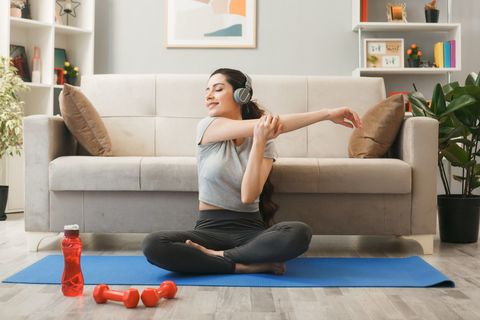
Low Impact Aerobic Exercise for Seniors at Home
Not everyone wants to visit a gym or fitness center. Fortunately, many low impact workouts can be done comfortably at home.
Easy At-Home Exercises
Seniors can create a simple home routine with exercises like:
- Side leg raises
- Marching in place
- Heel-to-toe walking
- Shoulder rolls
- Gentle stretching
These movements require very little space and can often be completed in under 30 minutes.
Using Light Resistance
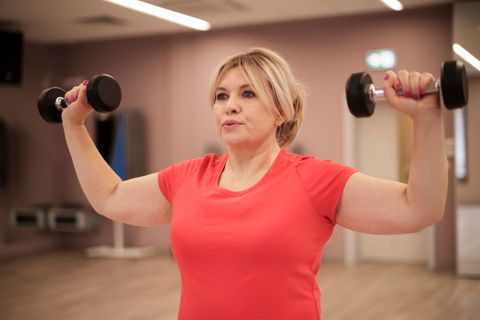
Light resistance bands or small hand weights may help improve strength safely. The focus should remain on controlled movement rather than heavy lifting.
A balanced low impact workout for seniors often includes:
- Cardio movement
- Flexibility exercises
- Strength-building activities
Combining these elements supports overall mobility and independence.
Common Mistakes Seniors Should Avoid
While low impact exercise is generally gentle, a few common mistakes can still cause discomfort or frustration.
Doing Too Much Too Soon
Excitement can sometimes lead people to overexercise at the beginning. Gradual progress is safer and easier to maintain.
Ignoring Warm-Ups
Warm-up movements help prepare the muscles and joints for activity. Even five minutes of gentle movement can help reduce stiffness.
Skipping Hydration
Older adults may not always feel thirsty, but hydration remains important during physical activity. Drinking water before and after exercise can support comfort and recovery.
Wearing Unsupportive Footwear
Supportive shoes can help improve stability and reduce unnecessary pressure on the feet and joints.
How Exercise Supports Healthy Aging
Regular movement can positively affect both physical and emotional wellness. Many seniors report feeling more energetic and independent when they stay active consistently.
Low impact exercise for elderly adults may help support:
- Better sleep habits
- Improved daily mobility
- Increased confidence
- Social interaction opportunities
- Overall quality of life
Exercise does not need to be complicated to be effective. Simple activities performed regularly can encourage healthy movement habits for years to come.
Creating a Comfortable Routine
The best exercise routine is one that feels sustainable. Seniors should choose activities they genuinely enjoy and can safely continue over time.
Helpful ways to stay motivated include:
- Setting realistic goals
- Tracking progress weekly
- Exercising with family or friends
- Trying different activities occasionally
A flexible routine often works better than a strict schedule. Some days may involve walking, while others focus on stretching or chair exercises.
Conclusion
Staying active is an important part of healthy aging, and gentle movement can offer meaningful benefits without excessive strain. Low impact exercise for seniors provides a safe and approachable way to support strength, mobility, balance, and overall wellness.
Whether it involves walking, stretching, swimming, or chair exercises, consistent movement can help older adults stay independent and active in daily life. The key is choosing comfortable activities, moving at a steady pace, and building healthy habits gradually.
With patience and consistency, low impact cardio exercises for seniors can become an enjoyable part of everyday living.