Joint Friendly Workouts Guide for Everyday Fitness
Whether you are easing back into exercise or looking for safer ways to stay active, low-impact routines can help you build consistency without discomfort. This guide explores practical workout ideas, movement tips, and simple ways to make exercise more comfortable for your joints.
Understanding Joint Friendly Workouts
Joint friendly workouts focus on movements that reduce stress on the knees, hips, ankles, and lower back. These exercises are often low impact, meaning they avoid repeated pounding or hard landings.
Unlike high-impact routines that involve jumping or fast direction changes, joint friendly exercises allow the body to move smoothly and safely. They are suitable for beginners, older adults, people recovering from physical strain, or anyone wanting a gentler fitness routine.
Some common examples include:
- Walking on even surfaces
- Cycling
- Swimming
- Pilates
- Yoga
- Strength training with controlled movements
- Resistance band workouts
The goal is to improve mobility and fitness while helping the joints feel supported instead of overloaded.
Why Low Impact Exercise Matters
Low-impact movement helps reduce unnecessary strain while still challenging the muscles and heart. It can also support better posture, flexibility, and balance over time.
People often assume intense workouts are the only way to stay fit. In reality, consistent movement matters more than high intensity. A well-designed cardio workout knee friendly routine can still raise the heart rate and improve endurance without aggressive movements.
Benefits of Joint Friendly Cardio
Joint friendly cardio offers several advantages for daily health and long-term movement.
| Benefit | How It Helps |
|---|---|
| Reduced joint stress | Limits impact on knees and hips |
| Improved circulation | Supports heart and lung health |
| Better mobility | Keeps muscles and joints active |
| Easier recovery | Lower strain after workouts |
| Increased consistency | More comfortable for regular exercise |
These workouts can also help people feel more confident about staying active without fear of discomfort.
Best Joint Friendly Exercises to Try
Many low-impact exercises can be adjusted for different fitness levels. The key is to focus on smooth movement and proper form.
Walking
Walking is one of the easiest ways to stay active. A brisk walk improves circulation, endurance, and lower body strength without heavy joint impact.
Choose supportive shoes and walk on softer surfaces when possible, such as tracks or smooth trails.
Cycling
Cycling keeps the body moving while reducing pressure on the knees and ankles. Stationary bikes are especially useful for controlled resistance and stable movement.
This makes cycling a strong option for people searching for knee friendly exercise ideas that still feel energetic.
Swimming and Water Aerobics
Water naturally supports body weight, which helps reduce pressure on the joints. Swimming and water workouts are ideal for improving flexibility and cardiovascular health with minimal strain.
The water also creates gentle resistance that helps strengthen muscles.
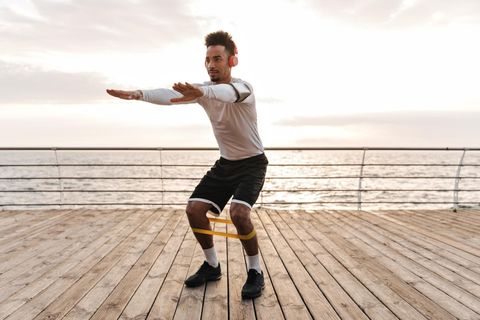
Resistance Band Training
Resistance bands provide strength training without heavy weights. They allow smooth and controlled movement patterns that are easier on sensitive joints.
Exercises such as seated rows, leg presses, and shoulder pulls work well in low impact joint friendly exercises routines.
Yoga and Stretching
Gentle stretching improves flexibility and body awareness. Yoga can help reduce stiffness while encouraging controlled breathing and balance.
Choose beginner-friendly classes or slow-flow routines that avoid sudden transitions.
How to Build a 30 Minute Knee Friendly Workout
A simple routine does not need complicated equipment or difficult moves. A balanced 30 minute knee friendly workout can include cardio, strength, and flexibility exercises.
Here is a sample structure:
Warm-Up (5 Minutes)
Start slowly to prepare the muscles and joints.
Try:
- Shoulder rolls
- Marching in place
- Arm circles
- Gentle leg swings
- Slow walking
Cardio Section (10 Minutes)
Choose low-impact movements that increase the heart rate without jumping.
Examples:
- Fast-paced walking
- Stationary cycling
- Step-touch movements
- Low-impact dance moves
This type of joint friendly cardio helps improve stamina while staying comfortable on the knees.
Strength Section (10 Minutes)
Focus on controlled exercises that support the muscles around the joints.
Examples:
- Wall sits
- Glute bridges
- Seated leg lifts
- Resistance band rows
- Standing calf raises
Strong muscles help support the joints during everyday movement.
Cool Down and Stretching (5 Minutes)
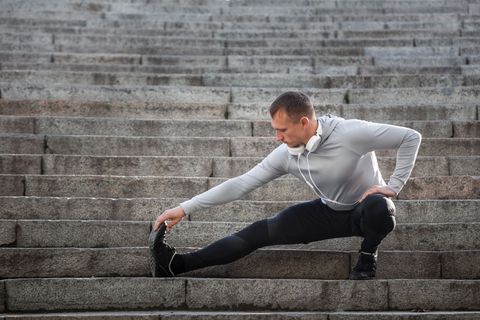
End with slow stretches and breathing exercises.
Focus on:
- Hamstrings
- Calves
- Hips
- Lower back
- Shoulders
A proper cooldown helps reduce stiffness after exercise.
Can HIIT Be Knee Friendly?
High-intensity interval training does not always require jumping or explosive moves. A knee friendly cardio hiit workout can still provide energy and variety while keeping movements controlled.
The idea is to alternate between short periods of activity and recovery using low-impact exercises.
Sample Knee Friendly Cardio HIIT Routine
| Exercise | Time |
|---|---|
| March in place | 40 seconds |
| Rest | 20 seconds |
| Side steps | 40 seconds |
| Rest | 20 seconds |
| Seated punches | 40 seconds |
| Rest | 20 seconds |
| Low-impact squats | 40 seconds |
| Rest | 20 seconds |
Repeat the cycle several times based on comfort and fitness level.
This style of knee friendly cardio hiit allows people to challenge themselves without constant impact on the joints.
Common Mistakes That Can Stress the Joints
Even gentle workouts can become uncomfortable when form and recovery are ignored. Paying attention to movement quality is important.
Skipping Warm-Ups
Cold muscles and stiff joints are more likely to feel strained. A short warm-up prepares the body for activity.
Doing Too Much Too Soon
Increasing intensity too quickly may lead to discomfort. Progress slowly and allow the body to adjust over time.
Ignoring Footwear
Supportive shoes help absorb pressure and improve balance. Worn-out footwear may increase stress on the knees and ankles.
Poor Exercise Form
Fast or uncontrolled movements can place unnecessary pressure on the joints. Focus on smooth and stable motion.
Tips to Make Workouts More Comfortable
A few simple adjustments can improve the overall exercise experience.
Choose Softer Surfaces
Rubber tracks, yoga mats, and padded flooring can reduce impact compared to hard concrete surfaces.
Stay Hydrated
Proper hydration supports muscle function and joint comfort during movement.
Listen to Your Body
Mild muscle fatigue is normal, but sharp pain is not. Adjust exercises when needed and avoid forcing uncomfortable movements.
Mix Different Activities
Combining walking, stretching, cycling, and strength training can prevent overuse and keep routines more enjoyable.
Who Can Benefit From Joint Friendly Workouts?
These workouts are suitable for many lifestyles and fitness levels.
People who often benefit include:
- Beginners starting an exercise routine
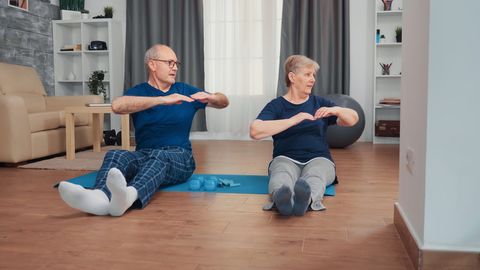
- Older adults
- Individuals with sensitive knees
- People returning after inactivity
- Office workers with stiffness from sitting
- Anyone wanting sustainable exercise habits
The flexibility of low impact joint friendly exercises makes them easier to adapt for different goals and comfort levels.
How Often Should You Exercise?
Consistency matters more than intensity. Many people do well with three to five sessions each week depending on energy levels and recovery.
Short sessions can still be effective. Even a daily 20-minute walk or gentle stretching session contributes to overall movement and mobility.
Rest days are also important. Recovery gives muscles and joints time to adapt and stay comfortable.
Conclusion
Exercise should support your body, not leave it feeling worn down. Joint friendly workouts offer a practical way to stay active while reducing unnecessary stress on the knees and other joints.
From walking and cycling to strength training and stretching, there are many ways to build a routine that feels manageable and sustainable. Whether you prefer a steady cardio workout knee friendly routine or a gentle knee friendly cardio hiit session, low-impact movement can help improve fitness while keeping comfort in mind.
Starting small and staying consistent often leads to better long-term results than pushing too hard too quickly. With the right exercises and a balanced routine, staying active can become more comfortable and enjoyable every day.