Strength Conditioning Basics Guide for Beginners
This guide breaks down key ideas in a simple, practical way so you can apply them right away.
What Is Strength and Conditioning?
Strength and conditioning refers to a structured approach to improving physical performance. It combines strength training, endurance work, flexibility, and recovery methods into one system.
A strength and conditioning coach often designs programs tailored to specific goals. These might include improving athletic performance, supporting daily fitness, or enhancing endurance for activities like running.
The concept is widely supported by organizations like NSCA, which focus on evidence-based training principles. While you don’t need to be cscs certified to begin, understanding these foundations can help you train smarter.
Why It Matters
Strength and conditioning isn’t just for athletes. It benefits anyone who wants to:
- Build strength safely
- Improve stamina and endurance
- Reduce injury risk
- Enhance overall movement and mobility
Even beginners can see progress with consistent effort and proper guidance.
Key Components of Strength and Conditioning
A well-rounded program includes several elements. Each plays a unique role in building fitness.
Strength Training
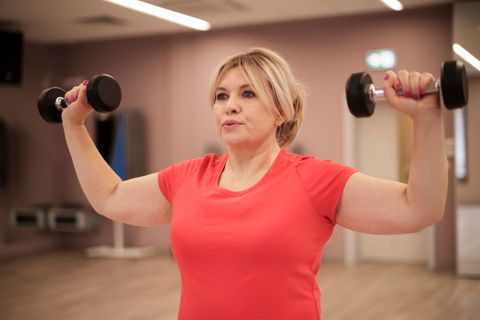
This focuses on building muscle and improving power. It includes exercises like squats, push-ups, and resistance training.
Strength training helps:
- Improve posture
- Increase bone strength
- Support joint stability
For beginners, starting with bodyweight exercises is often a good approach.
Endurance and Conditioning
Conditioning and strength go hand in hand. Conditioning improves how long you can sustain physical activity.
This includes:
- Running
- Cycling
- Interval training
Strength and conditioning for runners often combines strength work with endurance drills. This helps improve running efficiency and reduces fatigue.
Mobility and Flexibility
Mobility ensures your joints move freely. Flexibility allows muscles to stretch properly.
Both are essential for:
- Preventing injuries
- Improving performance
- Supporting recovery
Simple stretching routines or mobility drills can be added to any workout.
Recovery
Recovery is often overlooked but is just as important as training.
It includes:
- Rest days
- Sleep
- Light movement like walking
Without recovery, progress slows and injury risk increases.
Strength and Conditioning for Beginners
Starting something new can feel overwhelming, but strength and conditioning for beginners doesn’t have to be complicated.
How to Begin
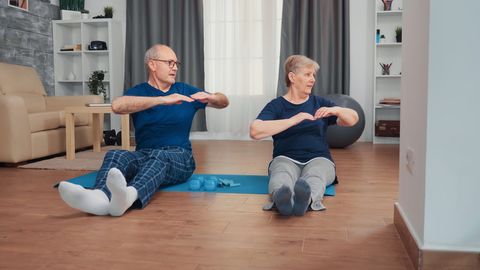
Focus on simple movements and consistency. You don’t need advanced equipment or complex routines.
A beginner-friendly approach includes:
- 2–3 training sessions per week
- Basic exercises like squats, lunges, and push-ups
- Short conditioning sessions like brisk walking or light jogging
The goal is to build a habit, not to push too hard too soon.
Common Mistakes to Avoid
Many beginners make similar mistakes when starting out:
- Doing too much too quickly
- Skipping warm-ups or cool-downs
- Ignoring proper form
- Not allowing enough recovery time
Taking a gradual approach leads to better long-term results.
Sample Weekly Structure
Here’s a simple example of how a beginner might structure their week:
| Day | Activity |
|---|---|
| Monday | Strength training (full body) |
| Tuesday | Light conditioning (walking/jog) |
| Wednesday | Rest or mobility work |
| Thursday | Strength training |
| Friday | Conditioning session |
| Saturday | Active recovery (stretching) |
| Sunday | Rest |
This balanced routine supports both conditioning and strength development.
Strength and Conditioning for Runners
Runners often focus only on mileage, but adding strength work can improve performance significantly.
Why Runners Need Strength Training
Strength training helps runners:
- Improve running posture
- Increase stride efficiency
- Reduce injury risk
A sports and conditioning coach may include exercises targeting the legs, core, and hips.
Effective Exercises for Runners
Some useful movements include:
- Squats for leg strength
- Lunges for balance and stability
- Planks for core support
These exercises complement running rather than replace it.
Balancing Running and Strength Work
The key is balance. Too much strength work can interfere with running, while too little may limit progress.
A simple approach:
- 2 strength sessions per week
- 3–4 running sessions
- At least one rest day
This allows both systems to develop without overloading the body.
Role of a Strength Conditioning Coach
A strength conditioning coach helps guide training in a structured and safe way. They understand how to combine different elements of fitness into a cohesive plan.
What They Focus On
A sports and conditioning coach typically works on:
- Movement quality
- Program design
- Progress tracking
They may also adjust routines based on individual goals or limitations.
Importance of Certification
Some coaches pursue certifications like cscs certified credentials. These indicate a deeper understanding of training science.
While certification is valuable, the most important factor is applying safe and effective practices.
Tips for Effective Strength and Conditioning
Building a routine takes time and consistency. These tips can help you stay on track.
Keep It Simple
You don’t need a complicated plan. Focus on:
- Basic movements
- Gradual progress
- Consistency over intensity
Simple routines are easier to maintain.
Focus on Form
Good technique prevents injuries and improves results.
Take time to:
- Learn proper movement patterns
- Start with lighter resistance
- Increase intensity gradually
Listen to Your Body
Not every day will feel the same. Pay attention to signs of fatigue or discomfort.
Adjust your routine when needed instead of pushing through pain.
Stay Consistent
Progress comes from regular effort. Even short sessions can make a difference if done consistently.
Aim for steady improvement rather than quick results.
Conclusion
Strength conditioning is a practical and effective way to improve overall fitness. By combining strength training, endurance, mobility, and recovery, you create a balanced approach that supports long-term health.
Whether you’re exploring strength and conditioning for beginners or adding it to your running routine, the key is consistency and simplicity. Start with small steps, focus on proper form, and gradually build your routine.
With time, strength and conditioning becomes more than a workout—it becomes a sustainable part of a healthy lifestyle.