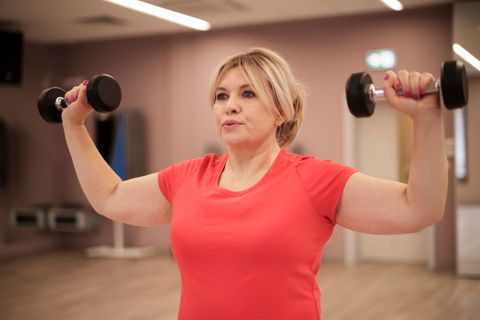
Gentle Exercise Routine Guide for Daily Flexibility
Whether you are starting fresh, returning after a break, or looking for low-impact movement, gentle exercises can make physical activity feel more approachable. The key is consistency, not intensity.
Why a Gentle Exercise Routine Matters
Exercise does not always need to feel exhausting to be effective. A gentle workout focuses on smooth movement, light stretching, and controlled activity. These routines are suitable for many age groups and fitness levels.
A gentle daily exercise routine may help with:
- Improving flexibility
- Supporting joint mobility
- Encouraging better posture
- Boosting circulation
- Reducing stiffness from sitting too long
- Supporting energy and mood
People who spend long hours at desks or live a less active lifestyle often benefit from adding simple movement into their day.
Understanding Gentle Stretching Exercises
Gentle stretching exercises are designed to slowly lengthen muscles and increase movement without strain. Unlike intense training sessions, stretching routines focus on comfort and control.
These stretches are especially useful in the morning or after long periods of sitting. They can also help the body feel more relaxed before bedtime.
Common Features of Gentle Stretching
A full body stretch gentle routine for flexibility usually includes:
| Stretch Type | Main Focus | Suggested Time |
|---|---|---|
| Neck Stretch | Reduces tension | 20–30 seconds |
| Shoulder Roll | Improves mobility | 10 repetitions |
| Hamstring Stretch | Supports leg flexibility | 20 seconds each side |
| Cat-Cow Stretch | Helps spinal movement | 8–10 repetitions |
| Calf Stretch | Eases lower leg tightness | 20 seconds |
| Seated Twist | Encourages back flexibility | 15 seconds each side |
These movements should feel comfortable and controlled. Stretching should never cause sharp pain.
Gentle Workouts for Beginners
Starting a fitness routine can feel overwhelming. Gentle workouts for beginners offer a simple way to build confidence and consistency.
The goal is not speed or intensity. Instead, focus on learning movement patterns and listening to your body.
Beginner-Friendly Activities
A gentle exercise program for beginners may include:
- Walking at a relaxed pace
- Light stretching
- Chair exercises
- Easy yoga poses
- Slow bodyweight movements
- Gentle cardio workout sessions
Many beginners find that short sessions work best at first. Even 10 to 15 minutes of movement each day can create a healthy routine.
Tips for Starting Slowly
Focus on Comfort
Wear comfortable clothing and move at a pace that feels natural. There is no need to rush through exercises.
Build a Routine Gradually
Start with a few movements and add more over time. Consistency matters more than long workouts.
Stay Hydrated
Drinking water before and after movement can support overall comfort during exercise.
Gentle Stretching Exercises for Seniors
Gentle stretching exercises for seniors are often designed to support balance, mobility, and flexibility. Low-impact movement can help older adults stay active while reducing unnecessary strain on joints.
These exercises are usually simple and controlled, making them easier to perform safely.
Helpful Stretching Ideas for Seniors
Seated Shoulder Stretch
Sit comfortably and gently bring one arm across the body. Hold for a few seconds before switching sides.
Ankle Circles
Lift one foot slightly and rotate the ankle slowly in both directions.
Standing Side Stretch
Reach one arm overhead and lean gently to the side while keeping both feet grounded.
Chair Marching
While seated, slowly lift one knee at a time in a marching motion.
These movements are often included in a gentle exercise program because they encourage mobility without requiring intense effort.
Creating a Gentle Daily Exercise Routine
A structured routine makes it easier to stay active consistently. The best routines are realistic, flexible, and easy to maintain.
Example of a Simple Daily Routine
Morning Stretching – 10 Minutes
Start the day with gentle stretching exercises to wake up the body. Focus on the neck, shoulders, back, and legs.
Midday Movement – 15 Minutes
Take a relaxed walk or perform a gentle cardio workout indoors.
Evening Flexibility Session – 10 Minutes
End the day with light stretches to release tension and encourage relaxation.
This type of schedule can fit into many lifestyles without feeling overwhelming.
What Makes a Gentle Cardio Workout Effective
Cardio exercise does not always require high intensity. A gentle cardio workout focuses on steady movement that raises the heart rate gradually.
Examples include:
- Slow walking
- Low-impact dancing
- Cycling at an easy pace
- Water aerobics
- Marching in place
- Light step exercises
Gentle cardio can support endurance and circulation while remaining easier on the joints.
Signs You Are Exercising at a Comfortable Pace
You are likely moving at a gentle level if:
- You can still talk comfortably
- Breathing feels steady
- Movements feel controlled
- Your body does not feel strained afterward
A comfortable pace often encourages people to stay consistent over time.
Full Body Stretch Gentle Routine for Flexibility
A balanced stretching routine should include all major muscle groups. This helps support overall flexibility and body awareness.
Easy Full Body Stretch Sequence
Neck Tilt
Lower one ear toward the shoulder and hold gently.
Shoulder Stretch
Extend one arm across the chest and hold.
Side Reach
Raise both arms overhead and stretch upward.
Forward Fold
Bend slightly forward while keeping knees soft.
Hip Stretch
Sit comfortably and gently rotate the hips.
Calf Stretch
Place hands on a wall and step one foot back.
This full body stretch gentle routine for flexibility can be completed in about 10 to 15 minutes.
Benefits of a Gentle Exercise Program
A gentle exercise program can be adapted to different fitness levels and daily schedules. Many people appreciate the flexibility and manageable pace of these routines.
Physical Benefits
- Better movement and flexibility
- Improved balance and coordination
- Reduced stiffness
- Increased daily activity levels
Lifestyle Benefits
- Easier to maintain consistently
- Suitable for home routines
- Can fit into busy schedules
- Encourages healthy movement habits
Gentle exercise routines are often easier to continue long term because they feel more sustainable.
Common Mistakes to Avoid
Even low-impact exercise should be approached thoughtfully.
Skipping Warm-Ups
Starting too quickly can make muscles feel tight. Begin with light movement before stretching.
Overstretching
Stretching too deeply may cause discomfort. Move slowly and avoid forcing positions.
Ignoring Rest
The body still needs recovery, even with gentle movement.
Doing Too Much Too Soon
A gradual approach helps build consistency and comfort over time.
How to Stay Motivated With Gentle Workouts
Creating healthy habits takes time. Simple strategies can help make exercise feel more enjoyable.
Choose Activities You Enjoy
Walking, stretching, or dancing can all count as movement. Pick activities that feel comfortable and interesting.
Keep Sessions Short
Short routines often feel easier to maintain than long workouts.
Track Progress
Notice improvements in flexibility, comfort, or energy rather than focusing only on performance.
Exercise With Others
Gentle movement can become more enjoyable when shared with family or friends.
Adapting Exercises for Different Needs
One advantage of gentle workouts is flexibility. Movements can often be modified depending on comfort level and mobility.
For example:
- Chair-based exercises may help those with balance concerns
- Wall support can improve stability during standing stretches
- Shorter sessions may work better for beginners
- Slower movements may feel more manageable for older adults
Listening to your body is important during any exercise routine.
Conclusion
A gentle exercise routine offers a practical and approachable way to stay active. Whether you choose gentle stretching exercises, light cardio, or simple mobility work, consistent movement can support overall wellness and flexibility.
Gentle workouts for beginners and seniors can be adjusted to fit different lifestyles and comfort levels. Starting small and staying consistent often leads to better long-term habits.
By adding a gentle daily exercise routine into your schedule, you can create more opportunities for movement without feeling overwhelmed. Simple stretches, controlled exercises, and low-impact activity can make staying active feel natural and sustainable.