Stair Climbing Workouts Guide for Strength and Endurance
Interestingly, many athletes who follow swimming workouts or structured swim training routines also include stair sessions to improve power and stamina. That’s because stair climbing mimics resistance and endurance patterns similar to working out swimming drills.
In this guide, you’ll learn how stair climbing works, how to get started, and how to structure workouts that fit your fitness level.
Why Stair Climbing Workouts Are So Effective
Stair climbing combines cardio and strength training into one movement. Every step requires effort from your legs, core, and even your upper body if you use arm swings.
Here’s why it stands out:
- It improves heart health and lung capacity
- Builds lower body strength (glutes, quads, calves)
- Enhances balance and coordination
- Burns calories efficiently in a short time
- Requires no special equipment
Many swimmers include stair routines alongside swim workouts for swimmers because both activities demand endurance and controlled breathing. This crossover makes stair climbing valuable even outside of traditional gym training.
How It Compares to Other Workouts
To understand its benefits better, here’s a quick comparison:
| Workout Type | Strength Building | Cardio Intensity | Equipment Needed | Accessibility |
|---|---|---|---|---|
| Stair Climbing | High | High | None | Very Easy |
| Running | Moderate | High | Shoes | Easy |
| Cycling | Moderate | Moderate | Bike | Moderate |
| Swimming Fitness Exercises | Full Body | High | Pool | Limited |
Stair climbing holds its own, especially for those looking for convenience without sacrificing results.
Getting Started with Stair Climbing Workouts
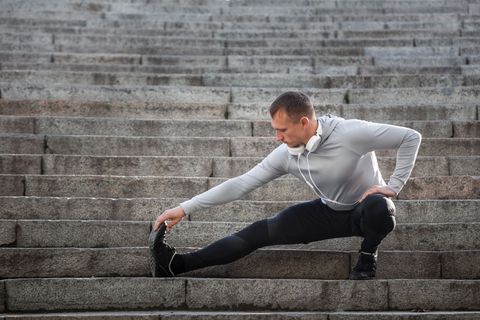
Starting a stair workout routine is straightforward, but proper technique makes a big difference.
Basic Technique
Focus on these key points:
- Keep your back straight and chest lifted
- Step fully onto each stair (avoid tiptoeing)
- Use your arms for balance and rhythm
- Maintain a steady pace
If you're new to exercise, think of it like a beginner swim workout. Start slow, build confidence, and gradually increase intensity.
Beginner Routine
If you're just starting out, try this simple session:
- Warm-up: Walk on flat ground for 5 minutes
- Climb stairs at a comfortable pace for 5–10 minutes
- Rest for 1–2 minutes
- Repeat 2–3 rounds
- Cool down with light stretching
This structure is similar to swim sets used in swim training, where effort is broken into manageable intervals.
Intermediate Routine
Once you feel comfortable:
- Warm-up: 5 minutes
- Climb at moderate pace for 2 minutes
- Increase speed for 1 minute
- Walk down slowly
- Repeat 5–8 rounds
This mirrors the intensity variations seen in swimworkouts, where pacing plays a key role in building endurance.
Building Strength and Endurance
Stair climbing is not just about going up and down. You can modify your routine to target different muscle groups and fitness goals.
Power-Focused Exercises
For strength:
- Take two steps at a time
- Add short sprints up the stairs
- Perform step-ups on a single stair
These movements improve explosive power, similar to the push-offs used in swim workouts for swimmers.
Endurance Training
For stamina:
- Maintain a steady pace for longer durations
- Focus on controlled breathing
- Gradually increase workout time
This approach aligns closely with swim training and swim taper sets, where endurance is built through consistent pacing.
Adding Variety
To avoid boredom and plateaus:
- Alternate between slow climbs and fast sprints
- Include bodyweight exercises like squats or lunges between sets
- Change locations or stair heights
Variety keeps your body adapting, much like rotating through different swim sets in swimming workouts.
Combining Stair Climbing with Swimming Workouts
Stair climbing and swimming may seem different, but they complement each other surprisingly well.
Why Swimmers Use Stair Training
Athletes involved in swim training often use stairs because:
- It strengthens leg drive for kicks
- Improves lung capacity and breath control
- Builds endurance without water access
For example, during off-pool days, swimmers may replace swimworkouts with stair sessions to maintain conditioning.
Sample Hybrid Routine
Here’s how you might combine both:
- Day 1: Swimming fitness exercises (focus on technique)
- Day 2: Stair climbing intervals
- Day 3: Rest or light activity
- Day 4: Swim taper sets (lower intensity, focus on form)
- Day 5: Stair endurance session
This balanced approach helps maintain fitness across different environments.
For Beginners and Teens
If you’re exploring swim lessons for teens or just starting out:
- Keep stair sessions short and fun
- Focus on consistency over intensity
- Combine with light swimming practice when possible
This creates a well-rounded fitness base without overwhelming the body.
Safety Tips and Common Mistakes
Like any workout, stair climbing requires attention to form and safety.
Avoid These Common Errors
- Skipping warm-ups
- Leaning too far forward
- Taking steps too quickly without control
- Ignoring rest periods
These mistakes can reduce effectiveness and increase strain.
Stay Safe While Training
Keep these tips in mind:
- Use handrails if needed
- Wear supportive shoes
- Stay hydrated
- Listen to your body and stop if you feel discomfort
Even experienced athletes in swim training follow similar principles to avoid overtraining.
Making Stair Workouts More Enjoyable
Consistency is key, and enjoyment makes it easier to stick with your routine.
Simple Ways to Stay Motivated
- Set small, achievable goals
- Track your progress
- Listen to music or podcasts
- Work out with a friend
You can also think of your sessions like structured swim workouts, where each set has a purpose and goal.
Progress Tracking
Monitor improvements such as:
- Number of flights climbed
- Time taken per session
- Recovery time between rounds
Tracking helps you stay accountable and motivated over time.
Conclusion
Stair climbing workouts are a practical and powerful way to improve fitness. They require minimal setup, yet deliver strong results in strength, endurance, and cardiovascular health.
Whether you're cross-training alongside swimming workouts, building a routine similar to swim training, or simply looking for a convenient exercise option, stairs offer flexibility and effectiveness.
Start at your own pace, stay consistent, and gradually challenge yourself. Over time, you’ll notice improvements not just in physical fitness, but also in confidence and energy levels.