Home Workouts Guide: Build Strength Anytime
In this guide, you’ll learn how to structure your workouts, which exercises to include, and how to make the most of your space and equipment.
Understanding the Basics of Home Fitness Gym
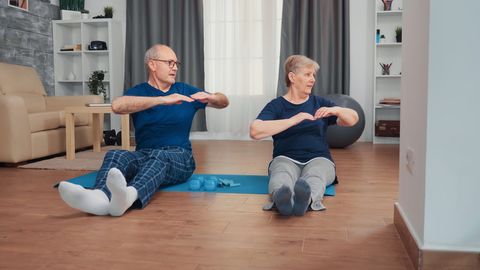
A home fitness gym is simply a dedicated space where you exercise regularly. It doesn’t need to be large or filled with expensive equipment. Even a small corner with a few essentials can support a full-body routine.
The key advantage is consistency. When your workout area is always ready, it becomes easier to stay on track. You save time, avoid travel, and can train whenever it suits you.
What You Need for a Simple Setup
You don’t need much to get started. A basic home gym can include:
- A pair of adjustable dumbbells
- A workout mat
- Comfortable clothing
- A small open space
Dumbbells are especially useful because they allow you to perform a wide variety of movements. From dumbbell chest workouts to dumbbell exercises for back, they cover almost every muscle group.
Structuring Your Weekly Routine
A balanced routine ensures you train all major muscle groups. Here’s a simple example:
| Day | Focus Area |
|---|---|
| Monday | Chest and Triceps |
| Tuesday | Back and Shoulders |
| Wednesday | Rest or Light Activity |
| Thursday | Full Body Workout |
| Friday | Core and Cardio |
| Saturday | Optional Strength Training |
| Sunday | Rest |
This structure keeps your workouts organized and prevents overtraining.
Essential Dumbbell Exercises for Full-Body Strength
Dumbbells are one of the most versatile tools in any home fitness gym. They allow natural movement and help improve balance and coordination.
Dumbbell Shoulder Exercises
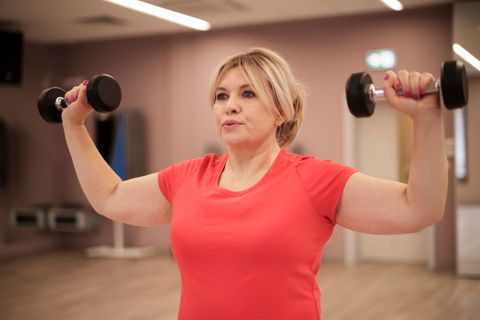
Your shoulders play a major role in upper body strength and posture. Including dumbbell shoulder exercises in your routine helps build stability and definition.
Some effective options include:
- Overhead press
- Lateral raises
- Front raises
- Rear delt fly
Keep your movements controlled and avoid rushing through repetitions. Focus on proper form rather than heavy weight.
Dumbbell Chest Workouts and Pec Training
A strong chest supports pushing movements and overall upper body strength. Dumbbell chest workouts are ideal for home setups because they don’t require bulky equipment.
Popular pec dumbbell exercises include:
- Dumbbell bench press (use a bench or floor)
- Incline press (use a raised surface)
- Dumbbell fly
- Pullover
These movements target different parts of the chest and help improve muscle balance.
If you’re familiar with chest workouts gym routines, you can easily adapt them using dumbbells at home.
Tricep Workouts with Dumbbells
The triceps make up a large portion of your arm and are essential for pushing strength. Tricep workouts with dumbbells are simple yet effective.
Try these exercises:
- Overhead tricep extension
- Tricep kickbacks
- Close-grip dumbbell press
Consistency matters more than intensity. Gradually increase your repetitions or weight over time.
Dumbbell Exercises for Back
Your back supports posture and daily movement. Including dumbbell exercises for back helps prevent imbalances and discomfort.
Effective exercises include:
- Bent-over rows
- Single-arm rows
- Reverse fly
- Deadlift variations
Keep your spine neutral and avoid rounding your back during these movements.
Building a Consistent Home Workout Routine
Starting is easy, but staying consistent is where most people struggle. The good news is that a home gym removes many common barriers.
Create a Realistic Schedule
Set a routine that fits your lifestyle. Even 20–30 minutes a day can make a difference if done regularly.
Avoid overloading your schedule. Instead, aim for manageable sessions that you can maintain long-term.
Focus on Proper Technique
Good form reduces the risk of injury and improves results. Take your time to learn each movement.
If needed, practice with lighter weights before increasing intensity. Controlled motion is always better than rushed repetitions.
Track Your Progress
Keeping track of your workouts helps you stay motivated. You can note:
- Number of sets and reps
- Weight used
- How you felt after each session
This simple habit gives you a clear view of your improvement over time.
Tips to Improve Your Home Fitness Journey
A successful home workout routine is not just about exercises. Small habits can make a big difference in your progress.
Stay Consistent, Not Perfect
Missing a workout occasionally is normal. What matters is getting back on track.
Consistency builds momentum, and momentum leads to progress.
Mix Up Your Routine
Repeating the same exercises for too long can feel boring. Add variety by changing:
- Exercise order
- Number of repetitions
- Tempo of movements
This keeps your workouts engaging and challenges your muscles in new ways.
Listen to Your Body
Rest is just as important as training. If you feel tired or sore, allow time for recovery.
Overtraining can slow progress and increase the risk of injury.
Keep Your Space Organized
A clean and organized home gym makes workouts more enjoyable. It also saves time and reduces distractions.
Even a small effort to maintain your space can improve your overall experience.
Conclusion
Home workouts are a practical and effective way to stay active. With a simple home fitness gym setup, you can train your entire body using basic equipment like dumbbells.
By including exercises such as dumbbell shoulder exercises, dumbbell chest workouts, tricep workouts with dumbbells, and dumbbell exercises for back, you create a balanced routine that supports overall strength.
The most important factor is consistency. Start with simple routines, focus on proper form, and gradually build your strength over time. With the right approach, your home gym can become a reliable part of your daily routine.