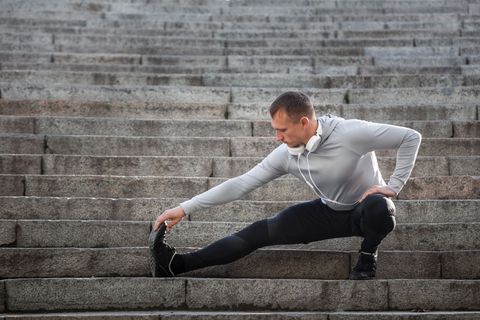
Fitness After 40 Guide: Smart Habits for Lasting Health
Fitness after 40 is not about chasing extreme goals. It is about building consistency, protecting joint health, improving energy, and supporting long-term wellness. With the right approach, you can feel stronger, move better, and stay confident in your daily routine.
Why Fitness Over 40 Matters More Than Ever
As the body ages, natural changes begin to occur. Muscle mass may decline, flexibility can decrease, and energy levels may fluctuate more than before. A regular exercise routine helps manage these changes and supports overall physical and mental health.
People focusing on fitness over 40 often benefit from:
- Better mobility and flexibility
- Improved heart health
- Stronger bones and muscles
- More balanced energy levels
- Better sleep quality
- Reduced daily stress
The goal is not perfection. The goal is creating sustainable habits that support your body over time.
Understanding the Biggest Changes After 40
Aging affects everyone differently, but there are some common physical changes that influence exercise routines.
Slower Recovery Time
Many adults notice soreness lasting longer after intense activity. Recovery becomes just as important as the workout itself.
Adding rest days, stretching, hydration, and sleep can help the body repair properly.
Muscle Loss and Strength Decline
Muscle naturally decreases with age if it is not maintained. Strength training becomes one of the most valuable parts of a men's workout after 40 and for women as well.
Resistance exercises support muscle maintenance and improve daily movement.
Joint Stiffness and Mobility Issues
Low-impact exercises are often easier on the knees, hips, and back. Walking, swimming, yoga, and cycling can support movement without placing too much stress on joints.
Getting in Shape After 40 Starts With Consistency
One of the biggest mistakes people make is trying to train too hard too quickly. Sustainable progress comes from regular movement, not extreme routines.
A balanced weekly plan usually works best.
| Fitness Goal | Recommended Activities | Weekly Frequency |
|---|---|---|
| Strength Building | Bodyweight training, resistance bands, weights | 2–3 times |
| Heart Health | Walking, cycling, swimming | 3–5 times |
| Flexibility | Stretching, yoga, mobility work | Daily or 3 times |
| Recovery | Light movement and quality sleep | Ongoing |
This structure helps support long-term progress while reducing burnout and unnecessary strain.
Fit at Forty Means Training Smarter
Many people believe they need intense workouts every day to stay healthy. In reality, smart training often delivers better results than constant high-intensity exercise.
Focus on Functional Movement
Functional exercises improve everyday movement patterns. Squats, lunges, push-ups, and core exercises strengthen muscles used in daily activities.
These exercises help with balance, posture, and coordination.
Prioritize Form Over Speed
Proper movement matters more than heavy weights or fast repetitions. Controlled movements lower the risk of injury and improve overall results.
For people beginning an after 40 workout routine, slower progression is often safer and more effective.
Recovery Is Part of Fitness
Rest days are productive days. Muscles rebuild and strengthen during recovery periods.
Simple recovery habits include:
- Sleeping 7–8 hours regularly
- Staying hydrated
- Gentle stretching
- Walking on rest days
- Managing stress levels
Fitness Over 40 Women: Key Areas to Focus On
Women often experience hormonal and metabolic changes after 40 that affect strength, energy, and body composition.
The good news is that regular movement can support healthy aging and improve daily well-being.
Strength Training for Bone Health
Resistance exercises help support bone density and muscle tone. This becomes increasingly important over time.
Light dumbbells, resistance bands, or bodyweight exercises can all be effective.
Core and Balance Exercises
Improving balance helps support stability and coordination. Core-focused exercises may also support posture and reduce discomfort from prolonged sitting.
Helpful options include:
- Planks
- Pilates
- Yoga
- Stability exercises
Cardio Without Overtraining
Moderate cardio can improve endurance and support heart health without excessive stress on the body.
Walking remains one of the most effective forms of after 40 exercise because it is simple, accessible, and sustainable.
Male Fitness Over 40: Building Strength Safely
Men over 40 often focus on maintaining muscle mass, mobility, and energy levels. However, aggressive training styles used in younger years may no longer feel sustainable.
A balanced approach usually works better.
Train Major Muscle Groups
Compound exercises work multiple muscles at once and help improve efficiency.
Examples include:
- Squats
- Deadlifts
- Push-ups
- Rows
- Shoulder presses
These movements support overall strength and coordination.
Avoid Overloading Too Quickly
Heavy lifting without proper progression can increase injury risk. Gradual improvements are safer and often more effective long term.
Warm-ups become especially important for joint preparation and flexibility.
Cardiovascular Health Matters Too
Strength alone is not enough. Heart health should also be part of male fitness over 40 routines.
Walking, cycling, rowing, and swimming can all support cardiovascular endurance.
Best Types of After 40 Exercise
Not every workout works for every person. The best fitness plan is one that feels manageable and enjoyable.
Walking
Walking is low-impact, beginner-friendly, and highly effective for general health.
Even 30 minutes per day can support energy and mobility.
Strength Training
Strength training helps preserve muscle and improve metabolism.
Beginners can start with bodyweight movements before adding resistance.
Yoga and Stretching
Flexibility often becomes more important with age. Stretching and yoga improve mobility, posture, and relaxation.
Swimming
Swimming offers full-body movement with minimal stress on joints, making it ideal for many adults.
Common Mistakes People Make After 40
Understanding what to avoid can help prevent setbacks and frustration.
Doing Too Much Too Soon
Starting aggressively can lead to soreness, fatigue, or injury. Gradual progression works better.
Ignoring Recovery
Exercise without proper rest can increase strain on the body. Recovery supports long-term consistency.
Following Unrealistic Trends
Not every online fitness trend is suitable for every age group. Sustainable routines usually outperform extreme methods.
Skipping Mobility Work
Flexibility and mobility exercises are often overlooked but remain essential for healthy movement.
Simple Nutrition Habits That Support Fitness
Exercise and nutrition work together. Healthy eating habits support energy, recovery, and muscle maintenance.
Helpful habits include:
- Eating balanced meals
- Including protein sources regularly
- Drinking enough water
- Reducing heavily processed foods
- Choosing consistent meal timing
There is no single perfect diet for everyone. Long-term consistency matters more than strict rules.
Building a Realistic Weekly Routine
One of the best ways to stay fit after forty is to create a schedule that fits your lifestyle.
Here is a simple example:
Monday
Strength training and stretching
Tuesday
Brisk walking or cycling
Wednesday
Light yoga or mobility work
Thursday
Strength training
Friday
Cardio session
Saturday
Outdoor activity or recreational movement
Sunday
Recovery and stretching
This approach balances movement, recovery, and sustainability.
Staying Motivated for the Long Term
Motivation changes over time, so building habits is more effective than relying on willpower alone.
Helpful strategies include:
- Setting realistic goals
- Tracking progress gradually
- Exercising with friends or family
- Choosing enjoyable activities
- Celebrating consistency instead of perfection
Getting in shape after 40 is a long-term process, not a quick challenge.
Conclusion
Fitness after 40 is about building strength, energy, flexibility, and confidence in a sustainable way. Small daily habits often create better long-term results than intense short-term efforts.
Whether focusing on fitness over 40 women routines, male fitness over 40 strategies, or simply trying to stay active, the key is consistency. Smart exercise choices, balanced recovery, and realistic expectations can support healthy movement for years to come.
Creating a routine that feels manageable and enjoyable makes it easier to stay active and maintain progress over time.