Fat Loss Training Guide: Workouts That Truly Help
Understanding Fat Loss Training Basics
Fat loss happens when your body uses more energy than it takes in. Exercise plays a key role, but not all workouts work the same way. The most effective approach combines strength, cardio, and consistency.
A good weight loss workout plan should focus on:
- Burning calories efficiently
- Preserving lean muscle
- Improving overall endurance
There’s no single “perfect” routine. The best fat burning workouts are the ones you can stick to long-term.
Why Strength Training Matters
Many people focus only on cardio, but strength training for weight loss is just as important. Lifting weights helps build muscle, and muscle burns more calories—even at rest.
Weight lifting for weight loss can:
- Boost metabolism over time
- Improve body composition
- Help maintain strength during fat loss
You don’t need heavy gym equipment. Even simple bodyweight exercises can deliver results.
The Role of Cardio Workouts
Cardio supports fat loss by increasing calorie burn. It can be low-intensity or high-intensity depending on your fitness level.
Common options include:
- Brisk walking
- Jogging or running
- Cycling
- Skipping rope
High-intensity interval training (HIIT) is often included in fat burning workouts because it alternates between intense effort and rest, making sessions shorter and efficient.
Types of Workouts to Lose Belly Fat
Spot reduction is a common myth. You can’t target belly fat alone, but you can reduce overall body fat, which eventually includes the abdominal area.
Full Body Strength Workouts
Full body routines are ideal for beginners and busy schedules. They activate multiple muscle groups at once.
Examples:
- Squats
- Push-ups
- Lunges
- Planks
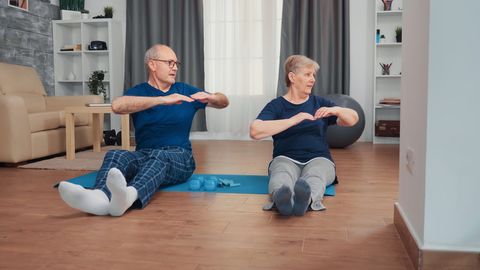
These movements are effective at home workouts to lose weight because they require little to no equipment.
High-Intensity Interval Training (HIIT)
HIIT is one of the best fat burning workouts for people with limited time. Sessions usually last 20–30 minutes.
A simple HIIT routine might include:
- 30 seconds jumping jacks
- 30 seconds rest
- 30 seconds mountain climbers
- 30 seconds rest
Repeat for 15–20 minutes. Adjust intensity based on your comfort level.
Low-Impact Cardio Options
Not everyone enjoys high-intensity workouts. Low-impact exercises are easier on the joints and still support fat loss.
Good workouts to lose weight in this category:
- Walking at a steady pace
- Swimming
- Cycling at moderate speed
These are great for consistency and recovery days.
Sample Weight Loss Training Program
A balanced weekly routine can help you stay consistent. Here’s a simple example combining different training styles:
| Day | Workout Type | Duration |
|---|---|---|
| Monday | Full Body Strength Training | 30–40 min |
| Tuesday | Cardio (Walking or Cycling) | 30 min |
| Wednesday | HIIT Workout | 20–25 min |
| Thursday | Rest or Light Activity | — |
| Friday | Strength Training (Upper Body) | 30 min |
| Saturday | Cardio + Core Exercises | 30–40 min |
| Sunday | Rest | — |
This structure balances effort and recovery, which is essential for progress.
Adjusting for Beginners
If you’re new, start slow. Focus on form rather than intensity.
Tips:
- Begin with 3–4 workout days per week
- Keep sessions short (20–30 minutes)
- Gradually increase intensity
Consistency matters more than doing everything perfectly.
At Home vs Gym Workouts
Both options can be effective. The choice depends on your preference and routine.
At home workouts to lose weight:
- Flexible timing
- No equipment required
- Ideal for beginners
Gym workouts:
- Access to machines and weights
- More variety
- Helpful for structured training
Choose what keeps you consistent.
Practical Tips for Better Results
A successful weight loss training program isn’t just about exercise. Small habits make a big difference.
Stay Consistent
Skipping workouts occasionally is normal, but regular effort is key. Try to follow your routine most days of the week.
Focus on Form
Doing exercises correctly reduces injury risk and improves results. Slow, controlled movements are more effective than rushing.
Combine Strength and Cardio
Relying on only one type of workout may limit progress. A mix of strength training and cardio creates a balanced approach.
Track Progress Simply
You don’t need complex tools. Basic tracking can help:
- Workout frequency
- Energy levels
- Strength improvements
Avoid focusing only on weight changes.
Prioritize Recovery
Rest days are important. Your body needs time to repair and adapt.
Good recovery includes:
- Proper sleep
- Light stretching
- Staying hydrated
Common Mistakes to Avoid
Even with the best intentions, some habits can slow progress.
- Doing only cardio and ignoring strength training
- Expecting quick results
- Skipping warm-ups and cool-downs
- Overtraining without rest
Fat loss takes time. Sustainable routines lead to better outcomes than extreme efforts.
Building a Routine That Lasts
The most effective plan is one you enjoy and can maintain. It doesn’t need to be perfect—it needs to be practical.
Try to:
- Set realistic goals
- Choose workouts you like
- Keep your schedule flexible
Small improvements over time create meaningful change.
Conclusion
Fat loss training is about consistency, balance, and realistic expectations. A combination of strength training for weight loss, cardio, and smart recovery creates a solid foundation for progress.
Whether you prefer at home workouts to lose weight or structured gym sessions, the key is staying active and committed. Focus on building habits that fit your lifestyle, and results will follow over time.