Recovery Workouts Guide: Smart Muscle Recovery Tips
This guide breaks down everything you need to know about recovery workouts in a simple, practical way. Whether you’re new to fitness or already active, these insights will help you better understand post workout recovery and how to support your body.
What Are Recovery Workouts and Why Do They Matter?
Recovery workouts are low-intensity activities designed to help your body repair and rebuild after exercise. They’re not about pushing limits—they’re about helping your muscles recover and reducing the soreness of muscles after workout sessions.
When you exercise, your muscles go through tiny stress and strain. This is normal and even necessary for growth. However, without proper recovery, that stress can build up and lead to fatigue or discomfort.
An effective recovery workout helps to:
- Improve blood circulation
- Reduce muscle soreness recovery time
- Support flexibility and mobility
- Prevent stiffness and fatigue
Recovery is not just rest—it’s active support for your body’s natural repair process.
Understanding Muscle Recovery After Workout
Muscle recovery after workout sessions involves repairing tiny muscle fibers that were stressed during exercise. This process helps muscles become stronger over time.
If you skip recovery, your body may feel:
- Tight or stiff
- Fatigued for longer periods
- Less motivated to train
This is why post workout muscle recovery should be treated as part of your routine, not an optional step.
What Causes Post Workout Muscle Soreness?
Post workout muscle soreness often appears a few hours or even a day after exercise. This is commonly known as delayed onset muscle soreness (DOMS).
It happens when your muscles experience unfamiliar stress or increased intensity. For example:
- Trying a new workout
- Increasing weights or repetitions
- Engaging in longer sessions than usual
The soreness of muscles after workout sessions is completely normal. It’s your body adjusting and rebuilding. However, managing this soreness properly makes a big difference in comfort and performance.
The Role of Active Recovery
Active recovery is one of the most effective ways to deal with muscle soreness recovery. Instead of complete rest, you engage in light movements that keep your body active without strain.
An active recovery workout may include:
- Walking
- Light cycling
- Gentle stretching
- Yoga or mobility exercises
These activities improve blood flow, which helps deliver nutrients to muscles and remove waste products. This can reduce discomfort and speed up post workout muscle recovery.
Types of Recovery Workouts You Can Try
Not all recovery workouts look the same. Choosing the right one depends on how intense your previous workout was and how your body feels.
Low-Intensity Cardio
Light cardio is one of the easiest ways to promote muscle recovery.
Examples include:
- Slow jogging
- Brisk walking
- Easy cycling
This type of movement increases circulation without adding extra stress to your muscles.
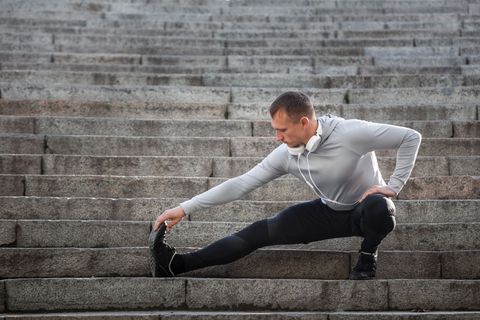
Stretching and Mobility Work
Stretching helps improve flexibility and reduce stiffness.
Focus on:
- Static stretches after workouts
- Gentle mobility exercises
- Slow, controlled movements
This approach supports muscle soreness recovery and improves range of motion over time.
Yoga-Based Recovery
Yoga is a popular form of active recovery. It combines movement, breathing, and relaxation.
Benefits include:
- Reduced muscle tension
- Improved flexibility
- Better mind-body connection
Yoga can be especially helpful when dealing with post workout muscle soreness.
Restorative Recovery Days
Sometimes, the best recovery is complete rest. Your body needs downtime to fully repair itself.
Rest days allow:
- Muscle repair and growth
- Energy restoration
- Reduced risk of overtraining
Balancing active recovery and rest is key to long-term progress.
Recovery Workout vs Intense Workout
Understanding the difference between a regular workout and a recovery workout helps you plan your routine more effectively.
| Aspect | Intense Workout | Recovery Workout |
|---|---|---|
| Intensity Level | High | Low |
| Goal | Build strength/endurance | Support muscle recovery |
| Muscle Stress | High | Minimal |
| Duration | Moderate to long | Short to moderate |
| Impact on Soreness | May increase soreness | Helps reduce soreness |
Both types are important, but they serve different purposes. Including recovery workouts ensures your body stays balanced and ready for future sessions.
How to Build a Smart Post Workout Recovery Routine
A good recovery routine doesn’t need to be complicated. Small, consistent habits can make a big difference in how your body feels and performs.
Hydration Matters
Drinking enough water supports muscle recovery after workout sessions. It helps transport nutrients and keeps your body functioning properly.
Aim to stay hydrated throughout the day, not just after workouts.
Nutrition for Muscle Recovery
Your body needs proper fuel to recover effectively.
Focus on:
- Protein for muscle repair
- Carbohydrates for energy replenishment
- Balanced meals with essential nutrients
Eating within a reasonable time after exercise can support post workout recovery.
Sleep and Rest
Sleep is one of the most powerful recovery tools.
During sleep, your body:
- Repairs muscle tissue
- Restores energy levels
- Supports overall recovery
Aim for consistent, quality sleep to enhance muscle soreness recovery.
Common Mistakes in Recovery Workouts
Many people unknowingly slow down their recovery by making simple mistakes.
Skipping Recovery Days
Some believe more workouts mean better results. However, without recovery, your body may struggle to keep up.
Recovery is essential, not optional.
Doing Too Much During Active Recovery
Active recovery should feel easy and relaxed. If it feels like another intense workout, it may defeat the purpose.
Keep it light and controlled.
Ignoring Body Signals
Your body provides clear signals when it needs rest or recovery.
Pay attention to:
- Persistent soreness
- Fatigue
- Reduced performance
Adjust your routine when needed.
Tips to Improve Muscle Soreness Recovery
If you’re dealing with soreness of muscles after workout sessions, these simple tips can help:
- Start with a gentle warm-up before exercising
- Cool down properly after workouts
- Stay consistent with recovery workouts
- Use light stretching to ease tightness
- Maintain a balanced routine
These habits support smoother post workout muscle recovery and help you stay consistent with your fitness goals.
Conclusion
Recovery workouts are a crucial part of any fitness routine. They help your body repair, reduce post workout muscle soreness, and prepare for future activity. Ignoring recovery can lead to fatigue, discomfort, and slower progress.
By including active recovery, proper rest, hydration, and balanced nutrition, you can improve muscle recovery after workout sessions and feel better overall. The key is consistency and listening to your body.
Make recovery a priority, not an afterthought, and your workouts will become more effective and sustainable over time.