Swimming Workouts Guide: Build Strength and Stamina
This guide breaks down everything you need to know about swim training, from beginner routines to advanced swim taper sets. Let’s explore how to make your time in the pool more effective and enjoyable.
Understanding Swimming Workouts
Swimming workouts are structured routines designed to improve strength, technique, and endurance in the water. Instead of randomly swimming laps, you follow planned swim sets that target specific goals.
A typical swim workout includes:
- Warm-up
- Main set (focused training)
- Technique drills
- Cool-down
Working out swimming regularly helps improve cardiovascular health, muscle tone, and flexibility. It also reduces stress on joints compared to land-based workouts.
Why Structured Swim Training Matters
Without structure, progress can be slow. Swim training helps you:
- Track improvement over time
- Balance speed, endurance, and recovery
- Avoid overtraining
- Stay motivated with variety
Whether you're doing swimworkouts casually or training seriously, structure keeps your sessions effective.
Beginner Swim Workout Plans
Starting swimming workouts can feel overwhelming, but simple routines work best in the beginning. Focus on comfort, breathing, and basic strokes.
Beginner Swim Workout Example
| Phase | Activity | Distance/Time |
|---|---|---|
| Warm-up | Easy freestyle swim | 5–10 minutes |
| Main Set | Swim 25m, rest, repeat | 6–8 rounds |
| Drill Set | Kickboard practice | 5 minutes |
| Cool-down | Slow backstroke | 5 minutes |
This beginner swim workout helps build confidence while improving stamina.
Tips for Beginners
- Start slow and focus on technique
- Take breaks when needed
- Practice breathing rhythm
- Stay consistent with sessions
If you're new, beginner swim workout routines should feel manageable, not exhausting.
Swim Workouts for Swimmers at Different Levels
As you improve, your workouts should evolve. Swim workouts for swimmers vary depending on skill level and goals.
Intermediate Swim Sets
Once you're comfortable, you can increase intensity:
- 4 x 50m freestyle (moderate pace)
- 4 x 25m sprint (fast pace)
- 2 x 100m endurance swim
This type of swimworkouts builds both speed and stamina.
Advanced Swim Training
Advanced swimmers often train with more complex swim sets:
- Interval training (timed swims)
- Stroke-specific drills
- Distance challenges
These sessions push limits and improve performance over time.
Swim Taper Sets and Recovery
Swim taper sets are lighter workouts used before competitions or after intense training periods. The goal is to allow the body to recover while maintaining performance.
What Are Swim Taper Sets?
Swim taper sets reduce volume but keep intensity moderate. They help:
- Restore energy levels
- Improve muscle recovery
- Prepare for peak performance
Example Swim Taper Set
- 200m easy swim
- 4 x 50m at moderate pace
- 2 x 25m fast but controlled
- 100m relaxed cool-down
These sessions feel easier but still keep your body active.
When to Use Taper Sets
- Before competitions
- After heavy training weeks
- When feeling fatigued
Including taper phases in swim training helps prevent burnout.
Swimming Fitness Exercises Beyond the Pool
Swimming fitness exercises aren’t limited to the water. Dryland training improves strength and supports better swimming performance.
Effective Dryland Exercises
- Planks for core strength
- Squats for leg power
- Push-ups for upper body strength
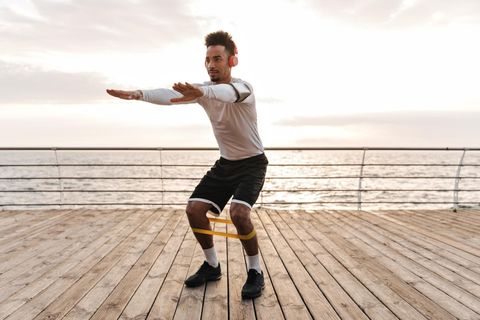
- Resistance band pulls for shoulder stability
These exercises complement your swimming workouts and reduce injury risk.
Benefits of Combining Training
Mixing pool and land exercises helps:
- Improve overall strength
- Enhance stroke efficiency
- Increase endurance
- Maintain balance in muscle development
Even short sessions outside the pool can boost your results.
Swim Lessons for Teens and Skill Development
Swimming is a valuable life skill, especially for teens. Structured swim lessons for teens focus on both safety and performance.
What Teens Learn
- Proper breathing techniques
- Stroke mechanics
- Water safety skills
- Confidence in deeper water
Lessons often include fun swimworkouts to keep engagement high.
Why Teens Benefit from Swim Training
- Builds discipline and consistency
- Encourages physical activity
- Improves mental focus
- Promotes teamwork in group sessions
For teens, swimming becomes both a skill and a fitness habit.
Creating a Weekly Swim Workout Routine
Consistency is key in swim training. A weekly plan helps maintain progress without overtraining.
Sample Weekly Plan
- Day 1: Endurance swim sets
- Day 2: Technique drills
- Day 3: Rest or light activity
- Day 4: Speed-focused swimworkouts
- Day 5: Mixed training session
- Day 6: Easy swim or taper set
- Day 7: Rest
This balance ensures steady improvement while allowing recovery.
Adjusting Your Routine
Your plan should match your fitness level:
- Beginners: 2–3 sessions per week
- Intermediate: 3–4 sessions
- Advanced: 4–6 sessions
Listen to your body and adjust intensity when needed.
Common Mistakes in Swimming Workouts
Even experienced swimmers can make mistakes that slow progress.
Mistakes to Avoid
- Skipping warm-ups
- Poor breathing technique
- Overtraining without rest
- Ignoring proper form
- Doing the same routine repeatedly
Fixing these issues can quickly improve your performance.
How to Improve Faster
- Focus on technique first
- Track your progress
- Add variety to swim sets
- Stay consistent
Small adjustments can lead to noticeable improvements.
Staying Motivated with Swimworkouts
Motivation can fade if workouts feel repetitive. Keeping things fresh makes swimming more enjoyable.
Ways to Stay Engaged
- Set realistic goals
- Try new swim sets
- Swim with friends or groups
- Track your achievements
Changing your routine occasionally keeps your workouts exciting.
Mental Benefits of Swimming
Swimming is not just physical. It also helps:
- Reduce stress
- Improve mood
- Increase focus
- Boost overall well-being
This makes it a great long-term fitness activity.
Conclusion
Swimming workouts offer a balanced way to improve fitness, strength, and endurance. From beginner swim workout routines to advanced swim taper sets, there’s something for everyone.
The key is consistency and structure. Focus on proper technique, include a variety of swim sets, and allow time for recovery. Whether you're just learning or improving your performance, swim training can be both effective and enjoyable.
Stick with it, and you’ll see steady progress in both skill and fitness over time.