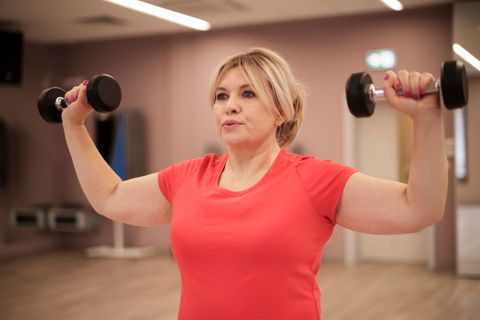
Fitness After 30: Smart Tips and Health Guide
The good news? With the right habits, you can stay strong, energetic, and confident well into your later years. This guide breaks down what really matters and how to make fitness sustainable after 30.
Understanding Fitness After 30
Once you cross 30, your body starts to change in subtle ways. Muscle mass may decline slowly, metabolism can become less efficient, and recovery might take longer than it used to.
This doesn’t mean you can’t stay in great shape. It simply means your strategy needs to be smarter and more balanced.
Here’s what typically changes:
- Muscle recovery takes more time
- Hormonal balance gradually shifts
- Sedentary habits may increase due to lifestyle demands
- Joint health becomes more important
Recognizing these shifts helps you adapt your routine instead of fighting against natural changes.
Why Consistency Matters More Than Intensity
In your 20s, pushing limits might have worked. After 30, consistency becomes the real game changer.
Short, regular workouts are more effective than occasional intense sessions. Your body responds better to steady progress rather than sudden strain.
Focus on:
- 4–5 moderate workouts per week
- Balanced routines instead of extreme plans
- Listening to your body’s signals
Consistency builds long-term results without unnecessary stress.
The Role of Strength Training
Strength training becomes essential after 30. It helps preserve muscle mass, supports metabolism, and improves overall stability.
You don’t need heavy lifting to start. Bodyweight exercises or light resistance training can make a big difference.
Key benefits include:
- Improved posture
- Better bone density
- Reduced risk of injury
- Enhanced daily energy levels
Try including exercises like squats, push-ups, lunges, and resistance band movements.
Cardio: Finding the Right Balance
Cardio is still important, but it doesn’t have to be excessive. The goal is to support heart health without overtraining.
Simple activities work well:
- Brisk walking
- Cycling
- Swimming
- Light jogging
Mix steady cardio with occasional higher-intensity sessions to keep things interesting and effective.
Nutrition and Recovery Essentials
Fitness after 30 isn’t just about exercise. Nutrition and recovery play an equally important role.
Eating for Energy and Strength
Your diet should support your activity level and overall health. Instead of restrictive eating, focus on balanced nutrition.
A simple approach:
- Include protein in every meal
- Choose whole, unprocessed foods
- Stay hydrated throughout the day
- Avoid extreme dieting patterns
Protein helps maintain muscle, while healthy fats and carbs provide sustained energy.
The Importance of Recovery
Recovery is often overlooked but becomes crucial after 30. Your body needs time to repair and grow stronger.
Prioritize:
- 7–8 hours of quality sleep
- Rest days between intense workouts
- Stretching and mobility exercises
Ignoring recovery can lead to fatigue, injuries, and burnout.
Stress and Its Impact on Fitness
Stress affects both mental and physical health. It can slow progress and reduce motivation.
Simple ways to manage stress:
- Practice mindfulness or meditation
- Spend time outdoors
- Maintain a regular sleep schedule
- Avoid overloading your routine
A calm mind supports a stronger body.
Weekly Fitness Plan Example
Here’s a simple weekly structure you can follow or adapt:
| Day | Activity Type | Focus Area |
|---|---|---|
| Monday | Strength Training | Full Body |
| Tuesday | Cardio | Light to Moderate |
| Wednesday | Active Recovery | Stretching/Yoga |
| Thursday | Strength Training | Upper Body |
| Friday | Cardio + Core | Endurance |
| Saturday | Strength Training | Lower Body |
| Sunday | Rest or Light Activity | Recovery |
This balanced approach helps maintain consistency without overloading your system.
Common Challenges After 30
Many people face similar obstacles when trying to stay fit after 30. Understanding them can help you overcome them more easily.
Lack of Time
Work, family, and responsibilities can limit workout time. The solution isn’t longer sessions—it’s smarter ones.
Try:
- 20–30 minute focused workouts
- Combining cardio and strength
- Scheduling workouts like appointments
Short sessions done regularly are highly effective.
Reduced Motivation
Motivation can fluctuate, especially with a busy lifestyle. Instead of relying on motivation alone, build habits.
Helpful strategies:
- Set realistic goals
- Track your progress
- Work out at the same time daily
- Find activities you actually enjoy
Enjoyment makes consistency easier.
Managing Joint Health
Joint care becomes more important as you age. Ignoring discomfort can lead to long-term issues.
To support joint health:
- Warm up before workouts
- Avoid sudden intensity spikes
- Include mobility exercises
- Use proper form during training
Taking care of your joints ensures you can stay active for years.
Practical Fitness Tips for Long-Term Success
Building a sustainable fitness routine after 30 doesn’t require perfection. It requires smart habits and realistic expectations.
Keep It Simple
Avoid overcomplicated plans. A simple routine is easier to follow and maintain.
Focus on:
- Basic exercises
- Clear weekly structure
- Gradual progress
Complexity often leads to inconsistency.
Track Progress Without Pressure
Tracking helps you stay on course, but it shouldn’t become stressful.
You can monitor:
- Strength improvements
- Energy levels
- Workout consistency
Progress isn’t always visible immediately, but it adds up over time.
Stay Flexible
Life doesn’t always go as planned. Missing a workout isn’t failure—it’s normal.
Adapt by:
- Rescheduling instead of skipping entirely
- Doing shorter sessions when needed
- Staying active in small ways
Flexibility keeps you moving forward without frustration.
Build a Lifestyle, Not a Phase
Fitness after 30 works best when it becomes part of your daily life.
Think beyond workouts:
- Stay active throughout the day
- Choose stairs over elevators
- Take short walking breaks
Small habits contribute to long-term health.
Conclusion
Fitness after 30 is less about intensity and more about balance, consistency, and smart choices. Your body may change, but your ability to stay fit remains strong with the right approach.
Focus on steady progress, listen to your body, and prioritize recovery just as much as exercise. With time, these habits become second nature.
The goal isn’t perfection—it’s sustainability. When you build a routine that fits your life, staying active becomes easier and more enjoyable.