Desk Exercises Guide: Simple Ways to Stay Active
Understanding Desk Exercises and Why They Matter
Desk exercises are small, easy movements you can do while working. They help reduce stiffness, improve circulation, and keep your muscles engaged. You don’t need a gym or special training—just a little awareness and consistency.
Modern workspaces have also introduced innovative solutions like a walking desk treadmill or a walking pad under desk. These tools allow you to stay active without stepping away from your tasks. Instead of sitting still for hours, you can gently move while answering emails or attending meetings.
Regular movement during work hours may support:
- Better posture and reduced back discomfort
- Improved focus and productivity
- Increased daily physical activity
Even short bursts of movement can make a noticeable difference over time.
Types of Desk-Friendly Movement Options
Walking While You Work
A walking desk is becoming a popular choice for people who want to stay active without disrupting their workflow. It combines a standing desk with a treadmill for desk, allowing you to walk at a slow pace while working.
A walking pad treadmill is a compact version designed to fit under your desk. It’s easy to store and doesn’t take up much space. Many people prefer a walking pad under desk because it blends seamlessly into a home or office setup.
Here’s how it helps:
- Encourages light, consistent movement
- Fits into daily routines without extra time commitment
- Supports a more dynamic work environment
Pedal-Based Options
If walking isn’t your preference, pedal devices are another great alternative. An under desk bike or under desk elliptical allows you to cycle while seated.
These tools are especially useful if:
- You prefer staying seated while working
- You want low-impact movement
- You need something quiet and compact
Both options help keep your legs active and can be used during calls, reading tasks, or light computer work.
Stretching and Bodyweight Movements
Not every desk exercise requires equipment. Simple stretches and movements can be just as effective.
Examples include:
- Neck rolls and shoulder shrugs
- Seated leg lifts
- Wrist and ankle rotations
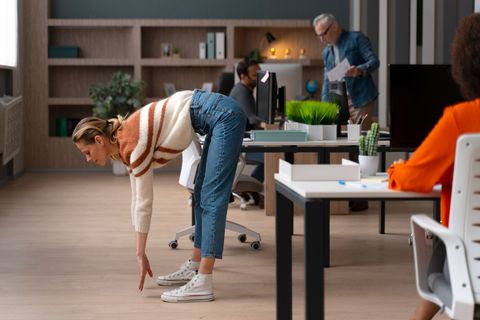
- Standing stretches beside your desk
These movements are quick, easy, and can be done multiple times throughout the day.
Comparing Desk Exercise Tools
Below is a simple comparison to help you understand different options:
| Equipment Type | Movement Style | Best For | Space Requirement |
|---|---|---|---|
| Walking desk | Walking while standing | Active work routines | Moderate |
| Walking desk treadmill | Slow walking | Continuous movement | Moderate |
| Walking pad treadmills | Compact walking | Small spaces | Low |
| Treadmill work desk | Integrated walking | Dedicated setups | Moderate |
| Under desk bike | Pedaling | Seated activity | Low |
| Under desk elliptical | Smooth pedaling | Low-impact movement | Low |
| Under desk walking pad | Light walking | Flexible workspace use | Low |
This table shows that there’s no single “best” option—just what works best for your space and routine.
How to Build a Desk Exercise Routine
Start Small and Stay Consistent
You don’t need to overhaul your entire day. Start with short sessions and gradually increase your activity.
For example:
- Walk for 10–15 minutes using a walking pad under desk
- Use an under desk bike during a meeting
- Stretch every hour for a few minutes
Consistency matters more than intensity. Small efforts repeated daily can lead to meaningful improvements.
Mix Movement Types
Variety keeps things interesting and prevents fatigue. Combine different activities throughout the day.
A balanced routine might include:
- Morning: Light walking using a treadmill for desk
- Midday: Stretching and posture exercises
- Afternoon: Pedaling with an under desk elliptical
This approach keeps your body engaged without feeling repetitive.
Pay Attention to Posture
Movement is helpful, but posture still matters. Whether you’re using a treadmill work desk or sitting with a pedal device, maintain proper alignment.
Keep in mind:
- Your screen should be at eye level
- Your shoulders should stay relaxed
- Your feet should move naturally without strain
Good posture supports comfort and helps prevent unnecessary tension.
Tips for Staying Active Without Disruption
Choose the Right Speed and Intensity
If you’re using a walking desk treadmill, keep your pace slow and steady. The goal is movement, not exertion.
A comfortable pace allows you to:
- Type and read without difficulty
- Stay focused on tasks
- Avoid fatigue
Similarly, when using an under desk bike, keep resistance moderate so you can pedal smoothly.
Set Gentle Reminders
It’s easy to forget to move when you’re busy. Setting reminders can help you stay consistent.
Try:
- Timers every 45–60 minutes
- Calendar alerts for stretch breaks
- Habit-tracking apps
These small prompts can make movement a natural part of your day.
Listen to Your Body
Everyone’s comfort level is different. Pay attention to how your body feels and adjust accordingly.
If something feels uncomfortable:
- Slow down your pace
- Take a short break
- Switch to a different activity
The goal is to support your well-being, not push through discomfort.
Common Questions About Desk Exercises
Can I really work while using a walking pad?
Yes, many people find that a walking pad treadmills setup works well for tasks like emails, reading, and virtual meetings. It may take a little time to adjust, but most users adapt quickly.
Are under desk devices noisy?
Most modern under desk bike and under desk elliptical options are designed to operate quietly. This makes them suitable for shared spaces or calls.
How long should I use these tools each day?
There’s no fixed rule. Even short sessions—like 15–30 minutes—can be beneficial. You can spread activity throughout the day based on your schedule.
Do I still need regular exercise?
Desk exercises help reduce inactivity, but they don’t replace all forms of exercise. A mix of daily movement and regular workouts supports overall health.
Practical Daily Desk Exercise Plan
Here’s a simple example to help you get started:
-
Morning (Start of Work):
Use a walking pad under desk for 10 minutes -
Mid-Morning:
Stretch shoulders, neck, and wrists -
Lunch Break:
Take a short walk away from your desk -
Afternoon:
Use an under desk bike for 15 minutes -
End of Day:
Light stretching or standing movements
This plan is flexible and can be adjusted based on your routine.
Conclusion
Desk exercises are a practical way to stay active without interrupting your work. Whether you choose a walking desk, a treadmill for desk, or a simple stretching routine, the key is consistency.
Tools like a walking desk treadmill, under desk elliptical, or under desk walking pad can make movement feel effortless. At the same time, basic stretches and posture awareness play an equally important role.
Start small, stay consistent, and build a routine that fits your lifestyle. Over time, these small changes can help you feel more comfortable, focused, and energized throughout your day.