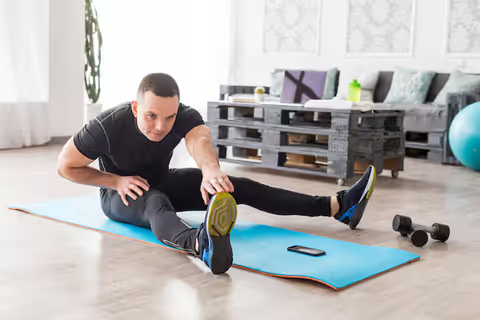
First Week Workout Plan: A Beginner-Friendly Guide to Build a Strong Start
In your first week, the goal is not perfection—it’s progress. You’re introducing your body to movement, improving your stamina, and building a habit that can last long-term. A well-designed beginner plan focuses on balance, combining strength, flexibility, and light cardio in a way that feels manageable and effective.

What is First Week Workout Plan
A First Week Workout Plan is a structured schedule designed specifically for beginners who are just starting their fitness journey. It outlines daily exercises, rest days, and intensity levels to help your body adapt gradually. Instead of jumping into intense routines, this plan focuses on building a solid foundation.
This type of plan is important because your body needs time to adjust to new physical activity. It helps reduce the risk of injury, prevents burnout, and ensures that you stay motivated. By following a beginner-friendly structure, you create a routine that is both realistic and sustainable.
How First Week Workout Plan Works
A First Week Workout Plan works by introducing simple exercises that target different muscle groups while allowing enough recovery time between sessions. It usually includes a mix of bodyweight exercises, light cardio, and stretching, arranged in a way that gradually increases your activity level without overwhelming your body.
Key Benefits of First Week Workout Plan
Starting with a structured plan brings clarity and direction to your fitness journey. It helps you stay disciplined while avoiding confusion about what to do each day.
- Builds a strong fitness foundation
- Reduces risk of injury for beginners
- Improves consistency and routine building
- Boosts energy and overall mood
- Enhances basic strength and endurance
- Helps develop correct exercise form
Practical Examples or Use Cases
Here’s how a First Week Workout Plan can be applied in real life:
| Category | Function | Example Use Case |
|---|---|---|
| Beginner Fitness | Introduce basic movements | Day 1: Bodyweight squats and push-ups |
| Cardio Training | Improve heart health | Day 2: 20-minute brisk walking |
| Strength Building | Develop muscle strength | Day 3: Light resistance exercises |
| Recovery | Allow body to rest and repair | Day 4: Stretching and mobility work |
| Full Body Routine | Combine multiple exercises | Day 5: Mixed beginner workout session |
| Active Rest | Maintain movement without strain | Day 6: Light yoga or walking |
| Reset Day | Prepare for next week | Day 7: Complete rest or gentle stretching |
Tips or Best Practices
- Start slow and focus on proper form instead of speed
- Stay hydrated and maintain a balanced diet
- Keep workouts short but consistent
- Listen to your body and take rest when needed
Common Mistakes to Avoid
Many beginners try to do too much too soon, which can lead to fatigue or even injury. Skipping warm-ups, ignoring rest days, and comparing yourself to others are also common mistakes. Another issue is inconsistency—starting strong but losing motivation after a few days. The key is to stay patient, follow your plan, and focus on gradual improvement rather than quick results.
Future Trends or Insights
As fitness awareness continues to grow, beginner workout plans are becoming more personalized and accessible. Technology and digital tools are making it easier for people to start and stay consistent.
- Personalized workout plans based on fitness level
- Integration of fitness apps and tracking tools
- Focus on mental wellness along with physical health
- Growth of home-based workout routines
- Increased emphasis on functional fitness movements
Frequently Asked Questions (FAQ)
1. How long should my workouts be in the first week?
Beginner workouts should be around 20–30 minutes to avoid overexertion.
2. Can I skip rest days in my First Week Workout Plan?
Rest days are important for recovery and should not be skipped.
3. Do I need equipment for the first week?
No, most beginner plans use simple bodyweight exercises.
4. What should I eat during the first week?
Focus on balanced meals with protein, carbohydrates, and healthy fats.
5. When will I start seeing results?
You may feel more energetic within a week, while visible changes take more time and consistency.
Conclusion
A First Week Workout Plan is the perfect way to begin your fitness journey with confidence and clarity. It provides structure, reduces confusion, and helps your body adapt safely to new physical activity. By starting simple and staying consistent, you set yourself up for long-term success.
Remember, fitness is not about quick results—it’s about building a healthy lifestyle. Your first week is just the beginning, but it’s one of the most important steps toward a stronger, healthier version of yourself.