HIIT for Fat Loss: A Practical Guide to Results
What Is HIIT and How Does It Support Fat Loss?
HIIT stands for High-Intensity Interval Training. It involves short bursts of intense activity followed by brief recovery periods. These cycles are repeated for a set duration, usually between 15 and 30 minutes.
Unlike steady-state workouts, hiit training for weight loss focuses on intensity rather than duration. This means you work harder for shorter periods, which can help you stay engaged and avoid long workout sessions.

How HIIT Helps Burn Fat
The effectiveness of hiit fat burning lies in how your body responds to intense effort. During a HIIT session:
- Your heart rate increases rapidly
- Your body uses stored energy quickly
- You continue burning calories even after finishing
This post-workout calorie burn is often referred to as the “afterburn effect.” While results vary, this effect can support ongoing fat loss when combined with a balanced diet and consistent routine.
Why People Choose HIIT for Fat Loss
There are several reasons why hiit for fat loss is popular:
- Time-efficient workouts
- Can be done at home or in a gym
- No equipment required (optional)
- Easily adjustable intensity levels
HIIT is suitable for beginners and experienced individuals, as long as intensity is scaled appropriately.
Designing an Effective HIIT Routine
Creating a hiit routine for weight loss doesn’t have to be complicated. The key is to balance effort and recovery while targeting different muscle groups.
Basic HIIT Structure
A typical session includes:
- Warm-up: 3–5 minutes
- High-intensity intervals: 20–40 seconds
- Rest periods: 10–30 seconds
- Total workout time: 15–30 minutes
Below is a simple example of a beginner-friendly HIIT program for weight loss:
| Exercise | Work Time | Rest Time | Rounds |
|---|---|---|---|
| Jump Squats | 30 sec | 20 sec | 3 |
| Push-ups | 30 sec | 20 sec | 3 |
| High Knees | 30 sec | 20 sec | 3 |
| Mountain Climbers | 30 sec | 20 sec | 3 |
This structure allows you to maintain intensity without overexertion.
Choosing the Right Exercises
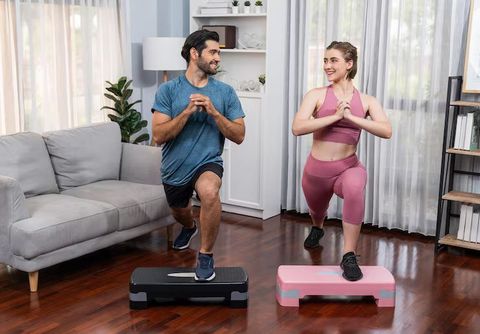
For effective hiit training for fat loss, include movements that engage multiple muscle groups. Examples include:
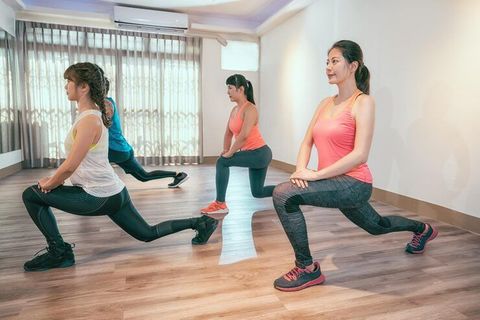
- Squats and lunges
- Burpees
- Jump rope
- Plank variations
- Sprint intervals
Mixing cardio and strength-based exercises can help improve endurance while supporting muscle engagement.
How Often Should You Do HIIT?
For most people, 3–4 sessions per week is a reasonable starting point. This allows enough time for recovery while maintaining consistency.
Overtraining can reduce effectiveness, so rest days or lighter activities like walking or stretching are important.
Common Mistakes to Avoid
While high intensity training for fat loss is effective, certain mistakes can limit results or increase the risk of injury.
Skipping Warm-Ups
Jumping straight into intense activity can strain muscles. Always start with a short warm-up to prepare your body.
Ignoring Recovery
Recovery is just as important as the workout itself. Without proper rest, your performance may drop over time.
Focusing Only on Intensity
High intensity training for weight loss doesn’t mean going all-out every second. Proper pacing helps maintain consistency and avoid burnout.
Poor Form
Maintaining correct form is essential. Performing exercises incorrectly can reduce effectiveness and increase injury risk.
Tips to Maximize Results
To get the most out of your HIIT workouts, consider these practical tips:
Stay Consistent
Consistency matters more than intensity alone. A regular hiit program for weight loss is more effective than occasional intense sessions.
Combine with Balanced Nutrition
Exercise alone is not enough. A balanced diet supports your energy levels and overall progress.
Track Your Progress
Keep a simple record of your workouts. This helps you stay motivated and adjust your routine over time.
Listen to Your Body
Fatigue, soreness, and low energy can signal the need for rest. Adjust intensity when needed.
Mix Up Your Routine
Changing exercises or timing keeps workouts interesting and prevents plateaus.
Benefits Beyond Fat Loss
While the focus is often on high intensity interval training fat loss, HIIT offers additional benefits:
- Improved cardiovascular fitness
- Better stamina and endurance
- Increased metabolism
- Greater workout flexibility
These benefits make HIIT a well-rounded option for overall fitness.
Conclusion
HIIT is a practical and adaptable approach to exercise. Whether you’re new to fitness or looking to improve your routine, hiit training for weight loss can fit into a variety of schedules and preferences.
The key is to stay consistent, focus on proper form, and allow time for recovery. By building a structured hiit routine for weight loss and pairing it with healthy habits, you can create a sustainable path toward your fitness goals.
Remember, progress takes time. Small, consistent efforts often lead to meaningful results.