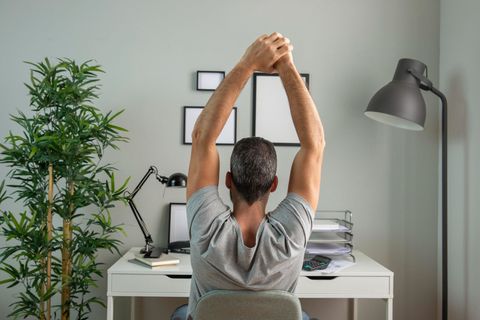
Office Cardio Exercises Guide for Active Workdays
This guide explores practical ways to add cardio at your desk, improve circulation, and maintain energy throughout your day—all while staying productive.
What Is Office Cardio and Why It Matters
Office cardio refers to light-to-moderate physical movements you can do during work hours. These movements are designed to elevate your heart rate slightly, even in a seated or limited-space environment.
Sitting for long periods may lead to stiffness, fatigue, and reduced focus. Adding office cardio workout routines into your day can help counter these effects. Even small bursts of movement can improve blood flow and help you feel more alert.
Unlike traditional workouts, cardio while sitting at desk is simple and flexible. It fits naturally into your daily routine without interrupting your workflow.
Benefits of Desk Cardio
Incorporating desk cardio into your routine offers several advantages:
- Helps reduce stiffness in muscles and joints
- Supports better posture and flexibility
- Keeps your energy levels more consistent
- Encourages short, healthy breaks throughout the day
- Promotes better focus and productivity
These benefits don’t require intense effort. Consistency matters more than intensity when it comes to office cardio.
Easy Office Cardio Exercises You Can Start Today
You don’t need to change your workspace dramatically to stay active. Many office cardio exercises can be done quietly and discreetly.
Seated Cardio Moves
These are ideal for cardio while sitting at desk and require minimal space:
- Seated leg lifts: Extend one leg at a time and hold briefly
- Marching in place: Lift your knees alternately while seated
- Toe taps: Tap your feet rapidly on the floor
- Seated jumping jacks: Move arms and legs outward and inward together
These exercises gently increase your heart rate without disrupting your work environment.
Standing Desk Cardio Options
If you have the option to stand, you can expand your routine:
- Calf raises: Lift your heels off the ground repeatedly
- Mini squats: Lower slightly and return to standing
- Side steps: Step side to side in a controlled rhythm
- Arm circles: Rotate your arms to engage upper body muscles
Standing movements can complement your seated exercises for a more balanced office cardio workout.
Quick Cardio Bursts Between Tasks
Short breaks are perfect for quick activity:
- Walk in place for 30–60 seconds
- Do a few jumping movements (if space allows)
- Stretch your arms and twist your torso gently
These small bursts of cardio at your desk can refresh your mind and body.
Structuring Your Office Cardio Workout
Creating a simple structure helps you stay consistent. You don’t need a strict routine—just a flexible plan that fits your schedule.
Sample Office Cardio Routine Table
| Time Interval | Activity Type | Example Exercise |
|---|---|---|
| Every 30 min | Light movement | Seated leg lifts |
| Mid-morning | Cardio burst | Marching in place |
| Lunch break | Extended movement | Walking or stretching |
| Afternoon | Standing exercises | Calf raises or mini squats |
| End of day | Relaxed movement | Gentle stretching |
This table shows how easy it is to integrate movement throughout your day without disrupting your workflow.
How Often Should You Move?
Aim to move every 30 to 60 minutes. Even one minute of activity can make a difference. The goal is to avoid staying still for long periods.
You can set reminders or use natural breaks, such as after finishing a task, to incorporate movement.
Combining Cardio with Daily Tasks
Office cardio doesn’t always need to be a separate activity. You can combine it with your routine:
- Take calls while standing or pacing
- Stretch while reading documents
- Do light movements during virtual meetings
This approach makes cardio at your desk feel effortless and natural.
Tips to Stay Consistent with Desk Cardio
Building a habit takes time, but small adjustments can make it easier to stay on track.
Make Movement a Routine
Consistency is key. Try to link exercises with daily habits. For example, do seated cardio exercises every time you check emails.
Keep It Simple
Avoid overcomplicating your routine. A few basic movements done regularly are more effective than an overly complex plan.
Listen to Your Body
Move at a comfortable pace. If something feels uncomfortable, adjust the movement or take a break. Office cardio should feel refreshing, not exhausting.
Stay Hydrated
Drinking water throughout the day supports your overall well-being and encourages you to stand up more often.
Create a Comfortable Workspace
A well-arranged desk can make movement easier. Ensure you have enough space to stretch your legs or stand briefly.
Common Mistakes to Avoid
While office cardio exercises are simple, a few common mistakes can reduce their effectiveness:
- Skipping breaks: Staying seated for hours without movement
- Overdoing it: Trying too many exercises at once
- Ignoring posture: Slouching while performing movements
- Inconsistency: Doing exercises only occasionally
Avoiding these habits can help you get more out of your routine.
Making Office Cardio Part of Your Lifestyle
The goal is not just to exercise occasionally but to build a sustainable habit. Office cardio should become a natural part of your daily routine.
Start small. Add one or two exercises and gradually expand your routine. Over time, these small efforts can lead to noticeable improvements in how you feel during the workday.
You don’t need a dedicated workout session to stay active. Even subtle movements throughout the day contribute to your overall activity level.
Conclusion
Office cardio exercises offer a practical way to stay active during busy workdays. Whether you choose seated movements or standing routines, the key is consistency.
Adding desk cardio into your daily schedule can help you feel more energized and focused. It doesn’t require special equipment or major changes—just a willingness to move regularly.
Start with simple exercises, take short breaks, and build a routine that works for you. Over time, these small steps can make your workday healthier and more balanced.