Office Mobility Drills: A Practical Guide for Daily Movement
This guide explores how small, intentional movements can help you stay active, comfortable, and focused throughout your workday.
Understanding Office Mobility Drills
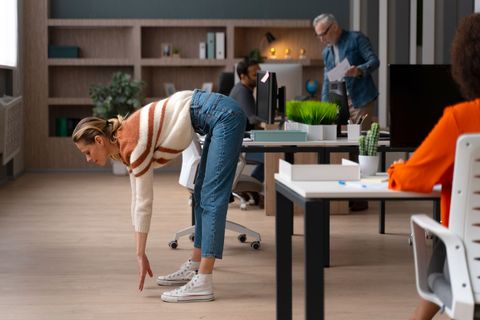
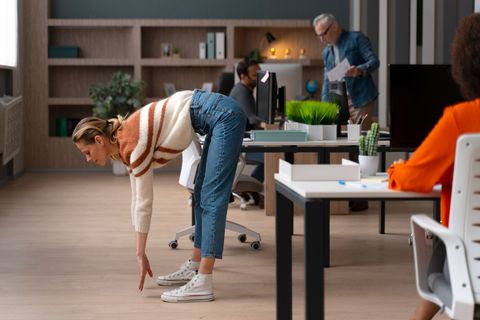
Office mobility drills are short, gentle exercises designed to improve flexibility, joint movement, and posture while working in a desk-based environment. They are not intense workouts. Instead, they focus on keeping your body moving in a natural and balanced way.
Unlike traditional exercise routines, these drills are quick and easy to perform. Most can be done right at your desk without special equipment.
Regular movement during the day can help reduce stiffness caused by prolonged sitting. It also encourages better posture and promotes overall physical awareness.
Why Mobility Matters in the Workplace
Sitting for extended periods can limit blood flow and reduce joint mobility. Over time, this may lead to discomfort or reduced range of motion.
Incorporating mobility drills into your daily routine helps maintain flexibility and encourages healthy movement patterns. Even a few minutes of activity every hour can make a noticeable difference.
Benefits of consistent mobility drills include:
- Improved posture and alignment
- Reduced muscle stiffness
- Better circulation
- Increased focus and energy levels
These benefits are based on general observations and may vary from person to person.
Common Office Mobility Drills
Office mobility drills are simple, but consistency is key. Below are some easy movements you can include in your daily schedule.
Neck and Shoulder Movements
The neck and shoulders often carry the most tension during desk work. Gentle movements can help release tightness.
Try these:
- Slowly tilt your head side to side
- Roll your shoulders forward and backward
- Gently turn your head from left to right
Perform each movement slowly and avoid forcing any stretch.
Upper Body and Spine Mobility
The upper back and spine can become stiff due to poor posture. These drills encourage natural movement.
- Seated spinal twists: Turn your upper body gently to each side
- Chest opening stretch: Clasp your hands behind your back and lift slightly
- Shoulder blade squeezes: Pull your shoulders back and hold briefly
These movements help counter the forward-leaning posture common in office settings.
Lower Body Activation
Even while seated, you can engage your lower body.
- Leg extensions: Straighten one leg at a time and hold
- Ankle rotations: Rotate your ankles in both directions
- Seated marches: Lift your knees one at a time
If possible, stand up occasionally and take short walks to add more movement.
Creating a Simple Daily Routine
Building a routine makes it easier to stay consistent. You do not need a strict schedule. Instead, aim to integrate movement naturally into your day.
Suggested Mobility Schedule
| Time of Day | Activity | Duration |
|---|---|---|
| Morning | Neck and shoulder rolls | 2–3 mins |
| Mid-morning | Seated spinal twists | 2 mins |
| Afternoon | Leg extensions and ankle rolls | 3 mins |
| Late afternoon | Chest opening stretch | 2 mins |
| End of workday | Full body light stretch | 5 mins |
This table is only a general example. You can adjust it based on your comfort and schedule.
How Often Should You Move?
A simple approach is to move every 30 to 60 minutes. Set reminders if needed. Even standing up briefly can be beneficial.
You do not need long sessions. Short and frequent movements are often more effective than occasional long stretches.
Tips for Staying Consistent
Consistency can be challenging, especially during busy workdays. However, small habits can make a big difference over time.
Make Movement a Habit
Link mobility drills to daily activities. For example:
- Stretch after checking emails
- Do shoulder rolls during short breaks
- Stand and move during phone calls
These small connections help build a routine without extra effort.
Listen to Your Body
Avoid pushing through discomfort. Mobility drills should feel gentle and controlled. If something feels uncomfortable, adjust the movement or skip it.
Everyone’s body responds differently, so it’s important to stay aware of your limits.
Keep It Simple
You do not need complicated exercises. Focus on basic movements that target common areas of tension.
Simple routines are easier to maintain and less likely to be skipped.
Common Mistakes to Avoid
While office mobility drills are simple, a few common mistakes can reduce their effectiveness.
Moving Too Quickly
Fast or jerky movements can lead to discomfort. Always move slowly and with control.
Skipping Warm-Up Awareness
Even light movement benefits from a moment of awareness. Take a breath and ease into each drill.
Inconsistency
Doing mobility drills occasionally may not provide noticeable benefits. Regular practice, even in short bursts, is more helpful.
Ignoring Posture
Mobility drills work best when combined with good posture. Pay attention to how you sit and position your screen, chair, and desk.
Integrating Mobility with Workspace Setup
Your workspace plays an important role in how your body feels throughout the day.
Adjust Your Chair and Desk
- Keep your feet flat on the floor
- Align your screen at eye level
- Maintain a neutral spine position
These adjustments support better posture and reduce strain.
Alternate Between Sitting and Standing
If possible, change your position during the day. Standing desks or simple standing breaks can add variety to your routine.
Keep Essentials Within Reach
Avoid overreaching or twisting frequently. Arrange your workspace to support natural movement.
Final Thoughts on Office Mobility Drills
Office mobility drills are a practical way to stay active during long work hours. They do not require special equipment or a major time commitment. Instead, they rely on small, consistent actions.
By adding simple movements to your daily routine, you can support better posture, reduce stiffness, and improve overall comfort. The key is consistency and awareness.
Start with a few basic drills and build from there. Over time, these small efforts can become a natural part of your workday.
Conclusion
Office mobility drills offer a simple and effective way to bring movement into a sedentary routine. They help maintain flexibility, encourage better posture, and support overall well-being.
You do not need a complex plan. Just a few minutes of movement throughout the day can make a difference. Focus on consistency, listen to your body, and keep your routine simple.
With time, these small habits can contribute to a more comfortable and balanced work experience.