Sitting Job Exercise Guide: Simple Stretches for Daily Comfort
This guide walks you through practical, easy-to-follow movements designed specifically for people with desk-based routines. Whether you’re working from home or in an office, these stretches fit seamlessly into your day.
Why Sitting Too Long Affects Your Body
Sitting for extended periods reduces blood flow and puts pressure on certain muscle groups. Over time, this can lead to tight hips, rounded shoulders, and a stiff neck. Many desk workers also experience reduced flexibility and posture issues.
Adding short bursts of movement helps counter these effects. Even a few minutes of sitting job exercise every hour can improve circulation and reduce tension.
Common Issues Faced by Desk Workers
- Neck stiffness from looking at screens
- Shoulder tightness from poor posture
- Lower back discomfort from prolonged sitting
- Reduced mobility in hips and legs
These are all manageable with consistent desk stretches for office workers.
Best Stretches for Desk Job Comfort
You don’t need special equipment or a lot of space. These movements are simple and effective, making them some of the best stretches for desk job routines.
Neck and Shoulder Relief
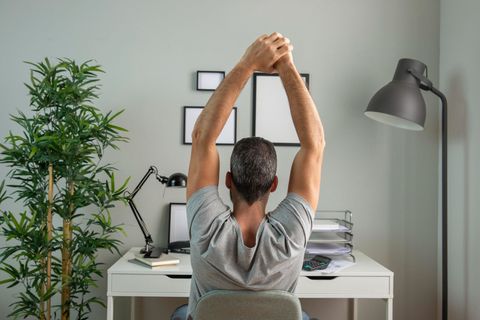
Neck and shoulders carry a lot of tension during work hours. Regular neck stretches for desk job setups can help release that pressure.
Try these:
- Neck Tilt: Gently tilt your head toward one shoulder. Hold for 10–15 seconds, then switch sides.
- Neck Rotation: Slowly turn your head from side to side. Keep the movement smooth.
- Shoulder Rolls: Roll your shoulders forward and backward in a circular motion.
These desk worker stretches help improve mobility and reduce stiffness caused by screen time.
Back Stretches for Desk Workers
Your back often takes the biggest hit from sitting all day. Adding back stretches for desk workers can ease tension and support better posture.
Effective options include:
- Seated Spinal Twist: Sit upright, twist your torso gently to one side, hold, then switch.
- Chair Back Stretch: Place your hands on your knees and round your back forward slightly.
- Standing Back Extension: Stand up, place hands on hips, and gently lean backward.
These movements encourage spinal flexibility and reduce pressure on your lower back.
Lower Body and Circulation Boost
Even though you’re sitting, your legs still need attention. Keeping them active improves blood flow and prevents stiffness.
Try these simple moves:
- Leg Extensions: Extend one leg straight out and hold for a few seconds.
- Ankle Rolls: Rotate your ankles in circles while seated.
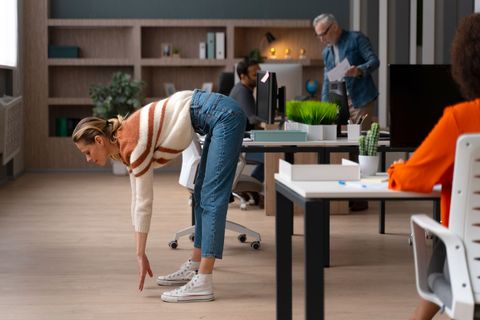
- Standing Hamstring Stretch: Stand up and gently reach toward your toes.
These sitting job exercise routines help keep your lower body engaged throughout the day.
How Often Should You Stretch at Work?
Consistency matters more than intensity. You don’t need long sessions to see benefits.
A Simple Daily Stretching Plan
| Time Interval | Activity Suggestion | Duration |
|---|---|---|
| Every 30–45 min | Stand up and move around | 1–2 min |
| Every 1–2 hours | Perform desk stretches | 3–5 min |
| Midday break | Do a full stretch routine | 5–10 min |
Following this pattern ensures your body stays active without interrupting your workflow.
Building a Habit That Sticks
Start small. Pick two or three stretches and repeat them daily. Over time, you can add more movements to your routine.
Helpful tips:
- Set reminders on your phone or computer
- Pair stretches with routine tasks (like after emails)
- Keep your movements gentle and controlled
The goal is to stay consistent, not perfect.
Tips to Maximize the Benefits of Desk Stretches
Stretching is most effective when combined with mindful habits. Small adjustments can amplify the results of your desk job stretches.
Improve Your Sitting Posture
Good posture reduces strain before it even starts.
- Keep your feet flat on the floor
- Sit with your back straight and supported
- Position your screen at eye level
This reduces the need for frequent correction later.
Stay Hydrated and Take Breaks
Water supports muscle function and overall comfort. Regular breaks also give your body a chance to reset.
Listen to Your Body
Avoid pushing into discomfort. Stretches should feel gentle and relieving, not painful.
If something feels off, skip that movement and try another. The best stretches for desk workers are the ones that feel natural and sustainable.
Combine Movement with Breathing
Deep breathing enhances relaxation and helps release muscle tension. Inhale slowly as you prepare for a stretch, and exhale as you move into it.
This simple addition can make your routine more effective.
Quick Stretch Routine for Busy Workdays
If your schedule is packed, this short routine covers all major areas:
- Neck tilt (both sides) – 20 seconds
- Shoulder rolls – 10 repetitions
- Seated spinal twist – 15 seconds each side
- Leg extensions – 10 repetitions each leg
- Standing stretch – 30 seconds
This routine takes less than five minutes and can be repeated twice a day.
Conclusion
Taking care of your body during work hours doesn’t require major changes. A few mindful movements can help reduce tension, improve posture, and keep you feeling more comfortable throughout the day.
Desk worker stretches are a simple yet powerful way to support your well-being. By adding short sessions of sitting job exercise into your routine, you can counter the effects of prolonged sitting without disrupting your workflow.
Start with a few stretches, stay consistent, and gradually build a routine that fits your day. Small steps can lead to noticeable improvements over time.