Stress Relief Exercises Guide for Daily Calm
Whether you’re dealing with work pressure, personal challenges, or just feeling overwhelmed, learning techniques to relieve stress can make a real difference. Let’s walk through practical ways to relax your body and mind.
Understanding Stress and Its Impact
Stress affects both your mental and physical health. It can lead to fatigue, irritability, and even difficulty concentrating. Over time, unmanaged stress may impact sleep patterns and overall well-being.
The good news is that small daily habits can help. Techniques for stress reduction don’t require special equipment or long hours. Even a few minutes of mindful activity can help reset your system.
Deep Breathing and Its Role in Stress Relief
Deep Breath Stress Relief Techniques
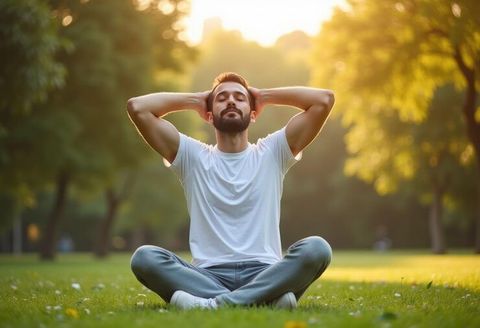
Deep breathing is one of the easiest and most effective ways to calm your mind. When you focus on your breath, your body shifts from a tense state to a more relaxed one.
Here’s a simple method for deep breathing exercises for stress relief:
- Sit comfortably with your back straight
- Inhale slowly through your nose for 4 seconds
- Hold your breath for 4 seconds
- Exhale gently through your mouth for 6 seconds
- Repeat for 5–10 minutes
This form of deep breathing for stress management helps reduce heart rate and promotes relaxation.
Benefits of Stress Relief Breathing Exercises
Stress relief breathing exercises offer several advantages:
- Help lower immediate anxiety levels
- Improve oxygen flow in the body
- Support better focus and clarity
- Encourage emotional balance
Practicing these exercises daily can gradually improve your ability to manage stress more effectively.
Physical Activities That Help Relieve Stress
Exercises to Relieve Stress and Anxiety
Movement is a powerful tool for stress relief. Physical activity releases endorphins, which are natural mood boosters.
Here are some effective exercises to relieve stress and anxiety:
- Walking: A simple walk outdoors can clear your mind
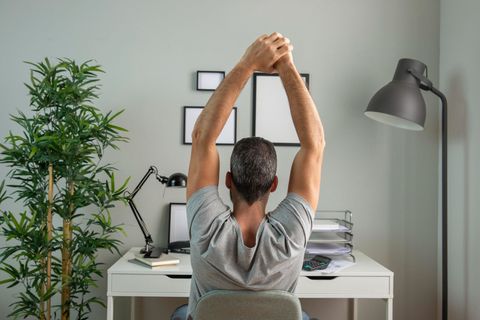
- Stretching: Gentle stretches release muscle tension
- Yoga: Combines movement with breathing for relaxation
- Dancing: A fun way to reduce stress and boost mood
You don’t need an intense workout. Even light activity can be beneficial when done consistently.
Comparing Common Stress Relieving Activities
Below is a simple table to help you choose activities based on your needs:
| Activity | Time Needed | Best For | Ease Level |
|---|---|---|---|
| Deep Breathing | 5–10 mins | Quick calm and focus | Very Easy |
| Walking | 15–30 mins | Mental clarity | Easy |
| Yoga | 20–40 mins | Mind-body relaxation | Moderate |
| Stretching | 10–15 mins | Muscle tension relief | Easy |
| Meditation | 10–20 mins | Emotional balance | Moderate |
This variety allows you to pick what suits your schedule and comfort level.
Mindful Practices for Stress Reduction
Techniques of Stress Management Through Mindfulness
Mindfulness means staying present in the moment. It helps reduce overthinking and worry about the future.
Simple mindful practices include:
- Paying attention to your surroundings
- Observing your thoughts without judgment
- Focusing on your breathing
These techniques of stress management can be practiced anytime, even during short breaks.
Daily Stress Relieving Activities
Adding small habits to your routine can improve your overall stress levels.
Consider these stress relieving activities:
- Journaling your thoughts at the end of the day
- Listening to calming music
- Spending time in nature
- Practicing gratitude
These activities help create a sense of calm and improve emotional resilience.
Practical Tips to Build a Stress-Free Routine
Techniques for Stress Reduction in Everyday Life
Consistency is key when it comes to managing stress. You don’t need drastic changes—small steps work best.
Here are some practical tips:
- Start your day with deep breathing for stress management
- Take short breaks during work
- Limit screen time before bed
- Stay hydrated and maintain a balanced diet
These habits support both mental and physical health.
Combining Different Stress Relief Exercises
Using a mix of techniques can be more effective than relying on just one method.
For example:
- Begin your day with deep breathing exercises for stress relief
- Add a short walk in the afternoon
- End your day with mindfulness or journaling
This balanced approach ensures that your body and mind get consistent support throughout the day.
Staying Consistent with Stress Management
Building a routine takes time. Start small and gradually increase your efforts.
Keep these points in mind:
- Choose activities you enjoy
- Set realistic goals
- Track your progress
- Be patient with yourself
Consistency matters more than perfection when it comes to stress management.
Conclusion
Managing stress doesn’t have to be complicated. With simple stress relief exercises and mindful habits, you can create a calmer and more balanced lifestyle. Techniques like deep breath stress relief, regular movement, and mindful practices can help you stay grounded even during busy days.
Focus on building a routine that works for you. By practicing these techniques to relieve stress regularly, you can improve your overall well-being and feel more in control of your daily life.