Break Time Stretching Guide for Daily Comfort
In this guide, you’ll learn why stretching during breaks matters, how to do it safely, and which stretches fit easily into your routine.
Why Break Time Stretching Matters
Modern routines often involve long periods of sitting—at desks, in cars, or in front of screens. Over time, this can lead to muscle tightness, reduced flexibility, and discomfort in areas like the neck, shoulders, and lower back.
Taking short breaks to stretch helps your body stay active. It encourages gentle movement, supports better posture, and gives your muscles a chance to relax.
Stretching during breaks can also support mental clarity. A quick pause to move your body may help you feel more refreshed and focused when you return to your tasks.
Understanding the Basics of Stretching
Before jumping into specific stretches, it helps to understand a few simple principles. These basics will make your break time stretching more effective and comfortable.
What Happens When You Stretch
Stretching gently lengthens your muscles and improves their flexibility over time. When done regularly, it can help maintain a natural range of motion in your joints.
It’s important to stretch slowly and avoid sudden movements. Your body responds better to controlled, steady motion rather than force.
When to Stretch During the Day
Break time stretching works best when done consistently. You don’t need a long session—just a few minutes every hour or two can make a difference.
Common times to stretch include:
- After sitting for 45–60 minutes
- Between tasks or meetings
- During screen breaks
- After repetitive movements
Listening to your body is key. If you feel stiffness or tension, it’s a good moment to stretch.
Simple Break Time Stretches You Can Try
You don’t need a gym or special setup to stretch. These simple movements can be done almost anywhere—at your desk, at home, or even while standing.
Neck and Shoulder Relief
Many people carry tension in the neck and shoulders, especially during screen use.
Try this:
- Sit or stand upright
- Slowly tilt your head toward one shoulder
- Hold for 10–15 seconds
- Switch sides
For shoulders:
- Roll your shoulders forward in a circular motion
- Repeat 8–10 times
- Then reverse the direction
These movements are gentle but can help ease tightness.
Back and Spine Movement
Your spine benefits from regular movement throughout the day.
A simple stretch:
- Sit tall in your chair
- Twist your upper body gently to one side
- Hold for a few seconds
- Repeat on the other side
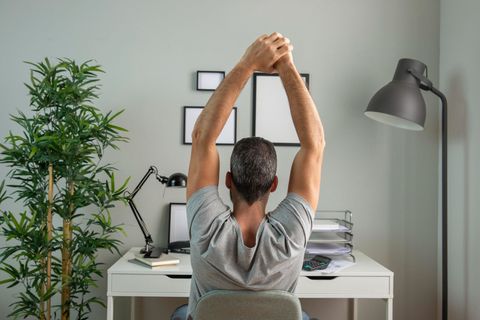
You can also stand and reach your arms overhead, stretching upward to lengthen your torso.
Wrist and Hand Stretching
If you type or use your phone often, your wrists and hands can become stiff.
Try this:
- Extend one arm forward
- Use the other hand to gently pull your fingers back
- Hold briefly
- Switch hands
This can help reduce tension from repetitive motions.
Sample Break Time Stretching Routine
Here’s a quick routine you can follow during a short break. It takes about 3–5 minutes and covers key areas of the body.
| Stretch Type | Duration | Area Targeted | Tip |
|---|---|---|---|
| Neck tilt | 10–15 sec/side | Neck | Keep movements slow |
| Shoulder rolls | 10 reps | Shoulders | Relax your arms |
| Seated twist | 10 sec/side | Upper back | Sit upright |
| Overhead reach | 15–20 sec | Spine & torso | Breathe deeply |
| Wrist stretch | 10 sec/side | Wrists & hands | Avoid pulling too hard |
This routine is flexible. You can adjust it based on your comfort and available time.
Common Mistakes to Avoid
Stretching is simple, but a few common mistakes can reduce its benefits or cause discomfort.
Stretching Too Quickly
Rushing through stretches can make them less effective. Slow, controlled movements allow your muscles to respond properly.
Pushing Too Far
Stretching should never feel painful. A gentle pull is normal, but sharp discomfort is a sign to ease off.
Holding Your Breath
Breathing plays an important role. Try to breathe steadily while stretching. This helps your body relax and improves the overall experience.
Making Stretching a Daily Habit
Consistency matters more than intensity. Even short stretching breaks can be helpful when done regularly.
Set Reminders
It’s easy to forget to move when you’re focused. Setting a timer or reminder every hour can help you stay on track.
Pair Stretching with Daily Tasks
Link stretching to habits you already have. For example:
- Stretch after finishing a task
- Move during water breaks
- Take a stretch pause before checking your phone
This makes it easier to build the habit naturally.
Keep It Simple
You don’t need a long routine. A few basic stretches done consistently can be more effective than occasional long sessions.
Benefits You May Notice Over Time
With regular break time stretching, many people report feeling less stiffness and more ease in their daily movements.
Some possible benefits include:
- Improved flexibility
- Reduced muscle tension
- Better posture awareness
- Increased comfort during long tasks
These changes usually happen gradually, so patience and consistency are key.
Adapting Stretching to Your Routine
Everyone’s day looks different, so your stretching routine should fit your lifestyle.
For Desk Workers
Focus on:
- Neck and shoulder stretches
- Wrist and hand movements
- Back twists and posture resets
Short, frequent breaks work well here.
For Active Jobs
If your work involves movement, your stretches might focus more on areas that feel overused, like legs or lower back.
For Remote or Home Settings
Take advantage of your space. You can include standing stretches or even short walks along with your routine.
Safety Tips to Keep in Mind
While stretching is generally safe, it’s important to stay mindful of your body.
- Avoid bouncing or jerky movements
- Stop if you feel pain
- Keep stretches gentle and controlled
- Stay hydrated throughout the day
If you have existing concerns about movement or discomfort, consider adjusting your routine accordingly.
Conclusion
Break time stretching is a simple yet effective way to support your body during a busy day. It doesn’t require much time, space, or effort—just a willingness to pause and move.
By adding a few stretches into your daily breaks, you can create moments of relief and reset. Over time, this small habit can make your day feel more comfortable and balanced.
Start with just a few minutes, stay consistent, and let your routine grow naturally.