Explore Cubicle Fitness Ideas for Daily Energy
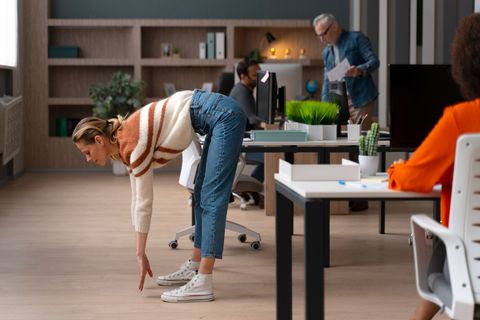
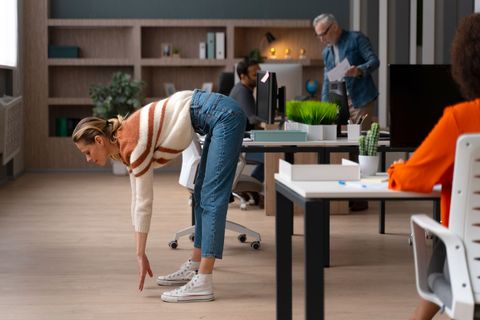
This guide walks you through practical cubicle fitness ideas that fit naturally into your workday. They are easy to follow, require little space, and help you stay refreshed without disrupting your routine.
Why Cubicle Fitness Matters
Modern work setups often involve long hours of sitting. While it may feel harmless, staying still for extended periods can impact posture, circulation, and overall comfort.
Adding light activity throughout your day can help:
- Improve blood flow and reduce stiffness
- Support better posture
- Boost focus and mental clarity
- Reduce the feeling of fatigue
Cubicle fitness is not about intense workouts. It’s about consistent, gentle movement that keeps your body engaged.
Simple Movements You Can Do at Your Desk
You don’t need special equipment or a large space to stay active. Many effective movements can be done right from your chair or standing beside your desk.
Here are a few easy options:
-
Seated leg raises
Sit upright and extend one leg straight out. Hold for a few seconds, then switch. This helps engage your core and legs. -
Shoulder rolls
Roll your shoulders forward and backward slowly. This relieves tension built from typing and screen time. -
Neck stretches
Gently tilt your head from side to side. Avoid sudden movements and keep it slow. -
Desk push-ups
Place your hands on the desk edge and step back slightly. Lower your chest toward the desk, then push back up. -
Ankle rotations
Lift one foot slightly and rotate your ankle in circles. Switch directions and repeat with the other foot.
These movements take less than a minute but can help break the cycle of stillness.
Building a Routine That Works
Consistency matters more than intensity. Instead of doing everything at once, spread movements throughout your day.
Here’s a simple approach:
| Time Interval | Activity Suggestion | Duration |
|---|---|---|
| Every 30 min | Stand or stretch lightly | 1–2 min |
| Every hour | Do 2–3 desk exercises | 3–5 min |
| Midday | Take a short walk | 5–10 min |
| Afternoon | Repeat stretches or posture check | 2–3 min |
This structure helps you stay active without interrupting your workflow. You can adjust it based on your schedule.
Posture: The Foundation of Cubicle Fitness
Movement is important, but posture plays an equally big role. Poor posture can lead to discomfort even if you’re doing exercises.
Keep these tips in mind:
- Sit with your back straight and supported
- Keep your feet flat on the floor
- Position your screen at eye level
- Relax your shoulders instead of hunching
Checking your posture regularly is a simple yet powerful habit.
Creative Ways to Stay Active at Work
Sometimes, small lifestyle changes can add more movement naturally into your day.
Consider these ideas:
- Use the stairs instead of elevators
- Stand during phone calls
- Walk while thinking or brainstorming
- Keep a water bottle at your desk (encourages you to get up more often)
These changes may seem minor, but they add up over time.
Staying Motivated Throughout the Day
It’s easy to forget movement when you’re focused on tasks. Building reminders can help you stay consistent.
Try these strategies:
- Set gentle reminders on your phone or computer
- Pair movements with habits (like stretching after emails)
- Keep a simple checklist for daily activity
Motivation doesn’t have to be complicated. A few cues can keep you on track.
Common Mistakes to Avoid
While cubicle fitness is simple, there are a few things to watch out for:
-
Overdoing it suddenly
Start slow and increase gradually. -
Ignoring discomfort
If something feels painful, stop and adjust. -
Forgetting hydration
Water supports overall well-being and movement. -
Staying seated too long
Even the best posture cannot replace regular movement.
Being mindful helps you get the most benefit without strain.
Tips for Making It a Habit
Turning cubicle fitness into a daily routine takes a little effort at first. Once it becomes part of your workflow, it feels natural.
Helpful tips:
- Start with just 2–3 exercises a day
- Keep movements simple and repeatable
- Focus on how you feel after moving
- Stay consistent rather than perfect
Small wins build lasting habits.
Conclusion
Cubicle fitness is about staying active in a practical and realistic way. You don’t need major changes to feel better during your workday. A few minutes of movement, better posture, and simple habits can support your overall comfort and focus.
The key is consistency. Start small, listen to your body, and build a routine that fits your daily schedule. Over time, these simple actions can help you feel more energized and balanced throughout the day.