Corporate Wellness Exercises: Practical Guide for Teams
This guide explores how workplace exercises can fit naturally into daily routines and why they matter more than ever in modern work culture.
Understanding Corporate Wellness Exercises
Corporate wellness exercises are short, structured physical or mental activities designed to be performed during work hours. They are easy to follow, require minimal space, and can be done individually or in groups.
These exercises focus on improving posture, reducing stress, and encouraging movement. Unlike traditional workouts, they are quick and practical, making them suitable for busy schedules.
Many organizations are gradually incorporating such practices into their routines. The goal is not intense fitness but consistent, manageable movement that supports long-term health.
Why Movement Matters in the Workplace
Most office roles involve prolonged sitting. Over time, this can lead to stiffness, reduced energy levels, and decreased focus. Small breaks with light exercises can help counter these effects.
Here’s what regular movement can support:
- Improved posture and reduced back strain
- Better blood circulation
- Enhanced mental clarity
- Reduced workplace fatigue
Even a few minutes of activity every hour can make a noticeable difference in how employees feel and perform.
Types of Corporate Wellness Exercises
There are various types of exercises that can be easily integrated into a workday. Each serves a different purpose, from physical relief to mental refreshment.
Desk-Based Exercises
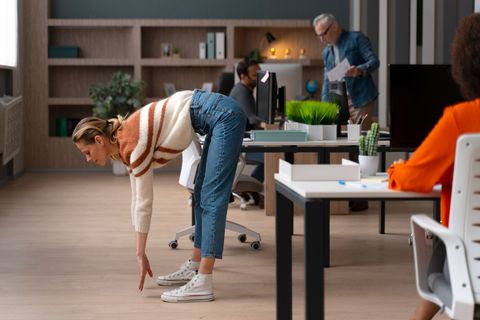
These exercises can be done while sitting or standing near your desk. They are ideal for quick breaks without disrupting workflow.
Examples include:
- Neck rolls to release tension
- Shoulder shrugs to reduce stiffness
- Wrist stretches for those using keyboards frequently
- Seated leg lifts to activate lower body muscles
These movements are subtle but effective in maintaining flexibility.
Stretching Routines
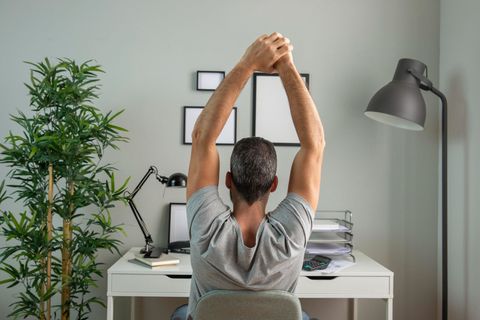
Stretching is one of the simplest ways to stay active at work. It helps loosen tight muscles and improves mobility.
Common stretches include:
- Hamstring stretches while seated
- Standing side stretches
- Arm extensions to open up the chest
Stretching can be done individually or as a short group activity during breaks.
Breathing and Relaxation Exercises
Mental well-being is just as important as physical health. Breathing exercises can help calm the mind and reduce stress.
Simple techniques include:
- Deep breathing for 2–3 minutes
- Slow inhale-exhale patterns
- Guided relaxation sessions
These exercises are especially useful during high-pressure work periods.
Light Movement Activities
Encouraging employees to move around periodically can break the monotony of sitting.
Examples:
- Short walks around the office
- Taking stairs instead of elevators
- Standing meetings
These small changes add up over time and promote a more active routine.
How to Introduce Wellness Exercises at Work
Introducing wellness exercises doesn’t require major changes. It starts with awareness and small steps.
Creating a Supportive Environment
A workplace that encourages movement makes it easier for employees to participate. This can include:
- Reminders for short breaks
- Flexible time for stretching or walking
- Open spaces for group activities
When leadership supports wellness initiatives, participation tends to increase naturally.
Scheduling Short Activity Breaks
Consistency matters more than intensity. Setting aside 5–10 minutes every few hours can help employees stay refreshed.
A simple schedule might look like this:
| Time of Day | Activity Type | Duration |
|---|---|---|
| Morning | Stretching | 5 minutes |
| Midday | Walking or movement | 10 minutes |
| Afternoon | Breathing exercises | 5 minutes |
This structure keeps activities balanced throughout the day.
Encouraging Team Participation
Group activities can make wellness exercises more engaging. They also promote team bonding.
Ideas include:
- Group stretching sessions
- Short wellness challenges
- Mindfulness breaks together
When done as a team, these activities feel less like a task and more like a shared experience.
Common Challenges and Simple Solutions
While the idea of workplace wellness is appealing, implementing it can come with challenges. Understanding these can help in finding practical solutions.
Limited Time
Many employees feel they don’t have enough time for exercises during work hours.
Solution:
Keep activities short and flexible. Even 2–3 minutes of movement can be beneficial.
Lack of Awareness
Some people may not realize the importance of regular movement.
Solution:
Share simple information about the benefits of staying active during the workday.
Space Constraints
Not all workplaces have large open areas for activities.
Solution:
Focus on desk-based or standing exercises that require minimal space.
Tips for Making Wellness Exercises a Habit
Consistency is key when it comes to any wellness activity. The goal is to make these exercises a natural part of the daily routine.
Start Small
Begin with simple exercises that are easy to follow. Avoid overwhelming routines.
Set Reminders
Use alarms or calendar notifications to prompt movement breaks.
Stay Flexible
Different people have different comfort levels. Allow flexibility in choosing activities.
Focus on Comfort
Exercises should feel comfortable and safe. Avoid anything that causes strain or discomfort.
Keep It Enjoyable
Adding a light, fun element can increase participation. Music, group interaction, or variety can make a difference.
The Role of Leadership in Workplace Wellness
Leadership plays an important role in shaping workplace habits. When managers actively participate in wellness exercises, it sets a positive example.
Support from leadership can include:
- Encouraging regular breaks
- Participating in group activities
- Promoting a balanced work culture
This creates an environment where employees feel comfortable taking time for their well-being.
Long-Term Impact of Corporate Wellness Exercises
While these exercises are simple, their long-term impact can be meaningful. Regular movement and relaxation practices contribute to a healthier and more balanced work environment.
Over time, organizations may notice:
- Improved employee engagement
- Better focus during work hours
- Reduced physical discomfort complaints
These outcomes develop gradually and depend on consistent participation.
Conclusion
Corporate wellness exercises are a practical way to bring balance into the workday. They don’t require special equipment or large time commitments. Instead, they focus on small, consistent actions that support both physical and mental well-being.
By encouraging simple movements, stretching, and relaxation techniques, workplaces can create a healthier environment for everyone. The key is to start small, stay consistent, and make wellness a natural part of daily routines.