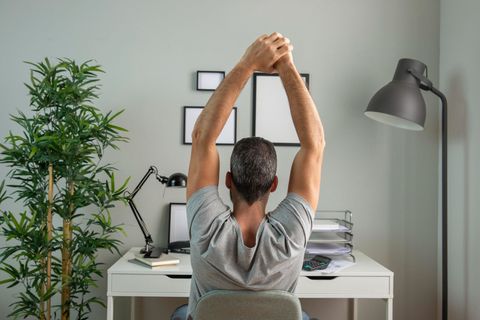
Mini Office Workouts: Practical Tips for Daily Energy
Whether you work from home or in a traditional office, adding movement to your routine can make a noticeable difference. This guide walks you through easy, effective ways to stay active during busy work hours.
Understanding Mini Office Workouts
Mini office workouts are short bursts of physical activity done during the workday. They usually last between 2 to 10 minutes and can be done right at your desk or in a small space nearby.
The idea is simple: instead of staying seated for hours, you break up your day with small movements. These movements help reduce stiffness, improve circulation, and keep your energy levels steady.
Unlike full workout sessions, these exercises are flexible. You can do them between meetings, during short breaks, or even while waiting for tasks to load on your computer.
Why They Matter in Daily Work Life
Long periods of sitting can lead to discomfort in the neck, back, and shoulders. Over time, it may also affect posture and reduce overall physical activity.
Mini workouts help counter these effects by:
- Encouraging better posture
- Reducing muscle stiffness
- Supporting steady energy levels
- Helping you stay mentally alert
They are especially useful for people who find it hard to dedicate time to longer workouts.
Simple Exercises You Can Do at Your Desk
You don’t need to leave your workspace to stay active. Many exercises can be done while seated or standing near your desk.
Quick Desk-Friendly Movements
These exercises are easy to follow and take only a few minutes:
-
Seated Leg Raises
Sit straight and lift one leg at a time. Hold for a few seconds, then switch. -
Shoulder Rolls
Roll your shoulders forward and backward slowly to release tension. -
Neck Stretches
Gently tilt your head side to side and hold each position briefly. -
Wrist and Finger Stretch
Extend your arms and stretch your fingers to reduce stiffness from typing. -
Seated Twists
Twist your torso gently from side to side while keeping your hips stable.
Standing Exercises Near Your Desk
If you have a bit more space, try these:
-
Wall Push-Ups
Stand facing a wall and perform push-ups using the wall for support. -
Desk Squats
Stand up and sit down slowly without using your hands. -
Calf Raises
Stand tall and lift your heels off the ground, then lower slowly. -
Marching in Place
Lift your knees one at a time as if marching.
These exercises are simple but effective when done regularly.
Building a Routine That Works
Consistency matters more than intensity when it comes to mini office workouts. The goal is to move often, not exhaust yourself.
Sample Mini Workout Schedule
Here’s a simple structure you can follow during a typical workday:
| Time Interval | Activity Suggestion | Duration |
|---|---|---|
| Morning Start | Light stretching | 3–5 min |
| Mid-Morning | Seated exercises | 5 min |
| Lunch Break | Short walk or standing moves | 5–10 min |
| Afternoon | Desk squats or wall push-ups | 5 min |
| Late Afternoon | Neck and shoulder stretches | 3–5 min |
This schedule is flexible. You can adjust it based on your workload and comfort level.
How Often Should You Move?
A good approach is to move every 45–60 minutes. Even standing up and stretching briefly can help.
If your schedule is tight, aim for at least 3–4 mini sessions during the day. Over time, this adds up and supports a more active lifestyle.
Staying Motivated and Consistent
Starting is easy, but staying consistent can be a challenge. A few simple strategies can help you stick with your routine.
Practical Tips to Stay on Track
-
Set reminders
Use alarms or apps to prompt you to move. -
Keep it simple
Choose exercises that are easy to remember and perform. -
Pair with daily habits
Do a quick stretch after finishing a task or before meetings. -
Listen to your body
Move at a comfortable pace and avoid overexertion. -
Create a comfortable space
Keep a small area around your desk clear for movement.
Making It a Natural Part of Your Day
Think of mini workouts as short refresh breaks rather than structured exercise sessions. This mindset makes them easier to maintain.
You don’t need to follow a strict plan every day. Even small efforts, done regularly, can make a difference over time.
Common Mistakes to Avoid
While mini office workouts are simple, a few common mistakes can reduce their effectiveness.
What to Watch Out For
-
Skipping warm-up movements
Start with gentle stretches to prepare your body. -
Poor posture during exercises
Focus on proper alignment to avoid discomfort. -
Doing too much at once
Keep sessions short and manageable. -
Ignoring discomfort
Stop any movement that causes pain. -
Being inconsistent
Regular movement matters more than occasional effort.
By avoiding these mistakes, you can make your routine safer and more effective.
Conclusion
Mini office workouts are a practical way to stay active during busy workdays. They don’t require extra time, equipment, or major changes to your routine.
By adding small movements throughout the day, you can reduce stiffness, stay energized, and support your overall well-being. The key is consistency and simplicity.
Start with a few basic exercises and gradually build a routine that fits your schedule. Over time, these small habits can become a natural and beneficial part of your daily work life.