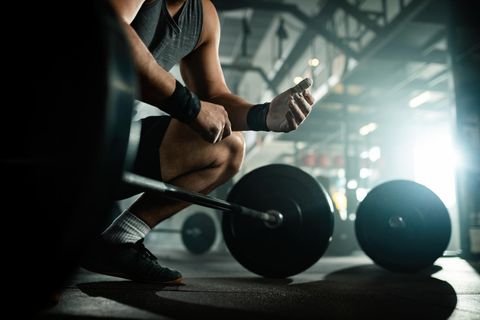
Olympic Weightlifting Basics: Learn Strength & Technique
This guide breaks down the essentials of olympic weightlifting in a simple, approachable way. You’ll learn about the key lifts, equipment, and techniques that form the foundation of this dynamic sport.
Understanding Olympic Weightlifting
Olympic weightlifting revolves around two main movements: the snatch and the clean and jerk. These are often referred to as olympic lifts, and they require a combination of strength, flexibility, and coordination.
Unlike general weight training, olympic weightlifting focuses on lifting a barbell from the ground to overhead in one or two smooth motions. The emphasis is not just on lifting heavy, but on doing so with proper form and speed.
The sport has a rich history and has been part of the Olympic Games for over a century. Athletes like Hidilyn Diaz, Karnam Malleswari, and Lu Xiaojun have inspired millions with their strength and discipline.
Key Equipment: Barbell and Weights
Before diving into technique, it’s important to understand the equipment used in olympic weightlifting.
A weightlifting barbell is designed specifically for these lifts. It is different from standard gym bars in terms of flexibility, rotation, and grip.
Here’s a quick comparison:
| Equipment Type | Description | Common Use |
|---|---|---|
| Olympic barbell weight | Typically 20 kg for men, 15 kg for women | Competitive lifting |
| Standard gym bar | Varies in weight and quality | General fitness |
| Lifting bar and weights | Includes barbell plus weight plates | Training and progression |
| Weight lifting bar | General term for barbells used in workouts | Mixed exercises |
The olympic barbell weight is standardized in competitions, ensuring fairness and consistency. It also has rotating sleeves, which help reduce strain on the wrists during fast movements.
The Two Core Olympic Lifts
Understanding the two main olympic lifts is essential for anyone starting out.
1. The Snatch
The snatch is a single, continuous movement where you lift the barbell from the ground to overhead in one motion.
It requires:
- Speed and explosiveness
- Strong core stability
- Excellent balance
The lift begins with the bar on the floor. You pull it upward and quickly drop under it, catching it overhead in a squat position before standing up.
2. The Clean and Jerk
This lift is performed in two stages:
- Clean: Lift the bar from the ground to your shoulders
- Jerk: Push the bar from shoulders to overhead
The clean and jerk allows you to lift heavier weights compared to the snatch because the movement is split into two phases.
Both lifts demand coordination between the upper and lower body, making them highly effective for full-body strength development.
Technique and Form Essentials
Proper technique is the backbone of safe and effective olympic weightlifting. Without it, the risk of injury increases, and progress slows down.
Here are some key principles:
Body Positioning
Your starting stance should be stable and balanced. Keep your feet shoulder-width apart and your back straight. The bar should be close to your body throughout the lift.
Grip and Control
A secure grip on the weightlifting barbell is essential. Many lifters use the hook grip, where the thumb is wrapped under the fingers for added security.
Explosive Movement
Olympic lifts rely on powerful hip extension. This means driving through your legs and hips to generate upward momentum for the bar.
Timing and Coordination
The transition from pulling the bar to catching it is crucial. Good timing ensures efficiency and reduces wasted energy.
Benefits of Olympic Weightlifting
Olympic weightlifting offers a wide range of physical and mental benefits.
- Improves overall strength and power
- Enhances coordination and balance
- Builds muscle efficiently
- Supports athletic performance in other sports
- Develops discipline and focus
Because the movements are dynamic, they also help improve reaction time and body awareness.
Common Mistakes Beginners Make
Starting out can be challenging, and many beginners face similar issues.
Lifting Too Heavy Too Soon
It’s tempting to increase weight quickly, but this often leads to poor form. Focus on mastering technique before adding more plates.
Ignoring Mobility
Flexibility in the hips, ankles, and shoulders is essential. Limited mobility can restrict your range of motion and affect performance.
Poor Bar Path
The bar should travel in a straight, controlled path. Swinging it away from the body reduces efficiency and increases strain.
Skipping Warm-Ups
A proper warm-up prepares your muscles and joints for intense movement. Skipping it can lead to injuries.
Training Tips for Progress
If you want to improve as an oly lifter, consistency and smart training are key.
Start with Basics
Practice foundational movements like squats, deadlifts, and presses. These build the strength needed for olympic lifts.
Use Light Weights First
Begin with an empty weight lifting bar or light plates. Focus on form and gradually increase the load.
Break Down the Lifts
Train individual components such as:
- Pulls
- Front squats
- Overhead holds
This helps you refine each part of the movement.
Record Your Lifts
Watching your own technique can reveal small mistakes you might not feel during the lift.
Stay Patient
Progress in olympic weightlifting takes time. Small improvements add up over weeks and months.
Safety Considerations
Safety should always be a priority when working with a lifting bar and weights.
- Use proper footwear with a stable base
- Lift in a controlled environment
- Avoid distractions during lifts
- Stop immediately if you feel pain
If possible, learning under supervision or guidance can help you build correct habits early on.
The Role of Consistency and Mindset
Olympic weightlifting is as much mental as it is physical. Staying focused and committed plays a big role in long-term success.
Set realistic goals and track your progress. Celebrate small milestones, whether it’s improving your technique or adding a little more weight to the bar.
Athletes like Hidilyn Diaz and Lu Xiaojun didn’t achieve success overnight. Their journeys highlight the importance of persistence and dedication.
Conclusion
Olympic weightlifting is a powerful and rewarding discipline that combines strength, technique, and focus. By understanding the basics of the olympic barbell weight, mastering the two main olympic lifts, and practicing proper form, you can build a strong foundation.
Start slow, stay consistent, and prioritize technique over heavy lifting. Over time, you’ll see improvements not just in strength, but in confidence and overall fitness.
Whether you’re training for sport or personal growth, olympic weightlifting offers a structured and effective way to challenge your body and mind.