Gym-Based Fat Loss Training Guide for Beginners
This guide breaks things down into easy steps. You’ll learn how to structure workouts, choose the right exercises, and build a routine that supports fat loss without feeling overwhelming.
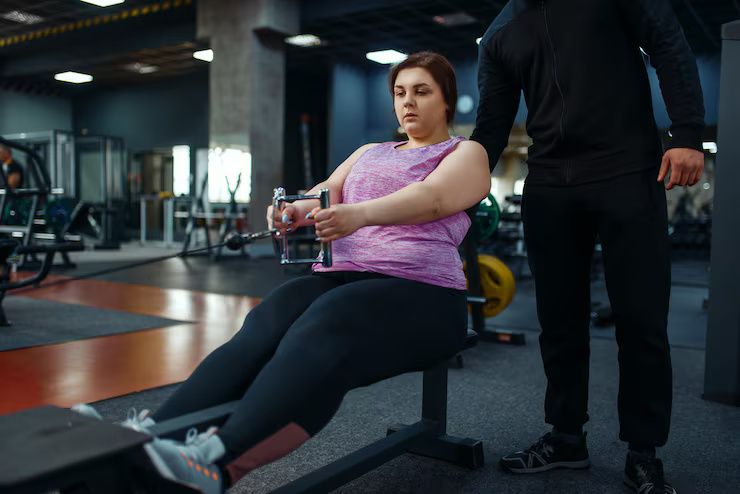
Understanding the Best Approach to Fat Loss
Fat loss is not about doing endless cardio or lifting the heaviest weights. It’s about creating a balance between strength training, cardio, and recovery. The best work out for fat loss combines these elements in a practical way.
When you exercise, your body burns calories. Strength training helps build muscle, which can support metabolism. Cardio helps increase overall calorie burn. Together, they create a strong foundation for sustainable results.
A well-planned weight loss gym work out focuses on:
- Full-body movements
- Consistency over intensity
- Gradual progression
- Proper rest and recovery
Building a Gym Workout for Weight Loss
A balanced routine is key if you’re looking for the best gym work out for weight loss. You don’t need to spend hours in the gym. Even 45–60 minutes per session can be effective when done correctly.
Weekly Workout Structure
Here’s a simple weekly plan to follow:
| Day | Workout Type |
|---|---|
| Monday | Full-body strength training |
| Tuesday | Cardio + core |
| Wednesday | Rest or light activity |
| Thursday | Upper body strength |
| Friday | Lower body strength |
| Saturday | Cardio + flexibility |
| Sunday | Rest |
This structure allows your body to recover while still staying active.
Strength Training for Fat Loss
Many beginners overlook weight lifting, but it’s essential. Weight lifting for weight loss beginners helps preserve muscle while reducing body fat.
Focus on compound exercises. These work multiple muscle groups at once and burn more energy.
Examples include:
- Squats
- Deadlifts
- Bench press
- Rows
- Lunges
For beginners, start with lighter weights and proper form. Gradually increase intensity as you get stronger.
If you’re exploring weight lifting for beginners female weight loss, the same principles apply. Strength training is equally effective for all genders and supports overall fitness.
Cardio Training for Fat Loss
Cardio is often considered the best work out for weight loss, and it does play an important role. However, it works best when combined with strength training.
Effective cardio options include:
- Brisk walking on a treadmill
- Cycling
- Rowing
- Elliptical workouts
You can also try interval training, where you alternate between high and low intensity. This keeps workouts engaging and efficient.
Common Questions About Fat Loss Workouts
How Often Should You Work Out?
For most beginners, 4–5 days per week is enough. This allows you to stay consistent without overtraining.
Short, focused sessions are better than long, exhausting ones. The goal is to build a habit you can maintain.
What Is the Best Workout Split?
There is no single “perfect” routine. The best weight loss work out is the one you can stick to.
Some popular options include:
- Full-body workouts 3 times per week
- Upper/lower split
- Push-pull-legs routine
Choose a structure that fits your schedule and energy levels.
Do You Need Heavy Weights?
Not at all. Weight lifting for weight loss for beginners should focus on control and technique first.
Start with manageable weights and aim for:
- 8–12 repetitions per set
- 2–3 sets per exercise
Over time, you can increase weight or repetitions gradually.
Creating the Best Workouts for Weight Loss
To get the most from your routine, keep things simple and structured. The best work outs for weight loss are built around consistency and variety.
Sample Full-Body Workout
Here’s an example you can follow:
- Squats – 3 sets
- Push-ups or bench press – 3 sets
- Dumbbell rows – 3 sets
- Lunges – 2 sets
- Plank – 30–60 seconds
Finish with 10–15 minutes of light cardio.
Tips for Better Results
Small changes can make a big difference over time.
- Focus on form before increasing weight
- Stay hydrated during workouts
- Keep rest periods between 30–90 seconds
- Track your progress weekly
- Listen to your body and avoid overtraining
Consistency matters more than perfection.
Mistakes to Avoid
Many beginners fall into common traps when starting a weight loss gym work out.
Avoid these:
- Doing only cardio and skipping strength training
- Changing routines too often
- Expecting quick results
- Ignoring rest days
Progress takes time, and steady effort leads to better long-term outcomes.
Lifestyle Factors That Support Fat Loss
Exercise is only one part of the equation. Your daily habits also play a major role.
Nutrition Basics
You don’t need strict diets. Focus on balanced meals that include:
- Protein-rich foods
- Whole grains
- Fruits and vegetables
- Healthy fats
Eating mindfully can support your workout efforts.
Sleep and Recovery
Sleep is often overlooked but very important. Poor sleep can affect energy levels and workout performance.
Aim for 7–8 hours of sleep each night. This helps your body recover and stay consistent.
Staying Motivated
Motivation can fluctuate, but habits keep you going.
- Set realistic goals
- Celebrate small progress
- Keep your routine simple
- Find workouts you enjoy
A sustainable approach is more effective than extreme routines.
Conclusion
A successful gym work out for weight loss doesn’t need to be complicated. By combining strength training, cardio, and consistent effort, you can build a routine that supports fat loss over time.
Focus on gradual improvement rather than quick changes. The best work out for fat loss is one that fits your lifestyle and keeps you motivated.
Start simple, stay consistent, and adjust your routine as you progress. Small steps taken regularly can lead to meaningful results.