Functional Strength Exercises: A Complete Guide
In this guide, you’ll learn how functional strength exercises work, why they matter, and how to build a functional strength training program that fits your routine.
What Is Functional Strength Training?
Functional strength training focuses on movements that mimic real-world actions. Instead of isolating one muscle group, it trains multiple muscles to work together. This improves coordination, balance, and overall strength.
Unlike traditional gym workouts, functional strength exercises involve compound movements. These include squats, lunges, pushes, and pulls. The goal is to build strength that you can actually use in daily life.
A functional strength workout often includes bodyweight exercises, free weights, and tools like resistance bands or kettlebells. Many people also use a functional trainer home gym setup for added versatility.
Why Functional Strength Matters
Functional strength training helps improve how your body moves as a whole. It’s not just about appearance—it’s about performance and injury prevention.
Here’s why it matters:
- Enhances balance and coordination
- Improves posture and mobility
- Builds strength for everyday tasks
- Reduces risk of common injuries
- Supports long-term fitness goals
This type of training is suitable for beginners and experienced individuals alike. It can be adapted to different fitness levels without complex equipment.
Key Components of Functional Strength Exercises
Functional strength exercises are built around natural movement patterns. These movements train multiple muscle groups at once, making workouts more efficient.
Common Movement Patterns
A well-rounded functional strength training program includes the following:
| Movement Pattern | Example Exercise | Benefit |
|---|---|---|
| Squat | Bodyweight squat | Strengthens legs and core |
| Hinge | Deadlift | Builds posterior chain strength |
| Push | Push-ups | Improves upper body strength |
| Pull | Rows | Enhances back and arm strength |
| Carry | Farmer’s carry | Boosts grip and stability |
| Rotate | Russian twists | Develops core control |
These movements form the foundation of any functional strength workout.
Equipment Options
You don’t need a complex setup to get started. However, certain tools can make your workouts more effective.
Common options include:
- Dumbbells and kettlebells
- Resistance bands
- Stability balls
- Functional trainer for home gym setups
A functional trainer home gym is especially useful because it allows a wide range of cable-based movements. This adds variety and helps target muscles from different angles.
Effective Functional Strength Training Exercises
Now let’s look at some practical functional strength training exercises you can include in your routine. These are simple, effective, and adaptable.
Lower Body Exercises
Lower body strength is essential for stability and movement.
- Squats: Build strength in legs and core
- Lunges: Improve balance and coordination
- Step-ups: Mimic real-life climbing movements
Upper Body Exercises
Upper body movements help with pushing, pulling, and lifting tasks.
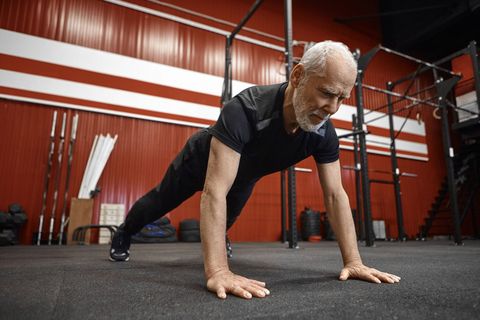
- Push-ups: Strengthen chest, shoulders, and arms
- Rows: Target the back and improve posture
- Overhead press: Build shoulder stability
Core-Focused Exercises
Core strength supports almost every movement.
- Plank: Improves stability and endurance
- Dead bug: Enhances coordination
- Russian twists: Develop rotational strength
These exercises can be combined into a functional workout routine that targets the entire body.
Building a Functional Strength Training Program
Creating a structured functional strength program doesn’t have to be complicated. The key is consistency and balance.
Weekly Workout Structure
A simple plan could look like this:
- Day 1: Full-body functional strength workout
- Day 2: Rest or light activity
- Day 3: Lower body focus
- Day 4: Upper body focus
- Day 5: Core and mobility
- Day 6: Active recovery
- Day 7: Rest
This schedule allows your body to recover while maintaining progress.
Reps and Sets
For most functional strength exercises:
- 8–12 reps per set
- 2–4 sets per exercise
- Rest 30–60 seconds between sets
Adjust based on your fitness level and goals.
Progression Tips
To keep improving:
- Increase resistance gradually
- Add more complex movements
- Improve form and control
- Reduce rest time slightly
Progression should feel challenging but manageable. Avoid pushing too hard too quickly.
Functional Workout Routine Example
Here’s a simple functional workout routine you can try:
Warm-Up (5–10 minutes)
Light cardio and dynamic stretching
Main Workout:
- Squats – 3 sets of 10 reps
- Push-ups – 3 sets of 8–12 reps
- Dumbbell rows – 3 sets of 10 reps
- Lunges – 3 sets of 10 reps per leg
- Plank – 3 sets of 30 seconds
Cool Down:
Stretching and breathing exercises
This routine covers major movement patterns and can be done at home or in a gym.
Tips for Better Results
Functional strength training is most effective when done with proper technique and consistency.
Focus on Form
Good form is more important than lifting heavy weights. Controlled movements reduce injury risk and improve results.
Stay Consistent
Consistency matters more than intensity. A regular functional strength training program delivers better long-term outcomes.
Mix It Up
Avoid doing the same routine every day. Changing exercises keeps your body challenged and prevents boredom.
Listen to Your Body
Rest when needed. Recovery is a key part of any functional strength program.
Common Mistakes to Avoid
Even simple workouts can go wrong if not done properly.
- Skipping warm-ups
- Using improper form
- Ignoring core engagement
- Overtraining without rest
- Focusing only on one muscle group
Avoiding these mistakes helps you get the most out of your functional strength workout.
Who Can Benefit from Functional Strength Training?
Functional strength training is suitable for almost everyone.
- Beginners looking for simple workouts
- Athletes aiming to improve performance
- Older adults focusing on mobility
- Individuals recovering from minor injuries (with guidance)
It’s flexible and adaptable, making it accessible to different fitness levels.
Conclusion
Functional strength exercises offer a practical way to improve your overall fitness. They focus on real-life movements, helping your body become stronger, more balanced, and more efficient.
By following a structured functional strength training program, you can build strength that supports everyday activities. Start with basic movements, stay consistent, and gradually progress over time.
A well-planned functional workout routine doesn’t require complicated equipment. Whether you use bodyweight exercises or a functional trainer for home gym setups, the key is to stay active and mindful of your movements.