Strength Training at Home: A Complete Guide
This guide walks you through the basics, effective methods, and practical tips to make your at home strength workout both efficient and sustainable.
Understanding Strength Training at Home
Strength training focuses on improving muscle strength, endurance, and overall fitness. At home, this can be done using body weight training exercises, resistance bands, or dumbbells.
Unlike cardio, which targets heart health, strength training exercises at home help build lean muscle, improve posture, and support daily movements. It also contributes to better metabolism and long-term physical resilience.
You don’t need a complex setup. A small space and a consistent routine are enough to get started.
Benefits of Resistance Training at Home
Resistance training at home has several practical advantages:
- Convenience: No commute or waiting for equipment
- Flexibility: Work out anytime that fits your schedule
- Comfort: Exercise in a familiar environment
- Adaptability: Easily modify exercises to match your fitness level
It also allows you to focus on form and pace without distractions, which is especially helpful for beginners.
Types of Strength Training Workouts at Home
There are multiple ways to approach strength training workouts at home. Choosing the right type depends on your goals, available equipment, and experience level.
Body Weight Training Exercises
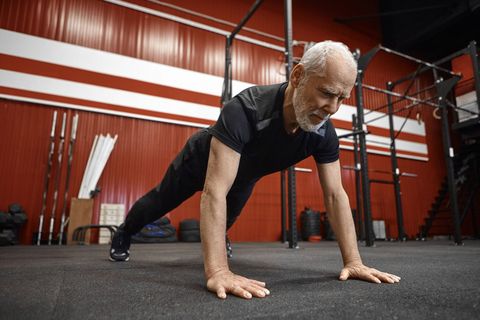
Body weight training exercises use your own body as resistance. These are ideal for beginners and require no equipment.
Common exercises include:
- Push-ups
- Squats
- Lunges
- Planks
- Glute bridges
These movements target multiple muscle groups and help build a solid foundation. They also improve balance and coordination.
Dumbbell Workouts at Home
If you have access to weights, dumbbell workouts at home can increase intensity and variety. Dumbbells are versatile and easy to store.
Popular dumbbells workouts include:
- Dumbbell squats
- Shoulder presses
- Bent-over rows
- Bicep curls
- Tricep extensions
Start with lighter weights and gradually increase as your strength improves. Proper form is more important than lifting heavy.
Resistance Training Exercises at Home
Resistance bands are another excellent option for resistance training exercises at home. They are lightweight, portable, and suitable for all fitness levels.
You can use them for:
- Assisted pull-ups
- Resistance band rows
- Leg presses
- Chest presses
- Lateral raises
Bands create constant tension, which helps activate muscles more effectively during movements.
Creating an Effective At Home Strength Workout
Designing a balanced routine is key to making progress. A good workout plan targets all major muscle groups and allows time for recovery.
Sample Weekly Structure
Here’s a simple structure for strength exercises at home:
| Day | Focus Area | Example Exercises |
|---|---|---|
| Monday | Upper Body | Push-ups, rows, shoulder press |
| Tuesday | Lower Body | Squats, lunges, glute bridges |
| Wednesday | Rest or Light Activity | Stretching, walking |
| Thursday | Full Body | Combination of upper and lower |
| Friday | Core & Stability | Planks, leg raises, mountain climbers |
| Saturday | Optional Workout | Light resistance or mobility |
| Sunday | Rest | Recovery |
This schedule keeps your workouts balanced while giving your muscles time to recover.
Key Principles to Follow
To get the most out of your strength training at home, keep these principles in mind:
- Consistency matters more than intensity
- Focus on proper form to prevent injury
- Gradually increase resistance or repetitions
- Allow rest days for muscle recovery
Small improvements over time lead to lasting results.
Common Mistakes to Avoid
When doing resistance training at home, certain mistakes can slow your progress or lead to discomfort.
Skipping Warm-Ups
Jumping straight into exercises can strain your muscles. Always start with a short warm-up like light stretching or simple movements.
Ignoring Form
Incorrect posture reduces effectiveness and increases the risk of injury. Perform each movement slowly and with control.
Doing Too Much Too Soon
It’s tempting to push hard at the beginning. However, overtraining can lead to fatigue. Start with manageable sessions and build gradually.
Lack of Routine
Random workouts make it harder to track progress. Following a structured plan helps maintain consistency and motivation.
Tips to Stay Motivated
Staying consistent with strength training workouts at home can be challenging, especially without external accountability.
Set Realistic Goals
Instead of aiming for quick results, focus on small, achievable milestones. This keeps you motivated over time.
Track Your Progress
Keep a simple record of your workouts. Note the number of repetitions, sets, or weights used. Seeing improvement can be encouraging.
Create a Dedicated Space
Even a small corner for exercise can help you stay focused. A consistent environment builds a routine.
Mix Up Your Routine
Repeating the same exercises can become monotonous. Try new variations or alternate between body weight training exercises and dumbbell workouts at home.
Building a Sustainable Habit
Turning strength training into a habit requires patience and consistency. Start with short sessions, even 20–30 minutes, and gradually extend as you become more comfortable.
Pair your workouts with a balanced lifestyle that includes proper hydration, rest, and mindful eating. These factors support your overall fitness journey.
Remember, progress takes time. What matters most is showing up regularly and putting in steady effort.
Conclusion
Strength training at home is a practical and effective way to improve your fitness. With options like body weight training exercises, resistance training at home, and dumbbell workouts at home, you can build strength without stepping outside.
Focus on consistency, proper form, and gradual progress. Create a routine that fits your lifestyle and keeps you engaged. Over time, these small steps can lead to noticeable improvements in strength and overall well-being.